
Rubber plugs are ubiquitous in our daily lives, serving crucial roles in a wide array of industries and applications. From sealing leaks in plumbing systems to preventing fluid leaks in automotive engines, these simple yet effective devices owe their unique properties to the intricate science of polymer physics and chemistry. To fully grasp the elasticity of rubber plugs, it is imperative to delve deep into the molecular structure and behavior of rubber, as well as the various factors that influence its elastic characteristics.
Understanding the Molecular Structure of Rubber
At its core, rubber is an elastic polymer, composed of long chains of molecules known as macromolecules. These chains are incredibly flexible, allowing them to stretch and return to their original shape when a force is applied and released. In natural rubber, these chains are primarily made up of polyisoprene, a compound derived from the sap of rubber trees. However, in synthetic rubbers, equivalent compounds like styrene-butadiene rubber (SBR) are used to create similar elastic properties.
The elasticity of rubber is primarily attributed to the flexibility of these polymer chains. Unlike rigid materials like metals or ceramics, rubber's polymer chains are not covalently bonded in a fixed, rigid lattice. Instead, they are held together by relatively weak intermolecular forces, such as van der Waals forces, which allow the chains to move freely and slide past each other when a force is applied. This freedom of movement is crucial for rubber's elastic behavior.
Exploring the Elastic Behavior of Rubber
When a rubber plug is stretched, several processes occur at the molecular level that contribute to its elastic properties. First, the long polymer chains extend, aligning more linearly with the direction of the stretching force. This chain extension allows the rubber to deform and stretch without breaking.
Simultaneously, the weak van der Waals forces between the polymer chains allow them to slide past each other with minimal resistance. This sliding motion is essential for rubber's ability to stretch and conform to different shapes and sizes. Without these weak intermolecular forces, the chains would be too rigidly bonded to stretch and recover effectively.
Upon release of the stretching force, the rubber plug undergoes elastic recovery. The van der Waals forces between the chains cause the chains to recoil back to their original, coiled state. This recoil is rapid and efficient, allowing the rubber plug to maintain its shape and integrity even after significant deformation.
Temperature's Influence on Rubber Elasticity
While rubber's elastic properties are remarkable, they are not immune to environmental factors. One such factor is temperature, which has a significant impact on rubber's elasticity.
At higher temperatures, the kinetic energy of the polymer chains increases, making them more mobile and less responsive to external forces. This increased mobility can lead to a reduction in rubber's elasticity, as the chains are more likely to move out of alignment and lose their coiled structure.
Conversely, at lower temperatures, the kinetic energy of the chains decreases, making them less mobile and more prone to maintaining their stretched form. This can also reduce rubber's elasticity, as the chains are less able to recoil back to their original shape after stretching.
The Role of Cross-linking in Enhancing Rubber Elasticity
In practical applications, rubber often undergoes a process called vulcanization, which involves cross-linking the polymer chains with sulfur atoms. This process creates a three-dimensional network of chains that are covalently bonded to each other, significantly enhancing the material's strength and elasticity.
Cross-linking ensures that the rubber can withstand greater deformation without permanent damage. By creating a stronger, more interconnected network of chains, vulcanization increases rubber's resistance to tearing and wear, making it more durable and reliable in various applications.
Applications of Rubber Plugs in Various Industries
Rubber plugs leverage their unique elastic properties to create effective seals and barriers in a wide range of industries. Their ability to conform to different shapes and sizes makes them ideal for use in plumbing, automotive, and industrial applications.
In plumbing systems, rubber plugs are often used to seal leaks and prevent water from escaping. Their elasticity allows them to fit tightly around pipes and fittings, creating a watertight seal that can withstand varying pressure conditions.
In the automotive industry, rubber plugs play a crucial role in preventing fluid leaks from engines and other critical components. They are designed to fit securely into holes and openings, creating a barrier that prevents oil, gas, and other fluids from escaping and causing damage.
In industrial applications, rubber plugs are used for a variety of sealing and barrier purposes. From preventing dust and debris from entering machinery to sealing off hazardous chemicals, rubber plugs provide a reliable and effective solution for a wide range of sealing needs.
The Importance of Understanding Rubber Plug Elasticity
Understanding the scientific foundations of rubber plug elasticity is crucial for designing and utilizing these devices effectively across various industries. By recognizing the role of polymer chemistry, molecular structure, and environmental factors in determining rubber's elastic properties, engineers and designers can develop rubber plugs that are tailored to specific applications and conditions.
For example, in high-pressure environments, rubber plugs may need to be reinforced with additional materials or treated with special chemicals to enhance their elasticity and durability. Similarly, in temperature-extreme environments, rubber plugs may need to be formulated with special polymers that maintain their elastic properties across a wider range of temperatures.
Furthermore, understanding rubber plug elasticity can help prevent failures and improve safety in various applications. By selecting the right rubber plug for the specific application and conditions, engineers can ensure that the device will perform reliably and maintain its integrity even under harsh conditions.
The elasticity of rubber plugs is a fascinating and complex phenomenon that is governed by the intricate interplay between the molecular structure of polymers and the physical principles governing their behavior. By delving into the science behind rubber's elastic properties, we can gain a deeper understanding of how these devices work and how they can be optimized for various applications.
Understanding rubber plug elasticity not only helps us design and utilize these devices more effectively but also ensures their reliability and safety in a wide range of industries. As we continue to explore the potential of rubber and other polymer-based materials, the science behind their elastic properties will play an increasingly important role in driving innovation and improving our daily lives.
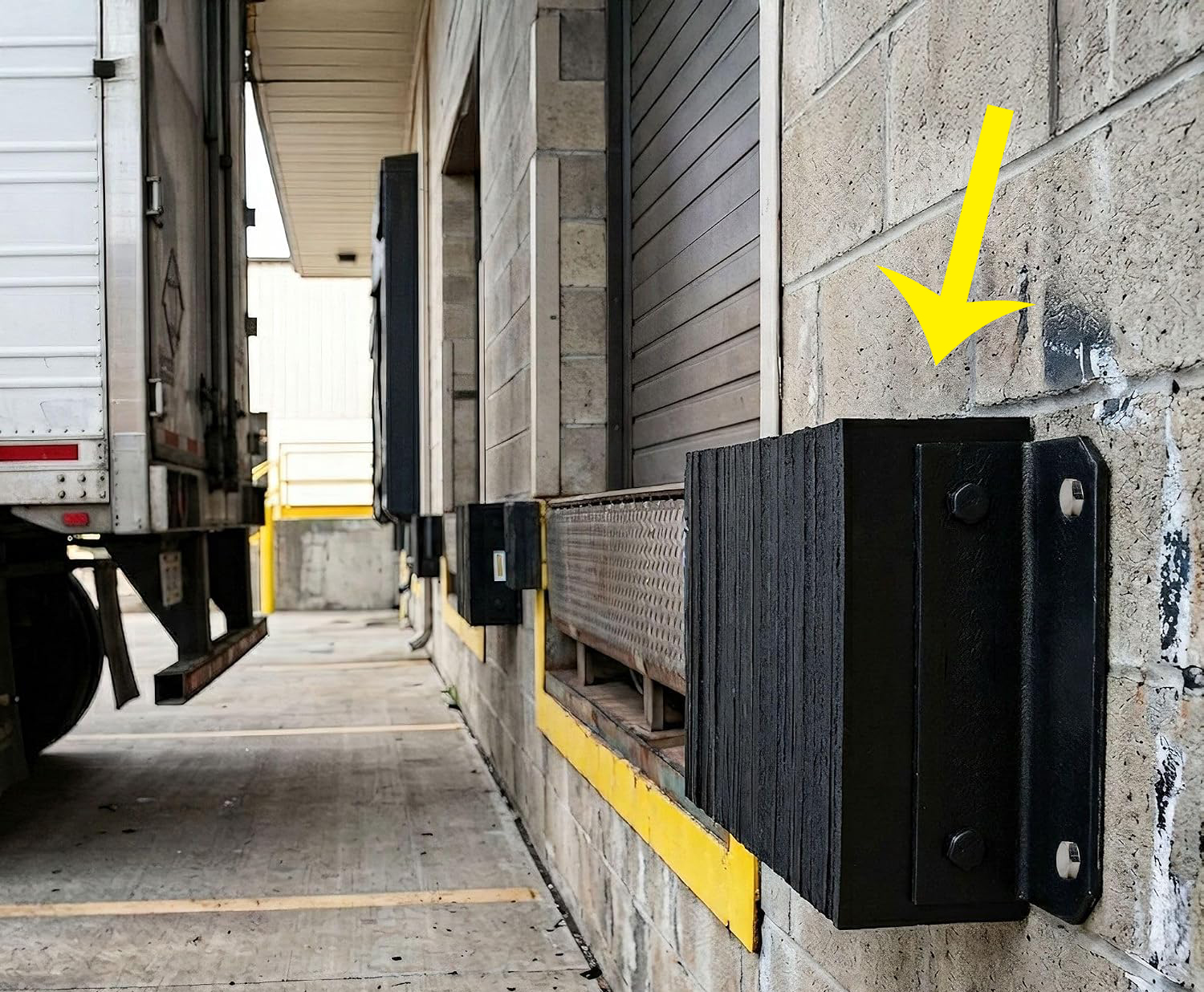 Rubber Laminated Loading Dock Bumper with Steel Angle: 5 Field Failure Signs That Point Back to the RFQ
 Bridge Bearing Pad Field Failure: 5 Visual Signs Before It Retires (And What Caused It)
 Bridge Bearing Pad RFQ Checklist: 9 Lines That Stop Suppliers From Subbing the Rubber
 Laminated Rubber Bearing: Maintenance and Inspection Protocols