
Rubber plugs serve as versatile components in a myriad of applications, ranging from sealing and preserving specific fungal species to manufacturing essential electrical components like capacitors. Ensuring the compatibility of rubber plugs with various fluids is paramount to maintaining their efficacy and durability. This comprehensive overview delves into the intricacies of rubber plug compatibility with diverse fluids, considering the myriad factors that influence this relationship.

General Compatibility Factors
The compatibility of rubber plugs with different fluids is influenced by several key factors. These include the type of rubber utilized, the chemical composition of the fluid, and the prevailing temperature and pressure conditions. A variety of rubber types are employed in the production of plugs, encompassing natural rubber, synthetic rubbers such as butyl rubber, and specialized formulations tailored for particular applications.
Types of Rubber and Their Properties
Natural rubber, derived from the latex of rubber trees, offers good elasticity and resilience. It is widely used in applications requiring flexibility and durability. Synthetic rubbers, on the other hand, are engineered to exhibit specific properties. Butyl rubber, for instance, is renowned for its impermeability to gases and its resistance to a broad spectrum of chemicals. Specialized rubber formulations are often developed to meet the demands of niche applications, where standard rubbers may fall short.
Specific Fluids and Compatibility
Water and Humid Environments
Rubber plugs generally exhibit good resistance to water and humid environments. However, prolonged exposure can lead to degradation or swelling of the rubber material. In the realm of aluminum electrolytic capacitors, rubber plugs have been known to develop mold when subjected to wet thermal environments. This underscores the importance of considering the specific conditions under which rubber plugs will be used.
Chemicals and Solvents
The compatibility of rubber plugs with chemicals and solvents is highly variable and depends on the particular chemical in question. Butyl rubber, for example, is recognized for its resistance to a wide range of chemicals, making it a preferred choice in applications where chemical exposure is a concern. Conversely, some rubbers may degrade rapidly when exposed to certain chemicals, highlighting the need for careful material selection.
Oils and Fuels
Rubber plugs crafted from nitrile rubber (NBR) or fluorocarbon rubber (FKM) typically demonstrate superior resistance to oils and fuels when compared to other rubber types. These materials are extensively used in automotive and industrial settings where exposure to petroleum-based products is commonplace. The selection of an appropriate rubber material is crucial to prevent swelling, softening, or degradation of the plug when in contact with oils and fuels.
Gases
Rubber plugs can effectively seal against gases, provided that the rubber material is compatible with the gas in question. In the field of mycology, rubber plugs are employed to create an anaerobic environment for preserving fungal cultures. This application underscores the versatility of rubber plugs and the importance of selecting a material that can withstand the specific gas environment.
Special Considerations
Temperature and Pressure
Temperature and pressure are critical factors that can significantly impact the performance of rubber plugs. High temperatures can cause rubber materials to soften, lose elasticity, or even degrade. Similarly, high pressures can lead to deformation or failure of the plug. Therefore, it is essential to choose a rubber material that can withstand the operating conditions of the application. For instance, in the case of low-stiffness rubber bearings, both natural rubber and lead-plug rubber bearings are rigorously tested under various temperature and pressure conditions to ensure their suitability.
Aging and Degradation
Rubber plugs are susceptible to aging and degradation over time, particularly through processes such as heat oxygen aging. This natural deterioration can compromise their ability to maintain a seal or withstand fluid exposure. Understanding the aging mechanisms of different rubber materials and selecting appropriate materials can help extend the lifespan of rubber plugs. Manufacturers often conduct accelerated aging tests to predict the long-term performance of rubber plugs under specific conditions.
Material Selection and Testing
When selecting a rubber plug for a specific application, it is crucial to consider the properties of the fluid it will be exposed to, as well as other environmental factors such as temperature and pressure. Material data sheets provide valuable information on the chemical resistance, temperature range, and other properties of different rubber materials. Conducting compatibility tests can further validate the suitability of a particular rubber material for the intended application.
Compatibility tests may involve exposing rubber samples to the fluid in question under controlled conditions and assessing any changes in the rubber's physical or chemical properties. These tests can help identify potential issues such as swelling, softening, hardening, or chemical degradation. By conducting thorough testing, manufacturers can ensure that the selected rubber material will perform reliably in the intended application.
In conclusion, the compatibility of rubber plugs with different fluids is a complex interplay of various factors, including the type of rubber, the chemical composition of the fluid, temperature, and pressure conditions. Careful consideration of these factors is essential to ensure the effectiveness and longevity of rubber plugs in diverse applications. By consulting material data sheets, conducting compatibility tests, and selecting appropriate rubber materials, manufacturers can optimize the performance of rubber plugs and meet the specific requirements of their applications. Whether sealing against gases, withstanding chemicals and solvents, or resisting oils and fuels, the right rubber plug can make all the difference in ensuring the success of a product or process.
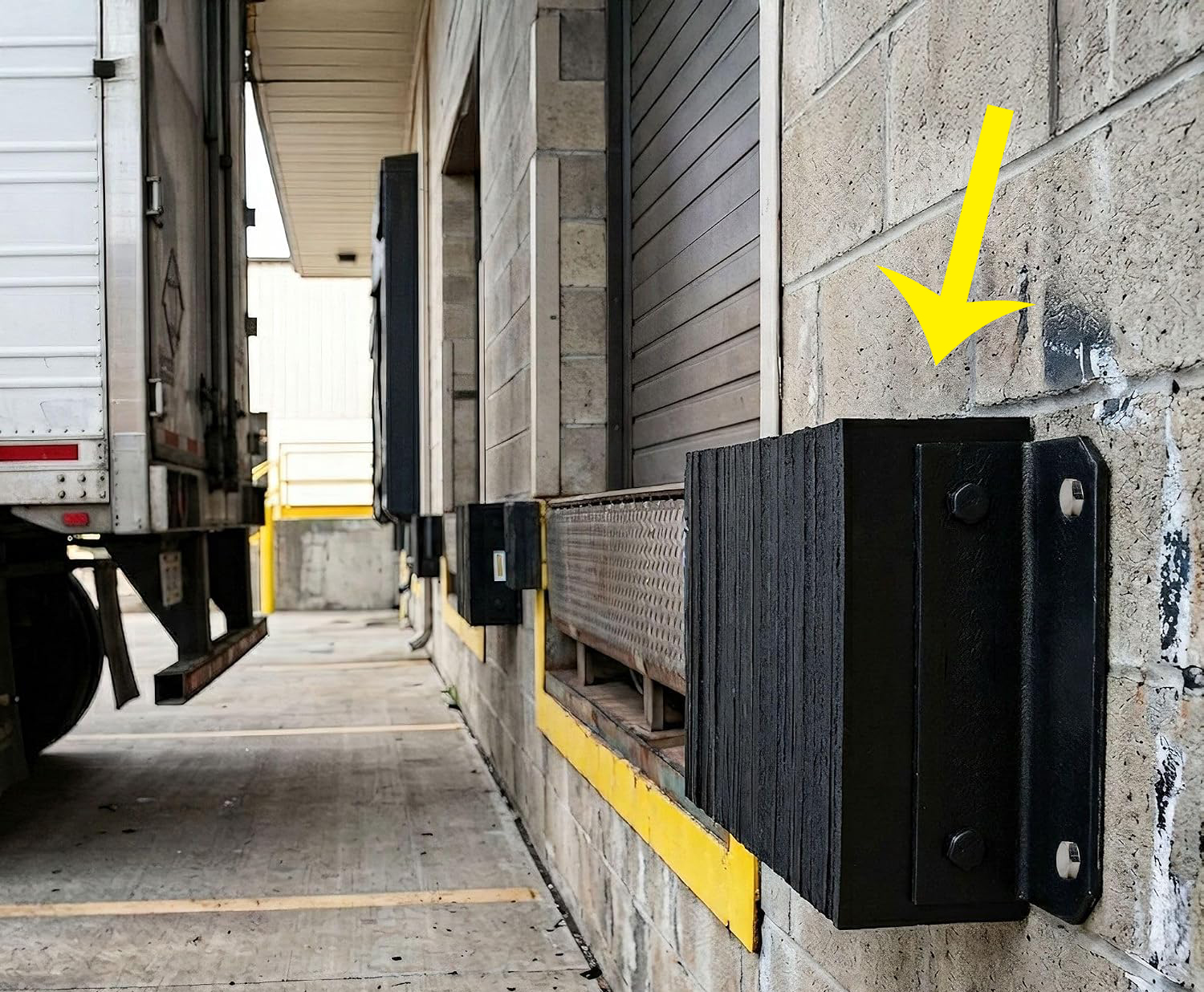 Rubber Laminated Loading Dock Bumper with Steel Angle: 5 Field Failure Signs That Point Back to the RFQ
 Bridge Bearing Pad Field Failure: 5 Visual Signs Before It Retires (And What Caused It)
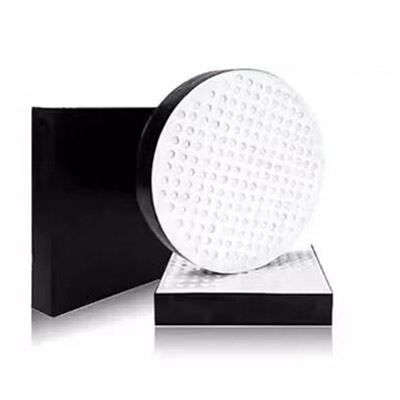 Bridge Bearing Pad RFQ Checklist: 9 Lines That Stop Suppliers From Subbing the Rubber
 Laminated Rubber Bearing: Maintenance and Inspection Protocols