
Rubber products, including rubber plugs, can exert multifaceted influences on the environment during their production and utilization phases. These impacts encompass, but are not limited to, resource consumption, waste disposal, and the release of chemical substances. The following is an analysis of the environmental impact of rubber plugs based on current information.
Resource Consumption
The production of rubber plugs typically involves the use of natural rubber or synthetic rubber. Natural rubber primarily originates from the latex of rubber trees, while synthetic rubber may be manufactured from petroleum-based or other chemical raw materials. Regardless of the source, both involve the depletion of natural resources. For instance, the cultivation and harvesting of natural rubber demand substantial land and water resources, whereas the production of synthetic rubber relies on non-renewable resources like petroleum.
The extraction of natural rubber necessitates extensive rubber plantations, which can lead to deforestation and habitat loss if not managed sustainably. These plantations require significant amounts of water for irrigation, especially in regions where water scarcity is already a concern. Furthermore, the transportation of natural rubber from plantations to manufacturing facilities contributes to greenhouse gas emissions.
On the other hand, the production of synthetic rubber depends heavily on petroleum, a fossil fuel that is finite and whose extraction and refinement processes have numerous environmental implications. These include oil spills, air pollution from refineries, and the emission of greenhouse gases during the combustion of fossil fuels used in the production process.
Waste Disposal
At the end of their service life, rubber plugs, if improperly managed, can become sources of environmental pollution. Rubber materials are not easily degradable and can persist in the environment for extended periods, potentially contaminating soil and water bodies. The leaching of chemicals from rubber waste into soil can alter its composition, affecting plant growth and soil fertility. In aquatic environments, rubber particles can be ingested by marine life, posing risks to biodiversity and ecosystem health.
Moreover, if rubber waste is incinerated, it releases harmful gases such as dioxins and furans, which are known to be toxic and can have severe impacts on air quality and human health. These pollutants can cause respiratory problems, cardiovascular diseases, and even cancer. Therefore, the disposal of rubber waste requires careful consideration to minimize its adverse effects on the environment and public health.
Chemical Substance Release
During the manufacturing process of rubber products, various chemical additives may be used, including plasticizers, stabilizers, and dyes. These chemicals can gradually leach out during the product's lifecycle, entering the environment and potentially having negative impacts on ecosystems and human health.
Plasticizers, for example, are added to rubber to improve its flexibility and processability. However, some plasticizers are known to be endocrine disruptors, meaning they can interfere with the hormone systems of living organisms. Exposure to these chemicals can lead to reproductive and developmental issues in wildlife and humans.
Stabilizers are used to prevent rubber from deteriorating when exposed to heat, light, or oxygen. Some stabilizers contain heavy metals such as lead and cadmium, which can accumulate in the environment and enter the food chain, posing long-term health risks.
Dyes used in rubber manufacturing can also pose environmental concerns. Many dyes are synthetic and can contain toxic chemicals that, when released into water bodies, can harm aquatic life and disrupt ecosystems.
Recycling and Environmental Measures
To mitigate the negative environmental impact of rubber plugs, various environmental measures and recycling methods are being researched and implemented. One approach is the recycling of old tires, which can be ground into rubber particles and used to manufacture new rubber products or as filler material. This reduces the demand for new rubber and the generation of waste.
In addition to tire recycling, efforts are being made to develop more sustainable rubber sources. For instance, researchers are exploring the use of biobased rubbers derived from renewable resources such as plants. These biobased rubbers have the potential to reduce reliance on petroleum-based raw materials and decrease the environmental footprint of rubber production.
Furthermore, improvements in manufacturing processes are being pursued to minimize the use of harmful chemicals and reduce emissions. Adopting cleaner production techniques, such as using water-based coatings instead of solvent-based ones, can significantly reduce the release of volatile organic compounds (VOCs) into the atmosphere.
Consumer awareness and behavior also play a crucial role in mitigating the environmental impact of rubber plugs. Encouraging consumers to choose products made from recycled or biobased rubber and to dispose of them responsibly can contribute to a more sustainable use of rubber resources.
In conclusion, the environmental impact of rubber plugs is a complex issue that involves multiple aspects such as resource consumption, waste disposal, and the release of chemical substances. By adopting environmentally friendly materials, improving production processes, and strengthening waste management practices, it is possible to alleviate these impacts to some extent.
Looking ahead, with advancements in technology and increasing environmental awareness, it is anticipated that more innovative solutions will emerge to further reduce the environmental burden of rubber plugs. These solutions may include the development of new materials that are both durable and easily recyclable, as well as the implementation of circular economy models that promote the reuse and recycling of rubber products.
In the meantime, it is essential for stakeholders across the rubber industry, including manufacturers, regulators, and consumers, to collaborate and take proactive measures to minimize the environmental footprint of rubber plugs. By working together, we can ensure that the benefits of rubber products are not outweighed by their potential negative impacts on the environment and human health.
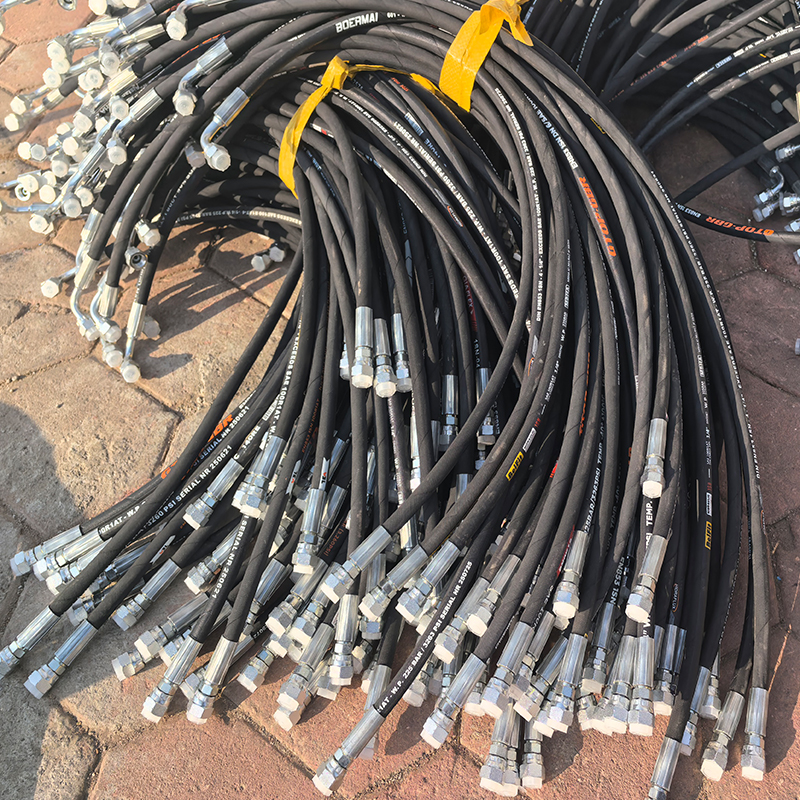 How to Create a Proactive Spiral Hydraulic Hose Replacement Plan That Prevents Downtime?
 Is Your Hydraulic System Overstressing? 5 Diagnostic Signs You Need to Upgrade to Spiral Hose
 Is Your Hydraulic System Pushing Limits? When to Specify Spiral Hose vs. Braided?
 Is Your Machinery Demanding More? Why Upgrade to a Spiral Hydraulic Hose?