
The performance of rubber products is a subject of considerable interest across various industries, given their widespread application in diverse environments. One particular type of rubber product that often comes under scrutiny is the rubber plug. These unassuming yet crucial components play a vital role in sealing, protecting, and ensuring the functionality of numerous devices and systems. However, the influence of temperature on rubber plug performance is a nuanced topic that warrants a detailed examination. While it is generally acknowledged that temperature variations can significantly impact the properties of rubber, the specifics of how these changes affect rubber plugs require a closer look.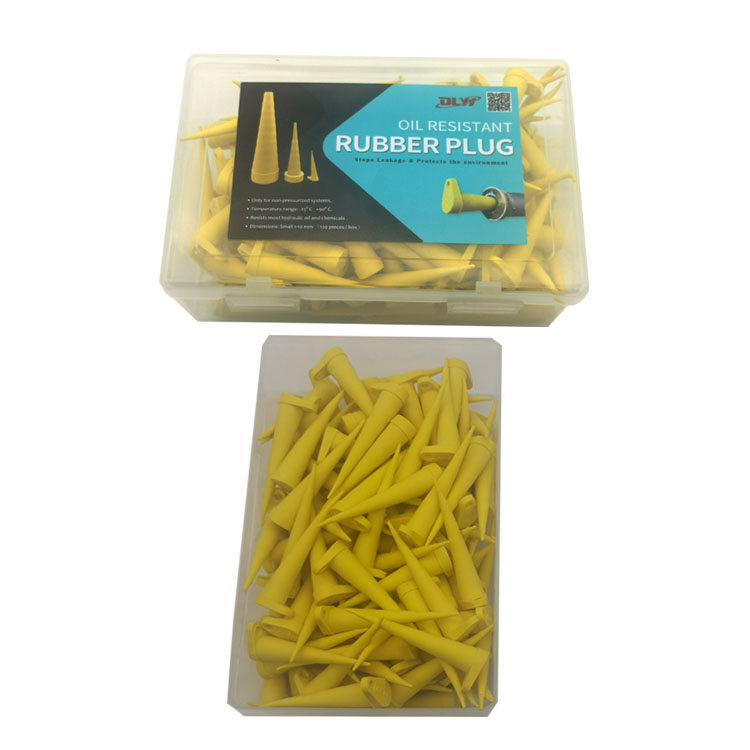
To begin with, it is important to understand the fundamental behavior of rubber as a material. Rubber, derived primarily from natural or synthetic sources, exhibits viscoelastic properties. This means it combines elements of both viscous (liquid-like) and elastic (solid-like) characteristics. At moderate temperatures, rubber displays excellent elasticity, allowing it to return to its original shape after being stretched or compressed. This property is particularly valuable in applications where a tight seal is essential, such as in plumbing systems, automotive engines, or laboratory equipment.
However, when subjected to extreme temperatures, the behavior of rubber can drastically alter. At low temperatures, rubber tends to become harder and more brittle. This change in consistency can impair its sealing capabilities. A brittle rubber plug is more likely to crack or fail to form a tight seal, potentially leading to leaks or other malfunctions. In environments where consistent sealing is critical, such as in chemical processing plants or aerospace applications, the risk of failure due to temperature-induced brittleness must be carefully managed.
Conversely, high temperatures can have an equally detrimental effect on rubber plugs. Elevated temperatures cause rubber to soften, reducing its elasticity and making it more prone to deformation. In extreme cases, rubber can even begin to melt or degrade, compromising its structural integrity. Softened rubber plugs may fail to maintain the necessary pressure or seal, leading to potential system failures. This is particularly concerning in high-temperature environments, such as industrial furnaces, automotive engines, or geothermal power plants.
The specific impact of temperature on rubber plug performance also depends on the material composition of the plug. Different types of rubber exhibit varying degrees of temperature resistance. For instance, some rubbers, like silicone, are known for their high-temperature stability and can withstand temperatures well above those that would cause conventional rubbers to fail. On the other hand, rubbers like natural rubber or neoprene may have lower temperature tolerance and are more suited for applications where temperature fluctuations are minimal.
The manufacturing process of rubber plugs also plays a crucial role in determining their temperature resistance. Proper curing, vulcanization, and the addition of specific additives can enhance the thermal stability of rubber. Manufacturers often employ specialized techniques to ensure that their rubber plugs can withstand the temperature extremes expected in their intended applications. For example, reinforcing agents can be added to improve the tensile strength and heat resistance of the rubber, while antioxidants can help protect against thermal degradation.
Furthermore, the environment in which the rubber plug is used can exacerbate the effects of temperature. Factors such as humidity, exposure to chemicals, and mechanical stress can all interact with temperature to accelerate the deterioration of rubber plugs. In moist environments, for instance, rubber may absorb water, which can further weaken its structure when subjected to temperature changes. Similarly, exposure to certain chemicals can degrade the rubber, making it more susceptible to temperature-related failures.
To mitigate the effects of temperature on rubber plug performance, several strategies can be employed. One approach is to select a rubber material that is specifically designed to withstand the temperature range of the intended application. This may involve consulting with material suppliers or conducting tests to determine the optimal rubber compound for a particular environment.
Another strategy is to incorporate design features that enhance the temperature resistance of the rubber plug. For example, increasing the thickness of the rubber or adding reinforcing layers can improve its ability to withstand high temperatures without deforming. Additionally, designing the plug with a tighter fit or incorporating additional sealing mechanisms can help maintain a secure seal even as the rubber's properties change due to temperature.
Regular inspection and maintenance of rubber plugs are also essential to ensure their continued performance. Over time, rubber can degrade due to exposure to temperature extremes, and periodic checks can help identify potential issues before they lead to system failures. Replacing worn or damaged rubber plugs promptly can prevent leaks, reduce downtime, and extend the lifespan of the equipment or system in which they are used.
In conclusion, the performance of rubber plugs is significantly influenced by temperature. Low temperatures can cause rubber to become brittle, impairing its sealing capabilities, while high temperatures can soften rubber, reducing its elasticity and leading to potential deformation or failure. The specific impact of temperature on rubber plug performance depends on factors such as the material composition, manufacturing process, and operating environment. By carefully selecting the right rubber material, incorporating design features that enhance temperature resistance, and implementing regular inspection and maintenance practices, the effects of temperature on rubber plug performance can be mitigated, ensuring the reliability and longevity of these critical components.
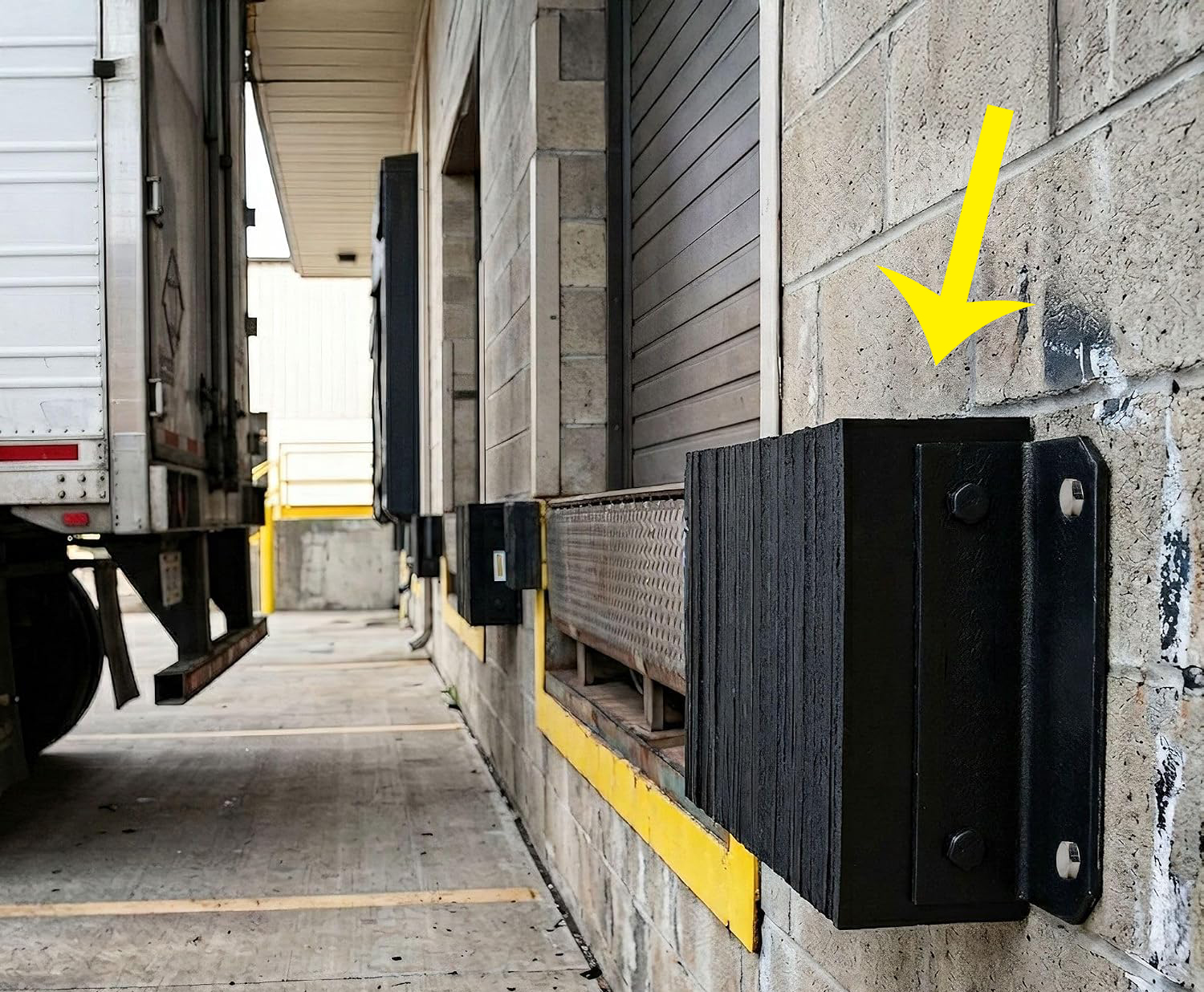 Rubber Laminated Loading Dock Bumper with Steel Angle: 5 Field Failure Signs That Point Back to the RFQ
 Bridge Bearing Pad Field Failure: 5 Visual Signs Before It Retires (And What Caused It)
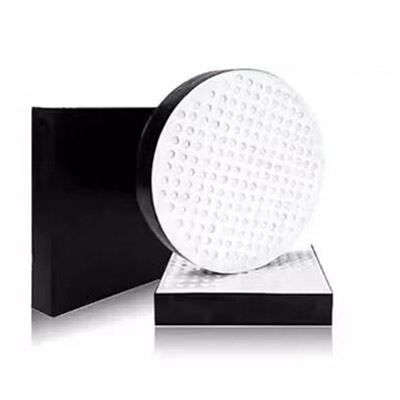 Bridge Bearing Pad RFQ Checklist: 9 Lines That Stop Suppliers From Subbing the Rubber
 Laminated Rubber Bearing: Maintenance and Inspection Protocols