
When it comes to the lifespan and replacement cycle of rubber plugs, there is no definitive, one-size-fits-all answer. Rubber products, including rubber plugs, are subject to a multitude of factors that can influence their durability and longevity. Understanding these factors and how they interact with the specific application of the rubber plug is crucial in determining when and if a replacement is necessary. This article aims to provide insights into the various considerations that affect the lifespan of rubber plugs and offer practical guidance on when and how to replace them.
Factors Influencing Rubber Plug Lifespan
Material Quality
The quality of the rubber material used in manufacturing rubber plugs is a fundamental factor in determining their lifespan. High-quality rubber is formulated to withstand a range of environmental conditions, pressures, and temperatures. It is often reinforced with additives to enhance its durability, flexibility, and resistance to chemicals and oils.
Conversely, low-quality rubber may degrade rapidly, becoming brittle or soft, leading to premature failure. Therefore, choosing rubber plugs made from high-quality materials is essential for ensuring a longer lifespan.
Environmental Conditions
The environment in which rubber plugs are used plays a significant role in their durability. Extreme temperatures, whether very high or very low, can accelerate the aging process of rubber, causing it to harden or soften, respectively. This alteration in physical properties can compromise the integrity of the rubber plug, leading to leaks or failures.
In addition, exposure to chemicals, UV radiation, and moisture can degrade rubber over time. For rubber plugs used in such harsh environments, specialized rubber formulations or coatings may be necessary to extend their lifespan.
Frequency and Manner of Use
The frequency and manner of use are also crucial factors in determining the lifespan of rubber plugs. Constant exposure to pressure, friction, or repeated insertions and removals can wear down the rubber material, causing it to thin or tear.
In applications where rubber plugs are subject to high-frequency use or extreme forces, regular inspections and replacements may be required to prevent failures. Proper installation techniques and the use of tools designed to minimize stress on the rubber plug can also help extend its lifespan.
Storage Conditions
Even when not in use, rubber plugs can be affected by storage conditions. Prolonged exposure to heat, direct sunlight, or humid environments can degrade the rubber material over time. Proper storage practices, such as keeping rubber plugs in a cool, dry place, away from direct sunlight and chemicals, can help preserve their quality and extend their lifespan.
Signs of Wear and Failure
Identifying the signs of wear and failure in rubber plugs is essential for preventing unexpected leaks and failures. Here are some common indicators that a rubber plug may need to be replaced:
Cracking and Brittleness
Cracking and brittleness are signs that the rubber material has degraded over time. This can be caused by exposure to extreme temperatures, UV radiation, or chemicals. Cracks in the rubber can allow leaks, compromising the integrity of the seal.
Swelling and Softening
Swelling and softening of rubber plugs can indicate exposure to incompatible chemicals or fluids. These changes in physical properties can reduce the effectiveness of the seal, leading to leaks.
Compression Set
Compression set refers to the permanent deformation of rubber material after being subjected to a compressive force for an extended period. Rubber plugs that exhibit compression set may not return to their original shape, resulting in a poor seal.
Tears and Holes
Tears and holes in rubber plugs are obvious signs of wear and tear. These defects can be caused by repeated insertions and removals, exposure to sharp objects, or excessive force. Tears and holes can lead to immediate leaks and require immediate replacement.
Guidelines for Replacement
Replacing rubber plugs at the appropriate time can help prevent leaks, minimize downtime, and reduce maintenance costs. Here are some guidelines to consider when determining when to replace rubber plugs:
Regular Inspections
Performing regular inspections of rubber plugs is the first step in preventing unexpected failures. Inspections should be conducted visually and, in some cases, through non-destructive testing methods such as pressure testing or ultrasonic inspection.
During inspections, look for signs of wear and failure, such as cracks, swelling, softening, compression set, tears, and holes. If any of these signs are present, the rubber plug should be replaced immediately.
Manufacturer Recommendations
Consulting the manufacturer's recommendations for the specific rubber plug in use can provide valuable insights into its expected lifespan and replacement schedule. Manufacturers often provide guidelines based on their testing and experience with the product.
These recommendations may include specific intervals for inspections, factors to consider in determining when to replace the rubber plug, and instructions for proper installation and storage.
Application-Specific Factors
The specific application of the rubber plug can also influence its lifespan and replacement schedule. Consider the operating conditions, such as temperature, pressure, and exposure to chemicals, and how these factors affect the rubber material.
In high-risk applications, such as those involving hazardous chemicals or critical systems, a more conservative approach to replacement may be necessary to ensure safety and reliability.
Preventive Maintenance Programs
Implementing a preventive maintenance program can help extend the lifespan of rubber plugs and reduce the risk of unexpected failures. This program should include regular inspections, cleaning, and lubrication of the rubber plugs, as well as a schedule for replacement based on the manufacturer's recommendations and application-specific factors.
By proactively managing the maintenance of rubber plugs, organizations can minimize downtime, reduce repair costs, and ensure the reliability of their systems.
The lifespan and replacement cycle of rubber plugs are influenced by a multitude of factors, including material quality, environmental conditions, frequency and manner of use, and storage conditions. Understanding these factors and their impact on the specific application of the rubber plug is essential in determining when and if a replacement is necessary.
By performing regular inspections, consulting manufacturer recommendations, considering application-specific factors, and implementing preventive maintenance programs, organizations can extend the lifespan of their rubber plugs, minimize downtime, and reduce maintenance costs.
In summary, while there is no definitive answer to the question of rubber plug lifespan and replacement, a proactive and informed approach to maintenance can help ensure the reliability and safety of systems relying on rubber plugs. By staying vigilant and adapting to changing conditions, organizations can optimize the performance of their rubber plugs and achieve long-term success in their operations.
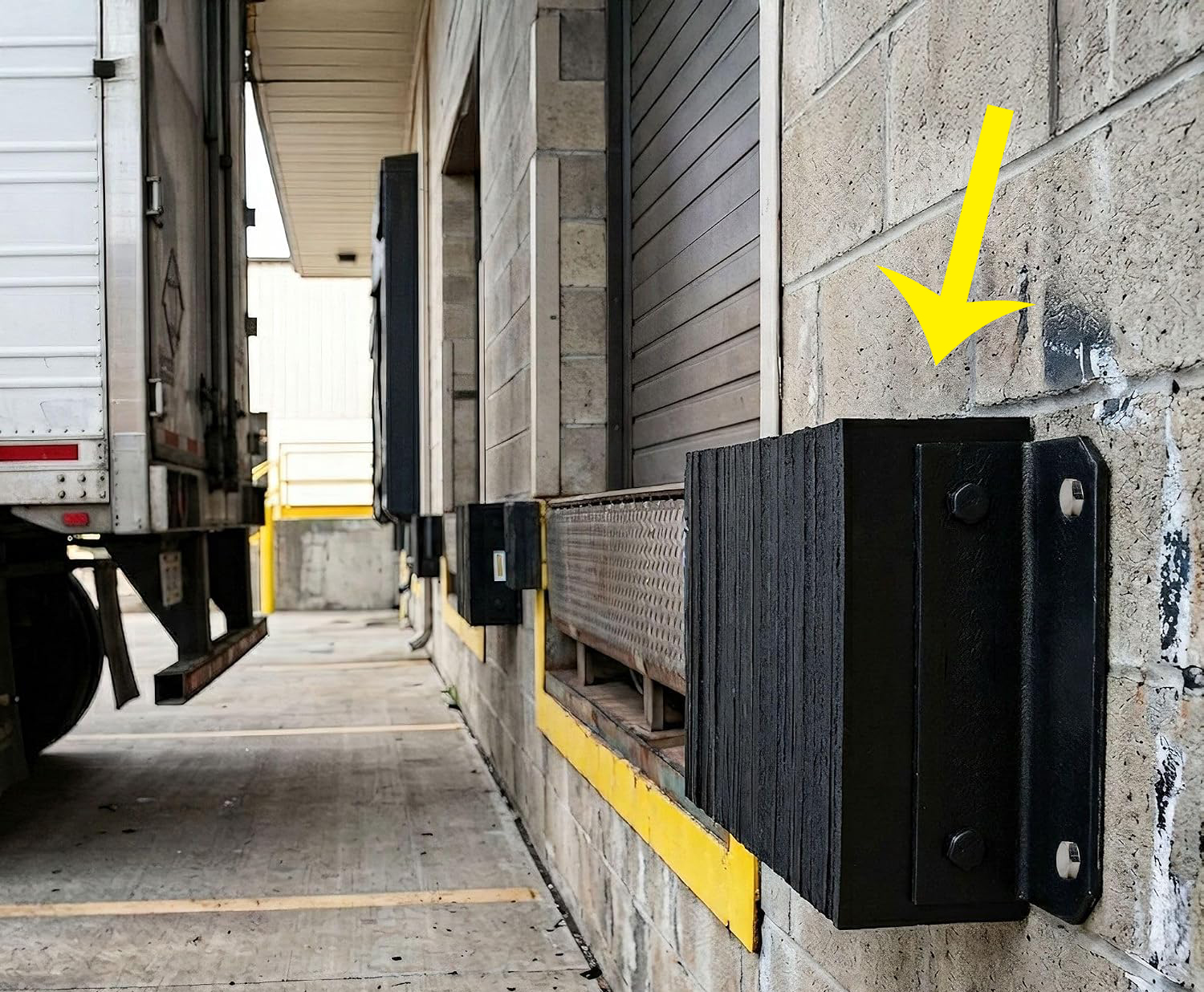 Rubber Laminated Loading Dock Bumper with Steel Angle: 5 Field Failure Signs That Point Back to the RFQ
 Bridge Bearing Pad Field Failure: 5 Visual Signs Before It Retires (And What Caused It)
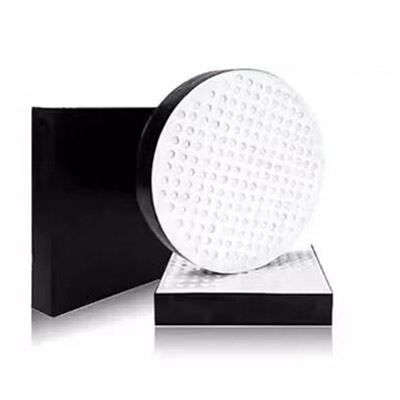 Bridge Bearing Pad RFQ Checklist: 9 Lines That Stop Suppliers From Subbing the Rubber
 Laminated Rubber Bearing: Maintenance and Inspection Protocols