
Rubber plugs, though seemingly simple and unassuming, play crucial roles in various applications, from sealing containers to protecting machinery parts. However, like any other material, rubber plugs are susceptible to a range of issues that can compromise their functionality and longevity. This article delves into some of the most common problems associated with rubber plugs and provides practical solutions to address them.
1. Hardening of Rubber Plugs
One of the most prevalent issues with rubber plugs is their tendency to harden over time. This hardening can be attributed to the aging of rubber. Rubber and its products undergo gradual degradation in their physical and chemical properties due to a combination of internal and external factors during processing, storage, and use. For instance, a rubber plug that has been left unused for several years may become noticeably stiffer.
To tackle this issue, several remedies can be explored. One popular method involves using alcohol wipes or essential balm containing menthol and eucalyptus oil to擦拭 (wipe) the surface of the rubber plug. However, it's important to note that the effectiveness of these methods can vary, and there may be other, potentially more effective solutions yet to be discovered. Experimenting with different approaches may be necessary to find the most suitable one for a particular rubber plug.
2. Stickiness Due to Aging
Another common problem is the development of stickiness in rubber plugs as they age. This stickiness can be a result of the same aging process that affects rubber products. Over time or due to exposure to certain external factors, rubber can degrade, leading to a tacky surface. Examples include rubber pulleys on machines that have become sticky after prolonged use, latex tubing in laboratories, dropper caps, and even balloons that develop a sticky residue as they age.
Similar to the hardening issue, alcohol wipes or essential balm can be used to attempt to alleviate the stickiness. Again, the success of these methods may vary, and other solutions may exist. It's worth noting that preventing aging through proper storage and usage can also help mitigate this problem.
3. Cracking, Powdering, Discoloration, and Mold Growth
Rubber plugs can also suffer from cracking, powdering, discoloration, and mold growth. These issues are often symptoms of advanced rubber aging. The combined effects of processing, storage, and usage conditions can lead to the gradual deterioration of rubber's properties, resulting in these visible signs of degradation.
Unfortunately, specific solutions for these particular issues are not explicitly mentioned. However, maintaining good storage and usage practices can help slow down the aging process. For example, avoiding direct sunlight, extreme temperatures, and regular cleaning can all contribute to preserving the integrity of rubber plugs.
4. Maintenance Issues During Use
a. Decreased Sealing Performance
Rubber plugs are often used for their sealing properties. However, their sealing performance can decrease over time due to several factors. In industrial environments, exposure to corrosive or chemical substances without timely cleaning can damage the rubber plug, compromising its sealing ability. Similarly, prolonged exposure to direct sunlight or extreme temperatures can cause the rubber to soften or degrade, leading to loss of sealing effectiveness.
To address these issues, regular cleaning is essential. It's important to avoid using strong acids or alkaline cleaners that can damage the rubber. Additionally, storing rubber plugs in locations shielded from direct sunlight or using shading devices can help protect them. Extreme temperature conditions should also be avoided to maintain the rubber's integrity.
b. Wear and Tear
In applications where rubber plugs are frequently inserted and removed, wear and tear can become a significant problem. This wear can be exacerbated by the lack of appropriate lubricants or by excessive stretching and twisting during installation and use.
To minimize wear, it's advisable to use non-corrosive lubricants that are compatible with the rubber material in applications that require frequent insertion and removal. Furthermore, selecting the correct size of rubber plug, as recommended by the manufacturer, and avoiding excessive stretching or twisting can help extend the plug's lifespan.
c. Crack Formation
Cracks in rubber plugs can occur due to prolonged use or exposure to adverse external factors. These cracks can compromise the plug's integrity and functionality.
The solution to this problem is straightforward: if any signs of wear or cracks are observed, the rubber plug should be replaced immediately to prevent further damage. Regular inspections can help identify cracks early, allowing for timely replacement.
5. Storage Problems
Proper storage is crucial for maintaining the quality and longevity of rubber plugs. If they are not stored in a suitable environment or container, dust, moisture, and other contaminants can adversely affect them.
To ensure the best storage conditions, choose a dry, well-ventilated area. Rubber plugs should be placed in appropriate containers to protect them from dust and moisture during long-term storage. This approach can help preserve the rubber's properties and extend the lifespan of the plugs.
In conclusion, while rubber plugs are versatile and useful, they are not immune to issues such as hardening, stickiness, cracking, decreased sealing performance, wear and tear, and storage problems. By understanding the causes of these issues and implementing the suggested solutions, users can help maintain the functionality and longevity of their rubber plugs. Regular inspections, proper cleaning, and suitable storage conditions are key to keeping rubber plugs in optimal condition for their intended applications.
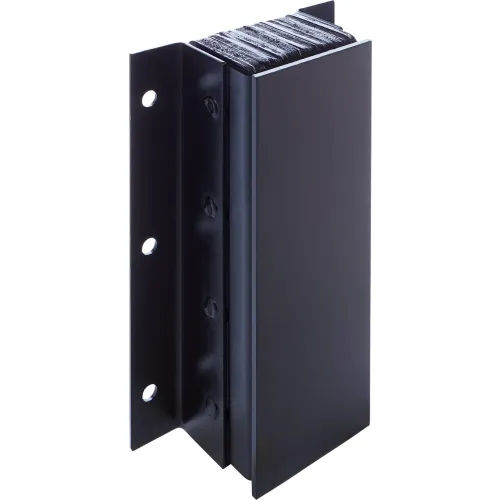 Steel-Faced Laminated Rubber Bumper: 5 Field Problems Buyers Keep Finding After Installation
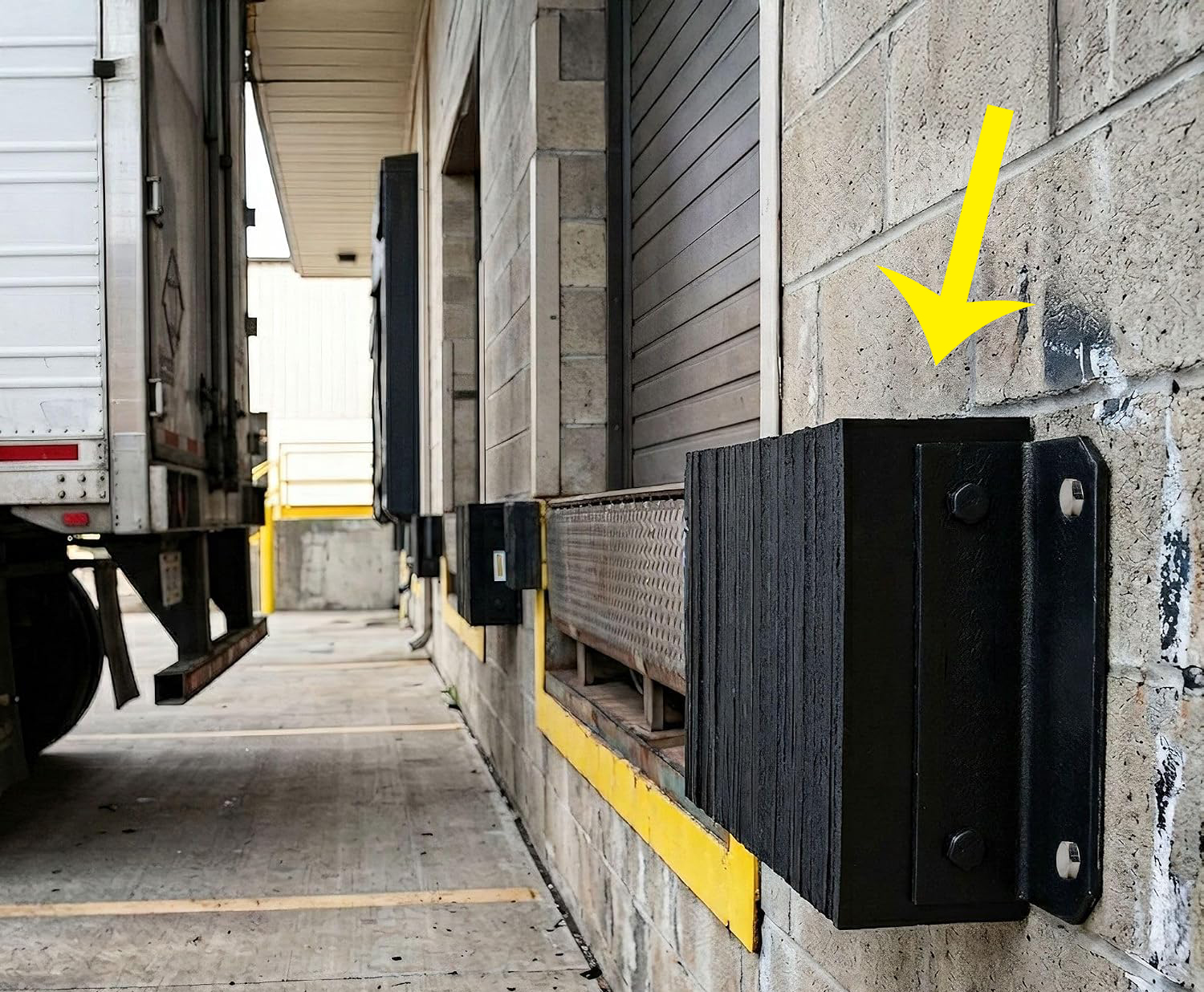 Rubber Laminated Loading Dock Bumper with Steel Angle: 5 Field Failure Signs That Point Back to the RFQ
 Bridge Bearing Pad Field Failure: 5 Visual Signs Before It Retires (And What Caused It)
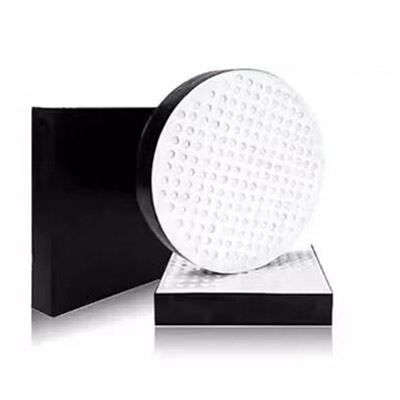 Bridge Bearing Pad RFQ Checklist: 9 Lines That Stop Suppliers From Subbing the Rubber