
In the vast realm of industrial sealing solutions, nitrile rubber plugs stand out for their versatility, durability, and chemical resistance. These seemingly unassuming components play a crucial role in a multitude of applications, ranging from automotive assemblies to medical devices and beyond. While many materials have been explored for sealing purposes, nitrile rubber (also known as NBR or Buna-N) has emerged as a preferred choice due to its unique combination of properties. This article delves into the myriad benefits of using nitrile rubber plugs, shedding light on their characteristics, applications, and the reasons behind their widespread adoption.
Introduction to Nitrile Rubber
Nitrile rubber is a synthetic rubber copolymer primarily composed of acrylonitrile (ACN) and butadiene. The precise ratio of these components can be adjusted to tailor the material's properties to specific needs, but typical formulations offer a balance of oil resistance, mechanical strength, and temperature stability. This adaptability makes nitrile rubber an excellent candidate for sealing applications where exposure to oils, fuels, solvents, and other harsh chemicals is a possibility.
Chemical Resistance
One of the most notable benefits of using nitrile rubber plugs is their exceptional chemical resistance. Unlike natural rubber, which can degrade quickly when exposed to oils and certain chemicals, nitrile rubber demonstrates remarkable resilience. Its molecular structure, enhanced by the incorporation of acrylonitrile units, provides a barrier that resists swelling and degradation, even when in contact with petroleum-based products, acids, bases, and a wide range of organic solvents. This chemical stability ensures that nitrile rubber plugs maintain their sealing integrity over extended periods, reducing the need for frequent replacements and minimizing downtime in industrial processes.
Temperature Range and Durability
Another significant advantage of nitrile rubber is its ability to perform reliably across a broad temperature range. While the exact temperature limits can vary depending on the formulation, nitrile rubber typically maintains flexibility and sealing effectiveness from approximately -40°C to 100°C (-40°F to 212°F). This wide operational window makes it suitable for applications subject to extreme temperature fluctuations, such as automotive engines, aerospace systems, and industrial machinery.
Moreover, nitrile rubber's durability is another hallmark of its utility. It exhibits good tear strength and abrasion resistance, meaning it can withstand the wear and tear associated with dynamic sealing applications. This robustness ensures that nitrile rubber plugs remain effective even under high-pressure conditions or in environments where physical abuse is a concern.
Oil and Fuel Resistance
In the automotive and aviation industries, the need for seals that can withstand prolonged exposure to oils and fuels is paramount. Nitrile rubber plugs excel in these environments due to their inherent oil resistance. They prevent leaks and maintain seal integrity, even when immersed in lubricants, gasoline, diesel, and other petroleum-based fluids. This characteristic is particularly critical in fuel injection systems, hydraulic lines, and transmission assemblies, where even minor leaks can lead to significant performance degradation or safety hazards.
Versatility in Applications
The versatility of nitrile rubber plugs extends across numerous industries and applications. In the medical field, they are often used in devices such as syringes, infusion sets, and diagnostic equipment due to their biocompatibility and resistance to sterilization processes. The food and beverage industry relies on nitrile rubber seals for their compliance with hygiene standards and resistance to cleaning agents and foodstuffs.
In the electronics sector, nitrile rubber's electrical insulation properties make it ideal for sealing components in electrical enclosures and electronic assemblies. Its flame retardancy, achieved through the addition of specific additives, further enhances its suitability for applications where fire safety is a concern.
Additionally, nitrile rubber's ability to be molded into complex shapes and sizes allows for custom sealing solutions tailored to specific design requirements. This customization capability ensures that nitrile rubber plugs can meet the unique sealing challenges of diverse applications, from simple O-rings to intricate, multi-part assemblies.
Environmental and Economic Considerations
In today's world, environmental sustainability and economic efficiency are key considerations in material selection. Nitrile rubber plugs offer advantages in both areas. Firstly, compared to some other sealing materials, nitrile rubber has a lower environmental footprint during production and disposal. It is generally easier to recycle or incinerate with minimal environmental impact, although recycling options may vary depending on local infrastructure and regulations.
Economically, nitrile rubber's balance of performance and cost-effectiveness makes it an attractive choice. While higher-performance materials like fluoroelastomers or silicone rubber may offer superior resistance to specific chemicals or temperatures, they often come at a significantly higher price. Nitrile rubber, on the other hand, provides an excellent compromise between performance and affordability, making it a cost-efficient solution for a wide range of sealing needs.
Furthermore, the longevity of nitrile rubber plugs contributes to overall economic benefits. By reducing the frequency of replacements and minimizing downtime, they help maintain productivity and lower maintenance costs. This longevity is particularly valuable in critical applications where unplanned downtime can have significant financial consequences.
Ease of Installation and Maintenance
The installation and maintenance of sealing components can be a significant factor in their overall appeal. Nitrile rubber plugs are designed for ease of use, facilitating quick and straightforward installation processes. Their molded shapes and sizes ensure a snug fit in sealing surfaces, often requiring minimal tools or effort for installation.
Maintenance is similarly straightforward. Nitrile rubber's durability and chemical resistance reduce the need for frequent inspections or replacements. When replacements are necessary, the availability of standard and custom-molded nitrile rubber plugs ensures that suitable replacements can be sourced quickly and efficiently.
Compliance and Certifications
In many industries, compliance with specific standards and certifications is crucial for product acceptance and market access. Nitrile rubber plugs can be manufactured to meet a variety of international standards and regulations, including those related to food safety (e.g., FDA, EU 10/2011), medical device certification (e.g., ISO 10993. USP Class VI), and automotive specifications (e.g., SAE J200. ASTM D2000).
This compliance ensures that nitrile rubber plugs are suitable for use in applications where strict regulatory requirements must be met. It also provides manufacturers with peace of mind that their sealing components have undergone rigorous testing and meet the highest quality standards.
In summary, the benefits of using nitrile rubber plugs are manifold. Their chemical resistance, temperature stability, oil and fuel resistance, versatility in applications, environmental and economic considerations, ease of installation and maintenance, and compliance with standards make them an invaluable asset in a wide range of industrial sealing solutions.
Whether sealing critical components in high-performance engines, ensuring sterile conditions in medical devices, or maintaining the integrity of food processing equipment, nitrile rubber plugs demonstrate their worth through reliable performance and cost-efficiency. As industries continue to evolve and face new challenges, the adaptability and durability of nitrile rubber will undoubtedly keep it at the forefront of sealing technology.
In conclusion, when considering sealing solutions, nitrile rubber plugs offer a robust, versatile, and cost-effective option that meets the diverse needs of numerous industries. Their ability to withstand harsh environments, maintain sealing integrity over extended periods, and comply with rigorous standards make them a trusted choice for engineers and manufacturers worldwide. As technological advancements continue to shape the future of industrial applications, nitrile rubber plugs will remain a cornerstone of effective sealing strategies.
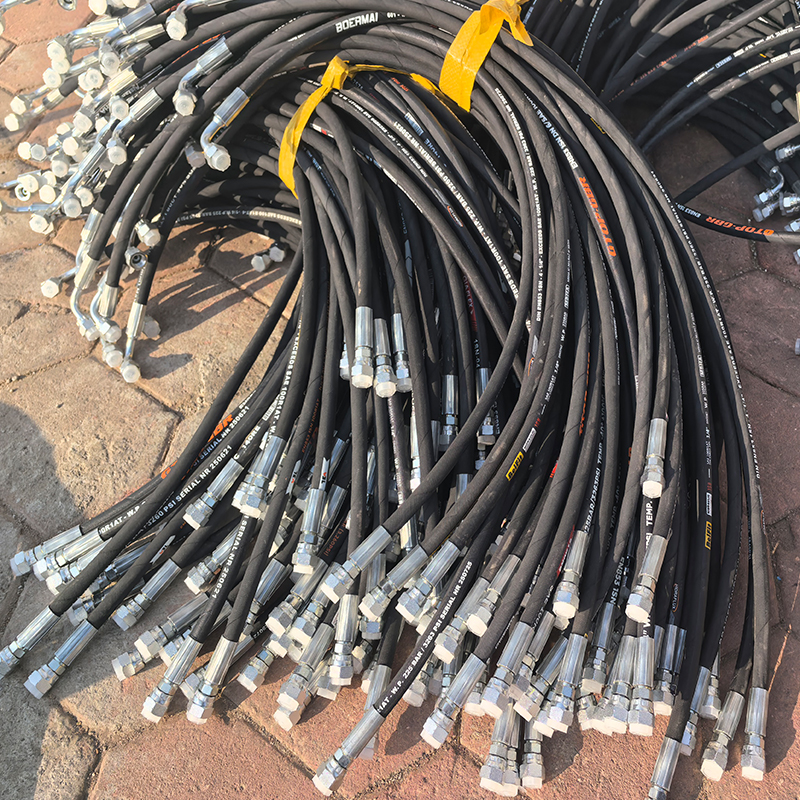 How to Create a Proactive Spiral Hydraulic Hose Replacement Plan That Prevents Downtime?
 Is Your Hydraulic System Overstressing? 5 Diagnostic Signs You Need to Upgrade to Spiral Hose
 Is Your Hydraulic System Pushing Limits? When to Specify Spiral Hose vs. Braided?
 Is Your Machinery Demanding More? Why Upgrade to a Spiral Hydraulic Hose?