
In industries ranging from automotive manufacturing to household appliance production, rubber plugs—often referred to as service plugs—play a quiet yet critical role in ensuring safety, efficiency, and longevity. These unassuming components are designed to seal openings, prevent leaks, and withstand environmental stressors, but their performance hinges on one often-overlooked factor: pressure. Whether subjected to internal fluid pressure, external mechanical force, or temperature-induced expansion, rubber plugs must maintain their integrity to function effectively. This article explores how pressure influences rubber plug performance, the science behind their resilience, and why selecting the right design matters for your application.
The Role of Rubber Plugs in Pressure Management
Rubber plugs are engineered to create airtight or watertight seals in various systems, from fuel tanks to hydraulic lines. Their primary job is to contain fluids or gases while preventing contamination from external elements. However, pressure—both internal and external—can challenge this seal. Internal pressure, such as the force exerted by compressed air or liquid inside a container, pushes outward on the plug. External pressure, like atmospheric changes or mechanical compression, pushes inward. A well-designed rubber plug balances these forces, ensuring the seal remains intact without deforming or failing.
For example, in automotive applications, a rubber plug sealing a fuel tank must withstand the pressure fluctuations caused by temperature changes and fuel vapor expansion. If the plug cannot handle these stresses, it may leak, leading to safety hazards or environmental harm. Similarly, in industrial machinery, plugs used in hydraulic systems must resist the high pressures generated by fluid flow to prevent system failure.
Material Science: The Foundation of Pressure Resistance
The ability of a rubber plug to endure pressure starts with its material composition. Rubber, a versatile elastomer, is chosen for its unique properties: elasticity, durability, and resistance to chemicals and temperature extremes. However, not all rubber compounds are created equal. Manufacturers tailor formulations to meet specific pressure requirements by adjusting ingredients like polymers, fillers, and plasticizers.
For instance, a plug designed for low-pressure applications, such as sealing a household water pipe, might use a softer, more flexible rubber compound. In contrast, a plug for high-pressure industrial equipment would require a harder, more rigid material with reinforced fibers or additives to enhance strength. The choice of material also depends on the operating environment. Plugs exposed to oils, solvents, or extreme temperatures need compounds that resist degradation under those conditions.
Design Considerations for Pressure Endurance
Beyond material selection, the physical design of a rubber plug significantly impacts its ability to handle pressure. Key design elements include shape, thickness, and the presence of reinforcement features.
Shape: A conical or tapered plug often provides better sealing under pressure than a flat-topped one. The taper allows the plug to wedge more tightly into the opening as pressure increases, creating a self-reinforcing seal.
Thickness: Thicker plugs can absorb more pressure without deforming, but they must balance thickness with flexibility. Overly thick plugs may struggle to fit snugly into irregular openings.
Reinforcement: Some plugs incorporate metal inserts or fabric layers to distribute pressure evenly and prevent localized stress points. These reinforcements are common in high-pressure applications like aerospace or heavy machinery.
Additionally, the surface texture of the plug matters. A ribbed or textured exterior can improve grip within the opening, reducing the likelihood of dislodgement under pressure.
Temperature and Pressure: A Delicate Balance
Temperature fluctuations are a silent but powerful force affecting rubber plug performance. Rubber expands when heated and contracts when cooled, which can alter the fit and seal of the plug. For example, a plug installed in a system that operates at high temperatures may soften, reducing its ability to resist pressure. Conversely, a plug in a freezing environment might become brittle and crack under stress.
To mitigate these effects, manufacturers often use rubber compounds with stable properties across a wide temperature range. Silicone-based rubbers, for instance, perform well in both high- and low-temperature extremes, making them ideal for applications like automotive engine compartments or outdoor equipment.
Testing and Quality Control: Ensuring Reliability
Before a rubber plug reaches the market, it undergoes rigorous testing to verify its pressure resistance. Common tests include:
Pressure cycling: Subjecting the plug to repeated cycles of high and low pressure to simulate real-world use.
Leak testing: Using air or water to check for seals under pressure.
Tensile strength testing: Measuring how much force the plug can withstand before stretching or breaking.
These tests help identify weaknesses in design or material, allowing manufacturers to refine their products for optimal performance. Quality control processes also ensure consistency, so every plug meets the same standards regardless of production batch.
Common Applications and Pressure Scenarios
Rubber plugs are ubiquitous across industries, each with unique pressure challenges:
Automotive: Fuel tanks, brake lines, and cooling systems rely on plugs to withstand pressure changes from temperature and fluid dynamics.
Construction: Plugs used in concrete forming must resist the hydraulic pressure of wet concrete while maintaining their shape.
Electronics: Waterproofing plugs in devices like smartphones or outdoor lighting must seal tightly despite pressure variations caused by altitude or weather.
Medical: Sterilization equipment often uses rubber plugs to maintain pressure during autoclaving, a high-temperature sterilization process.
In each case, the plug’s ability to handle pressure directly impacts the safety and functionality of the larger system.
Choosing the Right Rubber Plug for Your Needs
Selecting the appropriate rubber plug involves evaluating several factors:
Pressure range: Determine the maximum and minimum pressures the plug will encounter.
Temperature exposure: Consider both operating and storage temperatures.
Chemical compatibility: Ensure the rubber material won’t degrade when exposed to fluids or gases in the system.
Installation method: Some plugs are designed for push-in installation, while others require threading or adhesive.
Consulting with a manufacturer or supplier can help narrow down options based on these criteria, ensuring you choose a plug that delivers reliable performance under pressure.
Conclusion: The Unsung Hero of Pressure Management
Rubber plugs may be small, but their impact on system safety and efficiency is immense. By understanding how pressure affects their performance—and choosing designs tailored to specific applications—industries can avoid costly leaks, failures, and downtime. Whether sealing a fuel tank, a hydraulic line, or a medical device, the right rubber plug ensures pressure is managed effectively, silently safeguarding the systems we rely on every day.
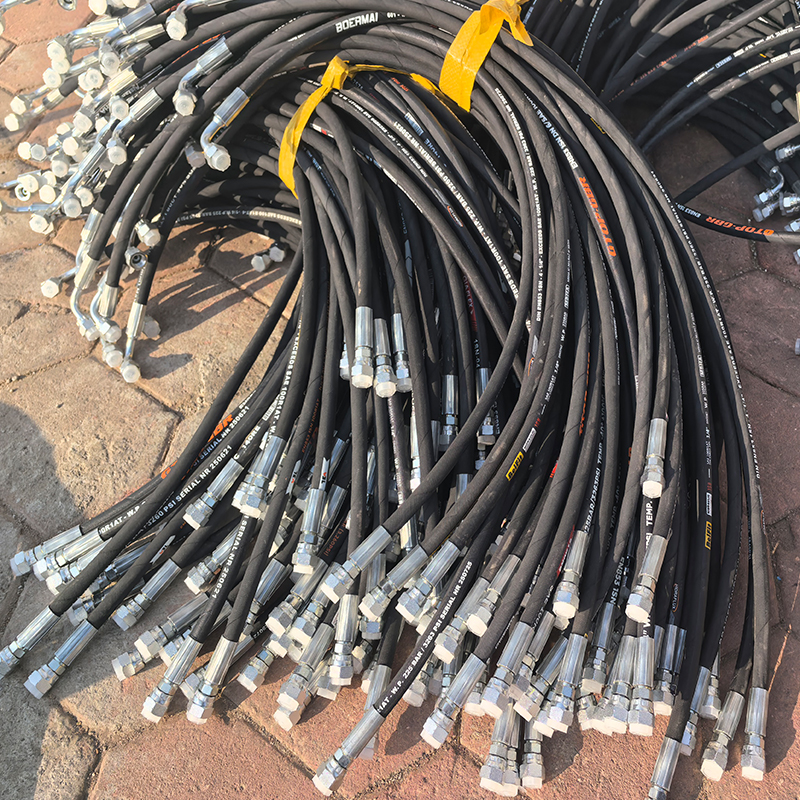 How to Create a Proactive Spiral Hydraulic Hose Replacement Plan That Prevents Downtime?
 Is Your Hydraulic System Overstressing? 5 Diagnostic Signs You Need to Upgrade to Spiral Hose
 Is Your Hydraulic System Pushing Limits? When to Specify Spiral Hose vs. Braided?
 Is Your Machinery Demanding More? Why Upgrade to a Spiral Hydraulic Hose?