
When managing fluid systems—whether in automotive, industrial, or residential applications—choosing the right rubber plug (also known as a service plug) is critical. These unassuming components play a vital role in sealing containers, preventing leaks, and maintaining fluid integrity. However, not all rubber plugs are created equal. The wrong choice can lead to chemical degradation, seal failure, or even safety hazards. This guide simplifies the selection process by focusing on compatibility with your fluid type, ensuring longevity and performance.
Understand Your Fluid’s Chemical Composition
The first step in selecting a rubber plug is analyzing the fluid it will interact with. Fluids vary widely in their chemical properties, from corrosive acids to viscous oils. For example, gasoline contains aromatic hydrocarbons that can degrade certain rubber materials over time, while coolant systems often use ethylene glycol, which requires resistance to both chemicals and temperature fluctuations.
Start by identifying the primary components of your fluid. Is it water-based, oil-based, or solvent-heavy? Does it contain additives like detergents or antioxidants? Even seemingly benign fluids like tap water can carry minerals that affect rubber durability. Consult material safety data sheets (MSDS) or product specifications to gather this information. A rubber plug that thrives in one environment may fail catastrophically in another, making chemical compatibility non-negotiable.
Temperature Resistance: Beyond Room Temperature
Fluid systems rarely operate at a single temperature. Engines heat up, industrial processes involve steam, and cold storage units demand flexibility in freezing conditions. The rubber plug you choose must withstand these extremes without losing elasticity or structural integrity.
For high-temperature applications, such as automotive cooling systems, opt for materials like silicone or fluorocarbons, which retain flexibility above 200°F (93°C). Conversely, low-temperature environments, like outdoor hydraulic systems in winter, require rubbers that remain pliable below -40°F (-40°C). Nitrile rubber (NBR) is a common choice for moderate temperatures, while ethylene propylene diene monomer (EPDM) excels in both heat and cold. Always verify the manufacturer’s temperature ratings against your system’s operational range.
Pressure Ratings: Sealing Under Stress
Fluid systems generate pressure, whether through pumps, compressors, or thermal expansion. A rubber plug must create a tight seal under these conditions to prevent leaks or blowouts. Pressure ratings are typically measured in pounds per square inch (PSI), and exceeding them can compromise the plug’s effectiveness.
Consider the maximum pressure your system will reach, including transient spikes. For low-pressure applications like residential plumbing, standard plugs may suffice. However, industrial machinery or hydraulic systems demand high-pressure-rated options. Reinforced designs, such as those with metal inserts or thicker walls, can enhance pressure tolerance. When in doubt, choose a plug rated slightly above your system’s maximum to account for unexpected surges.
Material Matters: Choosing the Right Rubber Type
Not all rubbers are equally suited to every fluid. Here’s a breakdown of common materials and their ideal uses:
Nitrile (NBR): Ideal for oils, fuels, and greases. Resists abrasion but performs poorly with ketones or strong acids.
Neoprene: Withstands ozone, weathering, and moderate chemicals. Common in outdoor or marine applications.
Silicone: Excels in extreme temperatures and is biologically inert, making it suitable for food-grade or medical fluids.
Fluorocarbon (FKM/Viton): Handles aggressive chemicals, including acids, solvents, and high-temperature oils.
EPDM: Perfect for water-based fluids, steam, and polar solvents. Avoid using it with hydrocarbon-based oils.
Matching the rubber type to your fluid’s chemistry ensures longevity and prevents premature failure.
Size and Fit: Precision Matters
A rubber plug’s effectiveness hinges on its fit. An undersized plug may leak, while an oversized one could deform under pressure. Start by measuring the opening’s diameter and depth accurately. Use calipers or a ruler for precise dimensions, and account for any tolerances specified by the manufacturer.
Consider the plug’s design as well. Tapered plugs create a tighter seal in conical holes, while straight-sided plugs suit cylindrical bores. Some applications benefit from threaded plugs, which screw into place for added security. If in doubt, consult a sizing chart or request samples to test fitment before bulk purchasing.
Environmental Factors: UV, Ozone, and Abrasion
Fluid systems aren’t isolated from their surroundings. Outdoor equipment faces UV exposure, which can degrade certain rubbers over time. Ozone, common in industrial settings, attacks unsaturated rubbers like natural rubber or butyl. Similarly, abrasive particles in fluids (e.g., sand in hydraulic systems) can wear down softer materials.
For UV-prone environments, opt for EPDM or silicone, which resist sunlight degradation. In ozone-heavy areas, choose ozone-resistant rubbers like neoprene or fluorocarbon. If abrasion is a concern, select a harder rubber or a plug with a protective coating.
Regulatory Compliance: Meeting Industry Standards
Certain industries impose strict regulations on rubber components. The automotive sector, for example, requires plugs to meet SAE (Society of Automotive Engineers) standards for fuel and coolant systems. Food and beverage applications demand FDA-compliant materials to avoid contamination.
Verify that your chosen rubber plug adheres to relevant standards, such as ASTM (American Society for Testing and Materials) or NSF (National Sanitation Foundation) certifications. Compliance ensures safety, reduces liability, and aligns with industry best practices.
Conclusion: A Holistic Approach to Selection
Selecting the right rubber plug for your fluid type requires a holistic view of your system’s demands. Chemical compatibility, temperature and pressure ratings, material properties, and environmental factors all play a role. By prioritizing these criteria—and verifying them against your specific application—you can avoid costly failures and ensure reliable performance.
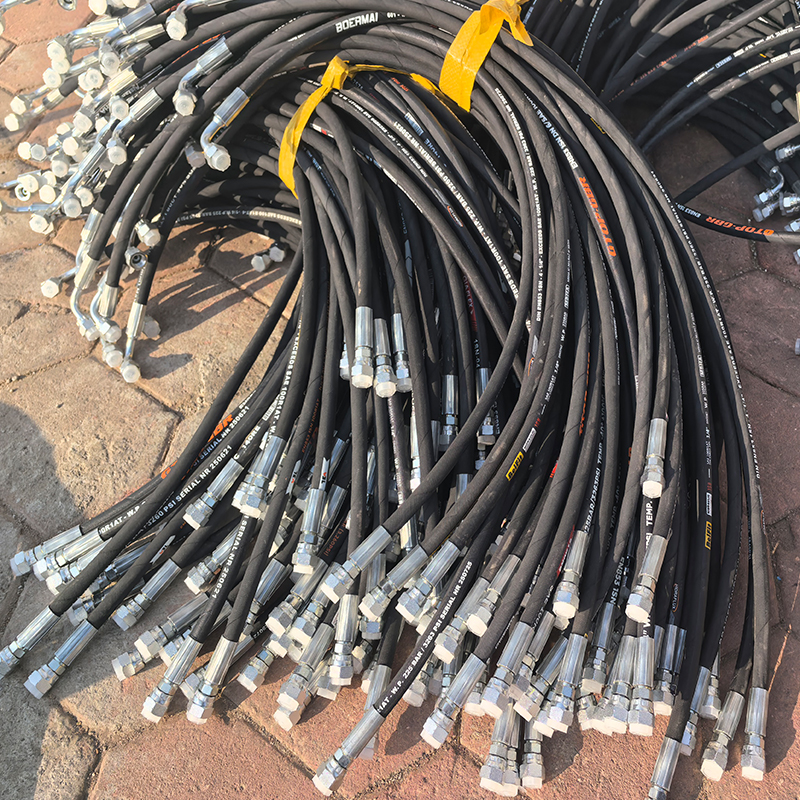 How to Create a Proactive Spiral Hydraulic Hose Replacement Plan That Prevents Downtime?
 Is Your Hydraulic System Overstressing? 5 Diagnostic Signs You Need to Upgrade to Spiral Hose
 Is Your Hydraulic System Pushing Limits? When to Specify Spiral Hose vs. Braided?
 Is Your Machinery Demanding More? Why Upgrade to a Spiral Hydraulic Hose?