
Water treatment systems are the unsung heroes of modern infrastructure, ensuring clean, safe water flows to homes, businesses, and industries. Yet, behind the scenes, even the smallest components play a critical role in maintaining efficiency and preventing contamination. Among these components, a humble yet indispensable part is the rubber plug—often referred to as a service plug. Designed to seal, protect, and facilitate maintenance, these plugs are quietly essential to the functionality of water treatment systems. Let’s explore how they contribute to the reliability and longevity of these vital systems.
Sealing Critical Connections
Water treatment systems rely on a network of pipes, valves, and chambers to filter, disinfect, and transport water. Each connection point in this network must be airtight to prevent leaks, which could lead to water loss, contamination, or system inefficiencies. Rubber plugs serve as reliable seals, creating a watertight barrier at joints, access ports, and unused outlets. Their flexibility allows them to conform to irregular surfaces, ensuring a snug fit even in aging or slightly corroded infrastructure.
For example, in municipal water treatment plants, plugs are used to seal off redundant pipes during system upgrades or repairs. Without them, water could escape into unintended areas, causing pressure drops or exposing workers to hazardous conditions. The ability of rubber plugs to withstand varying pressures and temperatures makes them ideal for both above-ground and underground applications.
Preventing Contamination During Maintenance
Maintenance is a routine yet critical aspect of water treatment system management. When technicians need to inspect or repair components, they often rely on access ports or valves that are sealed with rubber plugs when not in use. These plugs act as a physical barrier, preventing dirt, debris, or microorganisms from entering the system during downtime.
Consider a scenario where a filter needs replacement. Before technicians open the chamber, they remove the service plug to access the interior. Once the job is complete, the plug is reinserted, restoring the system’s integrity. This simple step minimizes the risk of post-maintenance contamination, which could otherwise compromise water quality. The plugs’ chemical resistance also ensures they don’t degrade when exposed to cleaning agents or disinfectants, maintaining their effectiveness over time.
Facilitating Safe and Efficient Inspections
Water treatment systems require regular inspections to identify wear, blockages, or malfunctions. Rubber plugs simplify this process by providing easy access to internal components. Unlike permanent fixtures, service plugs can be removed and reinstalled quickly, reducing downtime during inspections. Their ergonomic design often includes grips or tabs, allowing technicians to handle them without specialized tools.
In industrial settings, where water treatment systems handle large volumes or complex chemical processes, the ability to inspect chambers or sensors without dismantling entire sections is invaluable. Rubber plugs enable targeted access, helping technicians diagnose issues faster and with greater precision. This efficiency translates to cost savings and fewer disruptions for facilities relying on uninterrupted water supply.
Withstanding Harsh Chemical Environments
Water treatment often involves chemicals like chlorine, ozone, or fluoride to disinfect and condition water. These substances can corrode metals or degrade plastics over time, but rubber plugs are engineered to resist chemical wear. Their composition includes additives that enhance durability, ensuring they don’t crack, swell, or lose elasticity when exposed to aggressive substances.
For instance, in wastewater treatment plants, where acidic or alkaline byproducts are common, rubber plugs maintain their seal integrity despite prolonged chemical exposure. This resilience reduces the need for frequent replacements, lowering long-term maintenance costs. Additionally, their non-reactive nature prevents chemical interactions that could contaminate the water supply.
Supporting System Longevity Through Vibration Dampening
Water treatment systems, particularly those with pumps or motors, generate vibrations that can loosen connections or cause wear. Rubber plugs absorb some of this energy, acting as dampeners that reduce stress on pipes and fittings. By minimizing vibrations, they help prevent cracks, leaks, or component failures, extending the lifespan of the entire system.
In residential or commercial buildings with smaller-scale water treatment units, this function is equally important. Vibrations from water heaters or filtration systems can loosen seals over time, but rubber plugs provide a cushioning effect that maintains structural integrity. Their ability to adapt to movement without compromising the seal makes them ideal for dynamic environments.
Enabling Cost-Effective Repairs and Upgrades
When parts of a water treatment system need replacement, rubber plugs offer a cost-effective solution for temporary or permanent sealing. During upgrades, plugs can isolate sections of the system, allowing work to proceed without draining the entire network. This capability reduces water waste and accelerates repair timelines, which is crucial for facilities operating under strict regulatory deadlines.
For example, if a sensor in a water treatment tank requires calibration, technicians can plug the surrounding ports to prevent water flow interference. This targeted approach avoids the need for system-wide shutdowns, saving both time and resources. The reusability of rubber plugs further enhances their value, as they can be stored and deployed as needed without degradation.
Conclusion: The Unsung Guardian of Water Purity
While rubber plugs may seem like minor components, their role in water treatment systems is anything but trivial. From sealing critical connections to enabling safe maintenance, these versatile parts ensure the reliability, safety, and efficiency of water infrastructure. Their durability in harsh environments, coupled with their ability to simplify inspections and repairs, makes them indispensable to professionals across the water treatment industry.
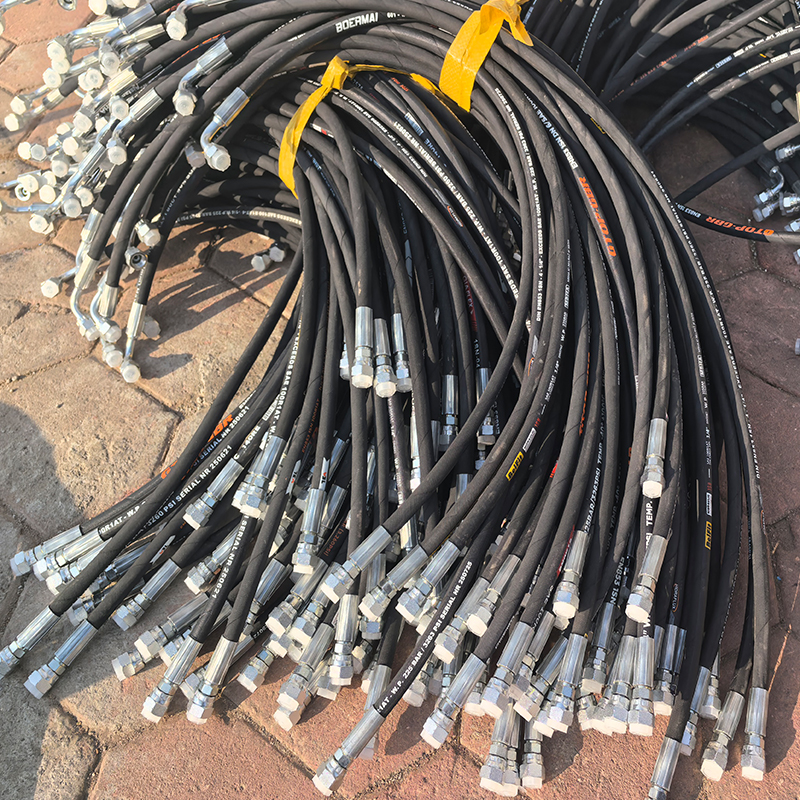 How to Create a Proactive Spiral Hydraulic Hose Replacement Plan That Prevents Downtime?
 Is Your Hydraulic System Overstressing? 5 Diagnostic Signs You Need to Upgrade to Spiral Hose
 Is Your Hydraulic System Pushing Limits? When to Specify Spiral Hose vs. Braided?
 Is Your Machinery Demanding More? Why Upgrade to a Spiral Hydraulic Hose?