
In the world of industrial and household applications, rubber plugs play a vital role in sealing, protecting, and preventing leakage. From automotive components to plumbing systems and electronic devices, these small yet essential items are relied upon for their functionality. However, ensuring the long - term durability of rubber plugs is crucial to maintain their effectiveness and avoid costly replacements. Here, we'll explore several effective strategies to enhance the durability of rubber plugs.
Selecting the Right Material
The foundation of a durable rubber plug lies in the choice of material. Different rubber compounds have distinct properties that influence their performance under various conditions. For instance, natural rubber offers good elasticity and tear resistance but may not perform well in extreme temperatures or when exposed to certain chemicals. On the other hand, synthetic rubbers like silicone rubber are known for their excellent heat and cold resistance, as well as chemical stability.
When considering the application environment, if the rubber plug will be used in a high - temperature setting, such as in an automotive engine compartment, a heat - resistant synthetic rubber would be a better option. For applications involving exposure to corrosive substances, a rubber with high chemical resistance should be selected. By carefully matching the material properties to the specific usage scenario, the initial durability of the rubber plug can be significantly improved.
Precise Manufacturing Processes
The manufacturing process has a profound impact on the quality and durability of rubber plugs. One key aspect is the molding technique. Injection molding is a widely used method that allows for precise control over the shape and dimensions of the service plug. This ensures a tight fit, which is essential for effective sealing and preventing premature wear.
Another important factor is the curing process. Proper curing, which involves the application of heat and pressure over a specific period, helps to strengthen the rubber's molecular structure. Insufficient curing can lead to a soft and weak rubber seal plug that is prone to deformation and damage, while over - curing may make the rubber brittle. Manufacturers need to carefully calibrate the curing parameters to achieve the optimal balance between flexibility and strength.
Design Considerations for Enhanced Durability
The design of a rubber plug is not just about its外观 (here, we can say "shape and form" for better English expression). Thoughtful design can greatly improve its durability. For example, incorporating reinforcing ribs or ridges on the plug can increase its structural integrity and resistance to compression and stretching forces. These features distribute the stress more evenly across the service plug, reducing the likelihood of localized damage.
The shape of the rubber seal plug should also be designed to fit the specific opening it is intended to seal. A well - designed plug will have a snug fit, minimizing the movement and friction that can cause wear over time. Additionally, the edge design is crucial. Rounded edges are less likely to catch on other objects or surfaces compared to sharp edges, which can lead to tears or cuts.
Proper Storage Conditions
Even before a rubber plug is put into use, its storage conditions can affect its durability. Rubber is sensitive to environmental factors such as temperature, humidity, and light. Exposure to high temperatures can cause the rubber to soften and degrade, while low temperatures can make it brittle. Therefore, rubber plugs should be stored in a cool, dry place, away from direct sunlight.
Humidity is another significant factor. Excessive moisture can lead to the growth of mold and mildew on the rubber surface, which can weaken the material. It is advisable to store rubber plugs in sealed containers or packaging that provides protection from moisture. Additionally, avoiding contact with chemicals during storage is essential, as some chemicals can react with the rubber and cause deterioration.
Regular Maintenance and Inspection
Once in use, regular maintenance and inspection are key to extending the life of rubber plugs. Visual inspections should be carried out periodically to check for signs of wear, such as cracks, tears, or deformation. If any damage is detected, the plug should be replaced immediately to prevent further issues.
In some applications, it may also be necessary to clean the rubber plugs regularly. For example, in plumbing systems, sediment and debris can accumulate on the plugs, affecting their sealing ability. Using a mild cleaning solution and a soft brush can help remove these contaminants without damaging the rubber.
Understanding the Application Environment
A deep understanding of the environment in which the rubber plug will be used is fundamental to improving its durability. Different environments present unique challenges. In an outdoor application, the service plug may be exposed to UV radiation from the sun, which can cause the rubber to fade and become brittle over time. In such cases, using a rubber compound with UV - resistant properties or applying a protective coating can help.
In industrial settings, the rubber seal plug may be subject to vibrations and mechanical shocks. Designing the plug with shock - absorbing features or using a more robust rubber material can enhance its ability to withstand these forces. By anticipating and addressing the specific environmental factors, the durability of rubber plugs can be significantly enhanced.
In conclusion, improving the durability of rubber plugs requires a comprehensive approach that encompasses material selection, manufacturing processes, design considerations, proper storage, regular maintenance, and a thorough understanding of the application environment. By implementing these strategies, users can ensure that their rubber plugs perform reliably over an extended period, saving time and money in the long run.
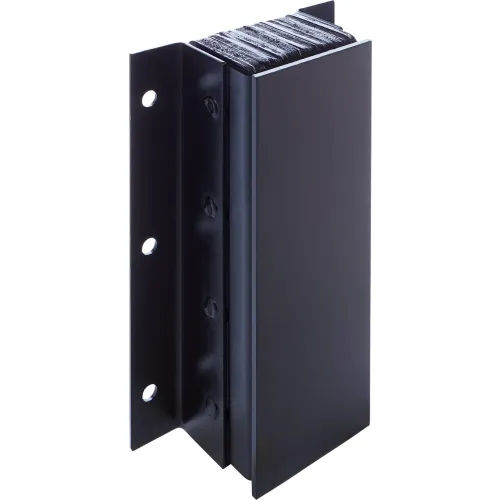 Steel-Faced Laminated Rubber Bumper: 5 Field Problems Buyers Keep Finding After Installation
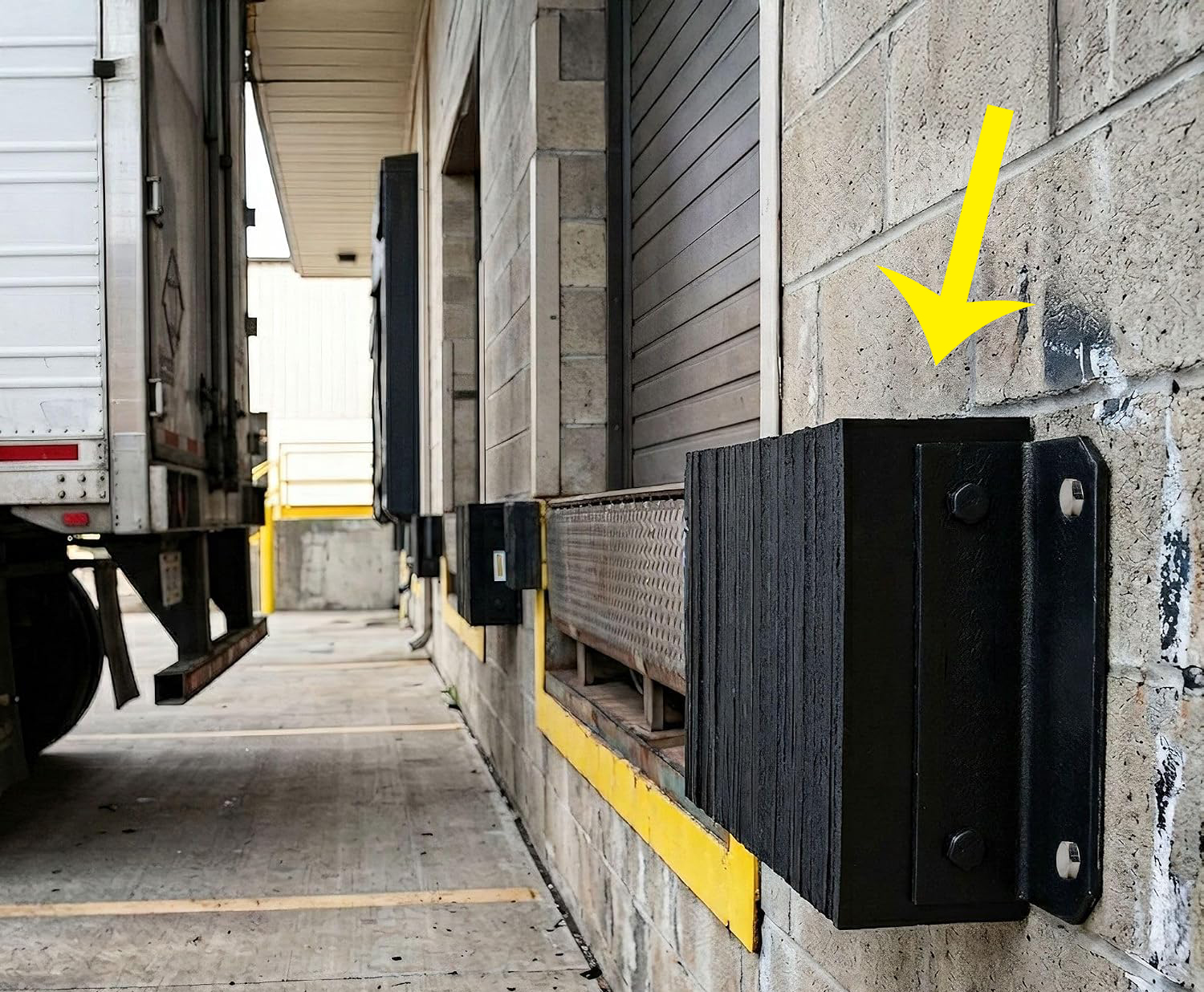 Rubber Laminated Loading Dock Bumper with Steel Angle: 5 Field Failure Signs That Point Back to the RFQ
 Bridge Bearing Pad Field Failure: 5 Visual Signs Before It Retires (And What Caused It)
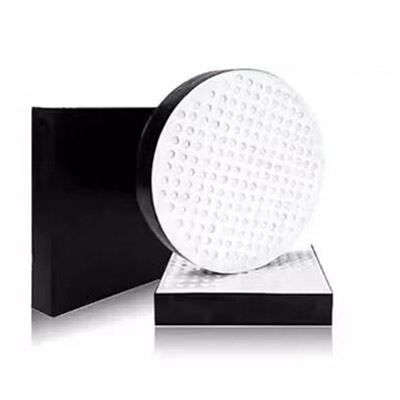 Bridge Bearing Pad RFQ Checklist: 9 Lines That Stop Suppliers From Subbing the Rubber