
When working with small pipes—whether for plumbing, automotive repairs, or DIY projects—selecting the right rubber service plug is essential to ensure a secure seal, prevent leaks, and protect internal systems. These flexible, durable plugs are designed to temporarily or permanently block pipe openings, but with countless options on the market, how do you choose the best one for your needs? This guide breaks down the key factors to consider, helping you make an informed decision without the jargon.
Understand the Purpose of Your Rubber Plug
Before browsing options, clarify why you need a rubber service plug. Are you sealing a pipe during maintenance, testing pressure, or preventing debris from entering an unused line? The plug’s intended use will influence its material, design, and durability.
For example, if you’re capping a water pipe during repairs, you’ll need a plug that withstands moisture and pressure. If the pipe will remain sealed long-term, prioritize materials resistant to aging and chemical exposure. Temporary rubber service plugs, on the other hand, might prioritize ease of installation and removal over longevity.
Match the Plug Size to Your Pipe Dimensions
A service plug that’s too small won’t seal properly, while one that’s too large may not fit or could damage the pipe. Start by measuring the pipe’s inner diameter (ID) or outer diameter (OD), depending on whether the rubber plug fits inside or over the opening.
Many rubber seal plugs are labeled with size ranges (e.g., “fits pipes ½” to 1” ID”). Use a caliper or ruler for precise measurements, and double-check the sizing chart provided by the manufacturer. If in doubt, opt for a slightly larger service plug that can be trimmed or adjusted, rather than a smaller one that’s unusable.
Consider the Material: Durability Meets Functionality
Rubber service plugs come in various materials, each suited to different environments:
Natural Rubber: Flexible and affordable, ideal for general-purpose use in low-pressure applications.
Neoprene: Resists oils, chemicals, and extreme temperatures, making it perfect for automotive or industrial settings.
Silicone: Withstands high heat and cold, offers excellent flexibility, and is safe for potable water systems.
EPDM (Ethylene Propylene Diene Monomer): UV-resistant and long-lasting, often used for outdoor or prolonged installations.
Choose a material that aligns with your pipe’s contents and environmental conditions. For instance, a silicone plug is better for hot water lines, while neoprene suits gasoline or oil-exposed pipes.
Evaluate the Plug’s Design and Shape
Rubber plugs aren’t one-size-fits-all. Their design affects how well they seal and stay in place:
Tapered Plugs: Wedge tightly into conical or irregular openings, ideal for pipes with slight variations in diameter.
Straight-Sided Plugs: Fit snugly into uniform pipes, offering a clean seal for standard applications.
Winged or Flanged Plugs: Feature extended edges for easy grip and removal, useful in tight spaces.
Threaded Plugs: Screw into threaded pipe ends, providing a secure, leak-proof fit for pressurized systems.
Consider the pipe’s shape and accessibility. A winged plug simplifies removal in cramped areas, while a threaded plug ensures stability under pressure.
Prioritize Pressure and Temperature Ratings
Not all rubber plugs handle high pressure or extreme temperatures. Check the manufacturer’s specifications for:
Pressure Tolerance: Measured in PSI (pounds per square inch), this indicates how much force the plug can withstand without leaking or failing.
Temperature Range: Lists the minimum and maximum temperatures the plug can endure without degrading.
For example, a plug rated for 150 PSI and -40°F to 250°F is suitable for most residential plumbing, while industrial applications might require higher ratings. Exceeding these limits risks blowouts or material breakdown.
Check for Ease of Installation and Removal
A service plug that’s difficult to install or remove defeats its purpose. Look for features that streamline the process:
Grip Textures: Ribbed or textured surfaces improve handling, especially with wet or oily hands.
Tool-Free Design: Some plugs expand or contract to fit, eliminating the need for wrenches or pliers.
Reusability: Durable materials allow plugs to be removed and reinstalled multiple times without losing shape.
Test the plug’s fit before finalizing your choice. It should slide in with moderate pressure and sit flush against the pipe’s edge.
Verify Compatibility with Pipe Material
Rubber plugs interact differently with various pipe materials (PVC, copper, steel, etc.). For instance:
Soft Rubber Plugs: May deform when pressed against rigid metal pipes, requiring a tighter fit.
Harder Rubber Compounds: Better suited for plastic pipes, which can crack under excessive force.
Ensure the plug’s flexibility complements the pipe’s rigidity. A mismatch could lead to leaks or damage.
Conclusion: Balance Quality and Cost
While budget matters, avoid sacrificing quality for a lower price. Cheap rubber service plugs may degrade quickly, leading to leaks or frequent replacements. Invest in a product that meets your project’s demands, whether it’s a temporary fix or a permanent solution.
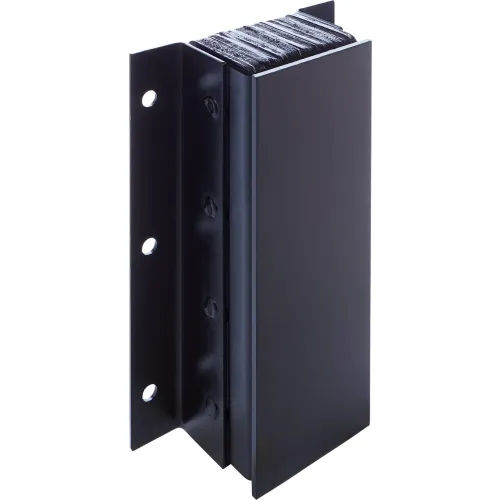 Steel-Faced Laminated Rubber Bumper: 5 Field Problems Buyers Keep Finding After Installation
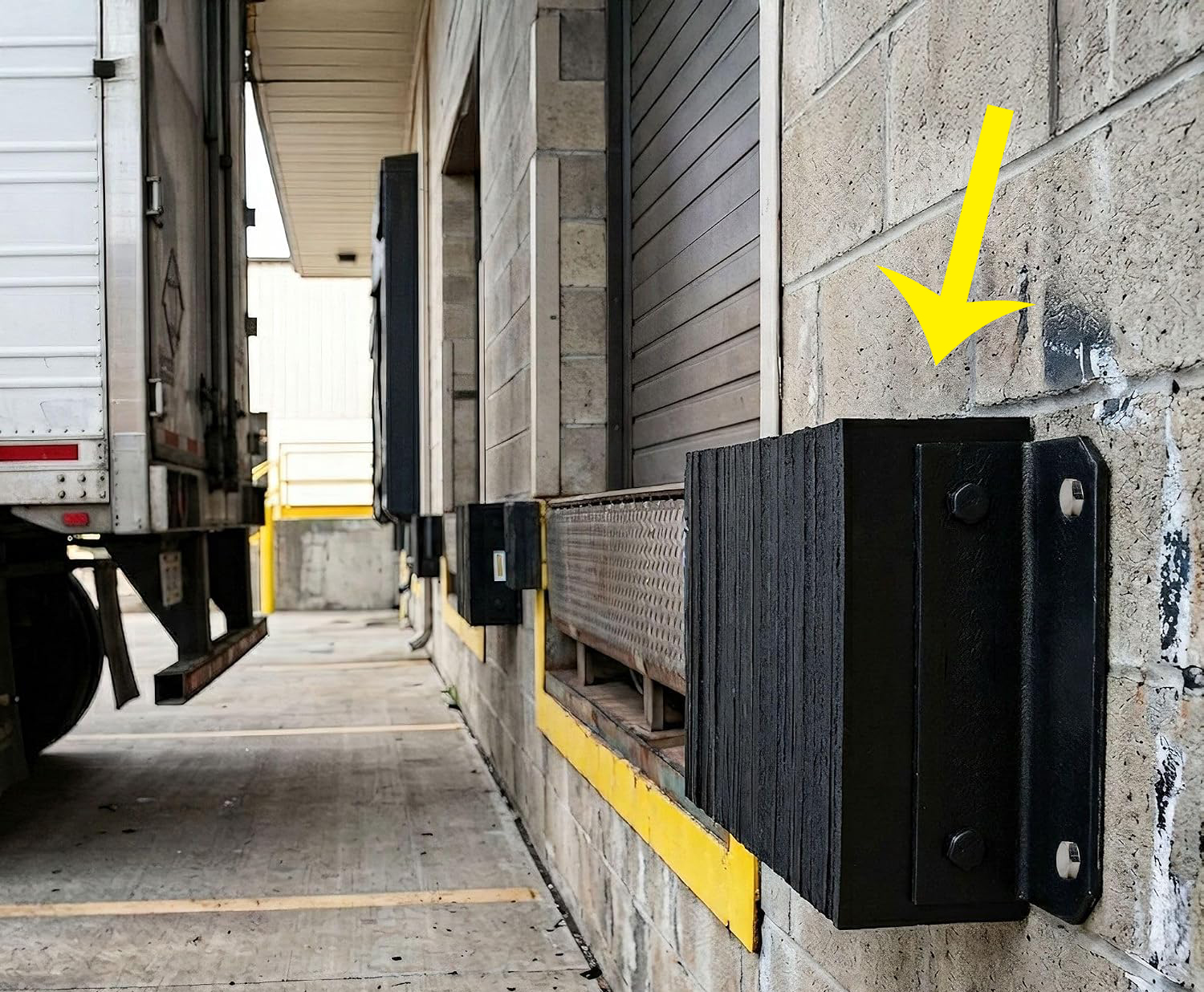 Rubber Laminated Loading Dock Bumper with Steel Angle: 5 Field Failure Signs That Point Back to the RFQ
 Bridge Bearing Pad Field Failure: 5 Visual Signs Before It Retires (And What Caused It)
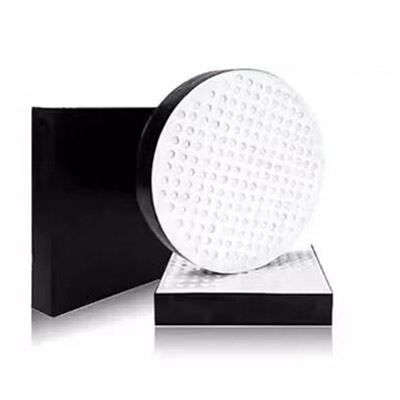 Bridge Bearing Pad RFQ Checklist: 9 Lines That Stop Suppliers From Subbing the Rubber