
When it comes to industrial components, functionality often takes center stage. However, aesthetics and practicality are not far behind, especially in industries where visual identification, safety, or branding matters. Rubber service plugs, a versatile tool used across automotive, manufacturing, and construction sectors, are no exception. One question frequently arises: Can these plbers be customized in color? The answer is a resounding yes—and the reasons behind this flexibility are as practical as they are creative. Let’s explore how color customization enhances the utility of rubber service plugs and why it’s a game-changer for businesses.
The Role of Color in Industrial Components
Color isn’t just about making a product look appealing; it serves critical functions in industrial environments. For instance, standardized color coding helps workers quickly identify components, reducing errors and improving efficiency. In automotive manufacturing, a red plug might signal a high-pressure system, while a blue one could indicate a cooling line. Similarly, in construction, vibrant colors like orange or yellow improve visibility on-site, minimizing accidents. Rubber service plugs, when available in multiple hues, become more than just functional tools—they become part of a visual language that streamlines operations.
Why Custom Colors Matter for Your Business
Businesses often seek ways to differentiate their products or processes. Custom-colored rubber service plugs offer a simple yet effective solution. Imagine a manufacturing line where each stage uses a uniquely colored service plug to denote completion or quality checks. This not only reduces confusion but also adds a layer of professionalism. For companies supplying parts to third parties, colored rubber plugs can align with a client’s branding or safety protocols, fostering stronger partnerships. Even in smaller workshops, color-coding tools and components can save time and enhance organization.
How Color Customization Works
The process of creating rubber service plugs in different colors begins with selecting the right materials. High-quality rubber compounds are mixed with pigments during manufacturing to achieve consistent, durable hues. These pigments are chosen for their resistance to fading, chemicals, and extreme temperatures, ensuring the plugs maintain their appearance and functionality over time. Advanced molding techniques allow for precise color distribution, whether the rubber seal plugs are solid, translucent, or feature multiple shades. Manufacturers can match specific Pantone codes or create custom blends to meet exact client requirements.
Applications Across Industries
The versatility of colored rubber service plugs makes them indispensable across various sectors. In the automotive industry, they’re used to seal fuel lines, hydraulic systems, or engine components, with colors indicating their purpose or pressure rating. Electronics manufacturers rely on them to protect ports during assembly or shipping, using colors to denote compatibility with different devices. In plumbing and HVAC, colored service plugs help technicians identify pipe sizes or fluid types at a glance. Even in arts and crafts, vibrant rubber plugs serve as protective caps for tools or equipment, adding a touch of personalization.
Environmental and Safety Considerations
While color customization is valuable, it’s essential to ensure that the pigments used are non-toxic and environmentally friendly. Reputable manufacturers prioritize eco-conscious materials that comply with regulations like RoHS (Restriction of Hazardous Substances) and REACH (Registration, Evaluation, Authorisation, and Restriction of Chemicals). This ensures the plugs are safe for workers and sustainable for the planet. Additionally, high-visibility colors such as neon green or orange are often used in safety-critical applications to meet OSHA (Occupational Safety and Health Administration) guidelines, reducing workplace hazards.
Choosing the Right Color for Your Needs
Selecting the ideal color for rubber service plugs depends on your specific application. For indoor environments where organization is key, neutral tones like black, gray, or white might suffice. For outdoor or low-light settings, bright colors enhance visibility. If your industry relies on color-coding systems, consult standards like ANSI (American National Standards Institute) or ISO (International Organization for Standardization) to ensure compliance. Many manufacturers also offer sample packs, allowing businesses to test colors before committing to bulk orders.
The Future of Color Customization
As industries evolve, so do the demands for customized solutions. Innovations in material science are leading to rubber compounds that can withstand harsher conditions while retaining vibrant colors. Some manufacturers are even experimenting with glow-in-the-dark or UV-reactive pigments for specialized applications. Additionally, 3D printing technology is making it easier to produce small batches of custom-colored plugs, reducing waste and costs for niche markets. The trend toward sustainability is also pushing the development of biodegradable pigments, appealing to eco-conscious businesses.
Conclusion
Rubber service plugs are far more than mundane industrial components—they’re a canvas for practicality and creativity. By offering custom colors, manufacturers empower businesses to enhance safety, efficiency, and branding. Whether it’s aligning with industry standards, improving workplace organization, or adding a splash of personality, the ability to choose from a spectrum of hues transforms these plugs into indispensable tools. As industries continue to prioritize visual communication and sustainability, the demand for colored rubber service plugs will only grow, proving that even the smallest components can make a big impact.
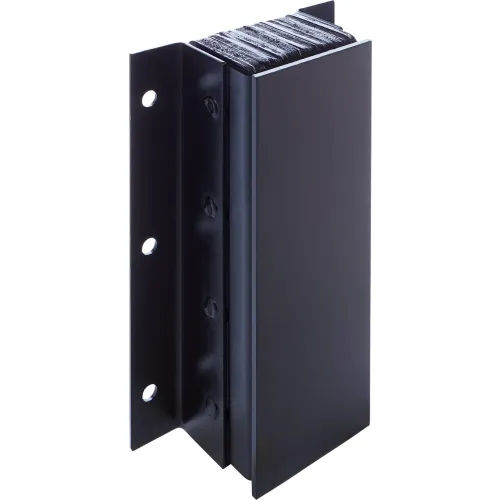 Steel-Faced Laminated Rubber Bumper: 5 Field Problems Buyers Keep Finding After Installation
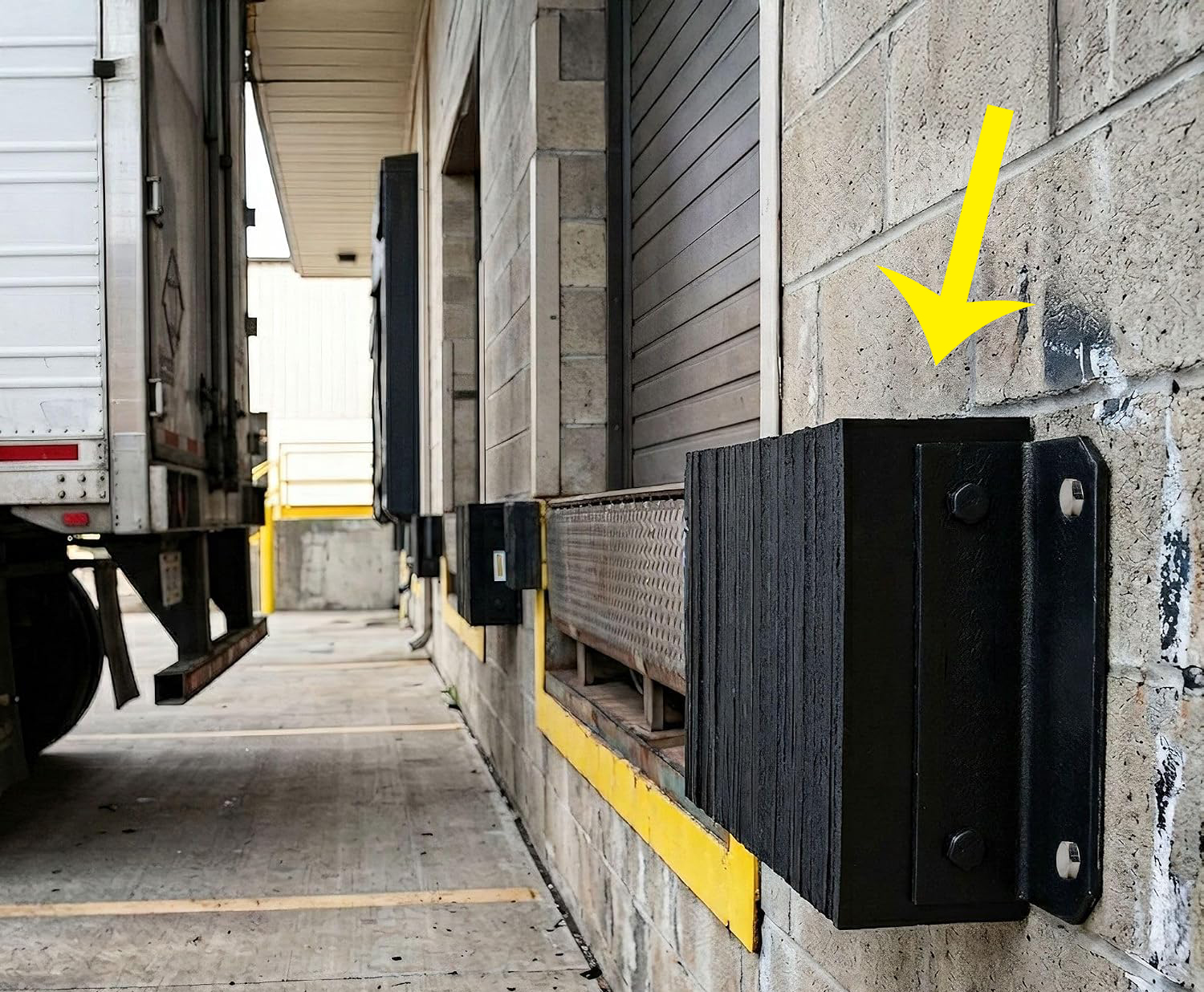 Rubber Laminated Loading Dock Bumper with Steel Angle: 5 Field Failure Signs That Point Back to the RFQ
 Bridge Bearing Pad Field Failure: 5 Visual Signs Before It Retires (And What Caused It)
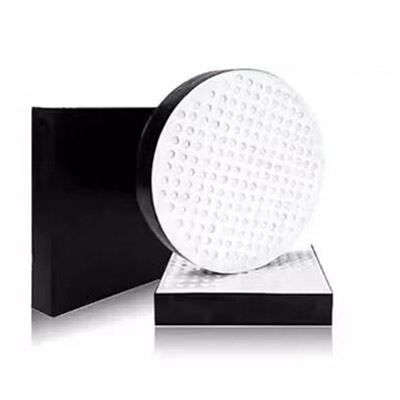 Bridge Bearing Pad RFQ Checklist: 9 Lines That Stop Suppliers From Subbing the Rubber