
When it comes to industrial components, rubber service plugs play a quietly critical role in ensuring safety, efficiency, and durability across various applications. These flexible, versatile tools are designed to seal, protect, or isolate openings in machinery, pipelines, or equipment, often in environments where temperature fluctuations, chemical exposure, or mechanical stress are common. One of the most frequently asked questions about these products is: What defines their elasticity range, and why does it matter? Let’s explore the science, applications, and benefits of understanding the elasticity of these essential components.
The Science Behind Elasticity in Rubber Components
Elasticity refers to a material’s ability to stretch, deform, and return to its original shape without permanent damage. For rubber service plugs, this property is not just a feature—it’s a foundation of their functionality. The elasticity range of a rubber plug depends on its material composition, which typically includes natural rubber, synthetic elastomers like silicone or neoprene, or blends tailored for specific environments.
Natural rubber offers excellent elasticity and tear resistance, making it ideal for general-purpose applications. Synthetic alternatives, however, provide enhanced performance in extreme conditions. For example, silicone-based service plugs retain flexibility at temperatures as low as -60°F and as high as 400°F, while neoprene resists oils and chemicals. The elasticity range is thus a balance between the material’s inherent properties and the demands of its intended use.
Why Elasticity Range Matters in Industrial Applications
The elasticity of a rubber service plug directly impacts its ability to create a secure seal. A rubber plug that’s too stiff may fail to conform to irregular surfaces, leading to leaks or contamination. Conversely, one that’s overly flexible might deform under pressure, compromising its grip. The optimal elasticity range ensures the plug can withstand compression, vibration, or thermal expansion without losing its shape.
In automotive manufacturing, for instance, rubber plugs seal openings during painting or coating processes, preventing paint from entering sensitive areas. A rubber seal plug with the right elasticity will stay firmly in place despite repeated handling or exposure to solvents. Similarly, in plumbing systems, elastic plugs temporarily block pipes during testing, ensuring air or water tightness without damaging the piping.
Temperature’s Role in Shaping Elasticity
Temperature is a key factor in determining how a rubber service plug performs. Extreme cold can cause rubber to stiffen, reducing its ability to stretch and seal effectively. High temperatures, on the other hand, may soften the material, leading to sagging or melting. The elasticity range of a service plug is therefore rated for specific temperature thresholds, ensuring reliability in diverse climates.
For example, a rubber seal plug used in a refrigeration unit must remain flexible at sub-zero temperatures, while one installed in an engine compartment must resist degradation under heat. Manufacturers often specify temperature ratings to help users select the right plug for their environment, avoiding failures that could disrupt operations or require costly repairs.
Chemical Resistance and Long-Term Durability
Elasticity isn’t just about physical flexibility—it’s also about resilience against chemicals, oils, and UV exposure. A rubber service plug exposed to harsh substances must maintain its elasticity to prevent cracking, swelling, or brittleness over time. This is particularly critical in industries like chemical processing, where plugs may come into contact with corrosive agents.
Synthetic elastomers like Viton or EPDM are engineered to resist specific chemicals, extending the lifespan of the rubber plug. A rubber seal plug with the right elasticity range will not only seal effectively but also endure repeated exposure without degrading, reducing the need for frequent replacements and lowering long-term costs.
How to Choose the Right Elasticity for Your Needs
Selecting a rubber service plug with the appropriate elasticity range involves evaluating several factors:
Application Environment: Will the hose service plug be used indoors or outdoors? In extreme temperatures or moderate conditions?
Material Compatibility: Does the rubber plug need to resist oils, chemicals, or UV rays?
Mechanical Stress: Will it face frequent compression, vibration, or impact?
Sealing Requirements: How tight does the seal need to be, and for how long?
For instance, a service plug used in a food-processing facility might prioritize FDA-compliant materials with moderate elasticity for easy insertion and removal. Meanwhile, a plug for aerospace applications might require high-temperature resistance and minimal creep under sustained pressure.
Common Misconceptions About Rubber Elasticity
One myth is that “more elastic” always means better. In reality, overstretching a plug can reduce its sealing capability or cause it to lose shape permanently. Another misconception is that all rubber plugs perform similarly across temperatures. As discussed earlier, material composition dictates how a plug responds to heat or cold, making it essential to match the plug to its environment.
A third误区 (common misunderstanding) is ignoring the role of installation method. Even a hose service plug with ideal elasticity can fail if not installed correctly, such as being forced into an opening too aggressively or at an angle. Proper handling ensures the plug’s elasticity works as intended.
The Future of Rubber Service Plug Technology
Advancements in material science are expanding the possibilities for rubber service plugs. Innovations like self-healing elastomers, which repair minor tears automatically, or smart plugs with embedded sensors to monitor pressure or temperature, are on the horizon. These developments aim to enhance durability, reduce waste, and provide real-time data for preventive maintenance.
Additionally, sustainability is becoming a priority. Biodegradable elastomers and recycled materials are being tested to minimize environmental impact without compromising performance. As industries demand greener solutions, the elasticity range of rubber plugs will continue to evolve alongside these trends.
Conclusion: Elasticity as a Cornerstone of Reliability
The elasticity range of a rubber service plug is more than a technical specification—it’s a guarantee of performance in real-world conditions. By understanding how materials, temperature, chemicals, and mechanical stress interact, users can select plugs that seal tightly, last longer, and adapt to their unique needs. Whether in manufacturing, construction, or automotive repair, the right elasticity ensures these unassuming components continue to play a vital role in keeping systems safe, efficient, and leak-free.
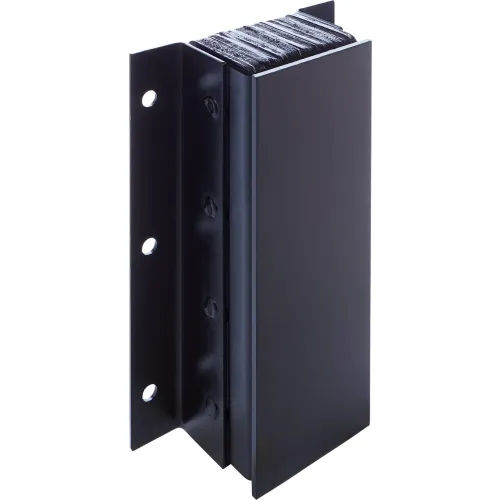 Steel-Faced Laminated Rubber Bumper: 5 Field Problems Buyers Keep Finding After Installation
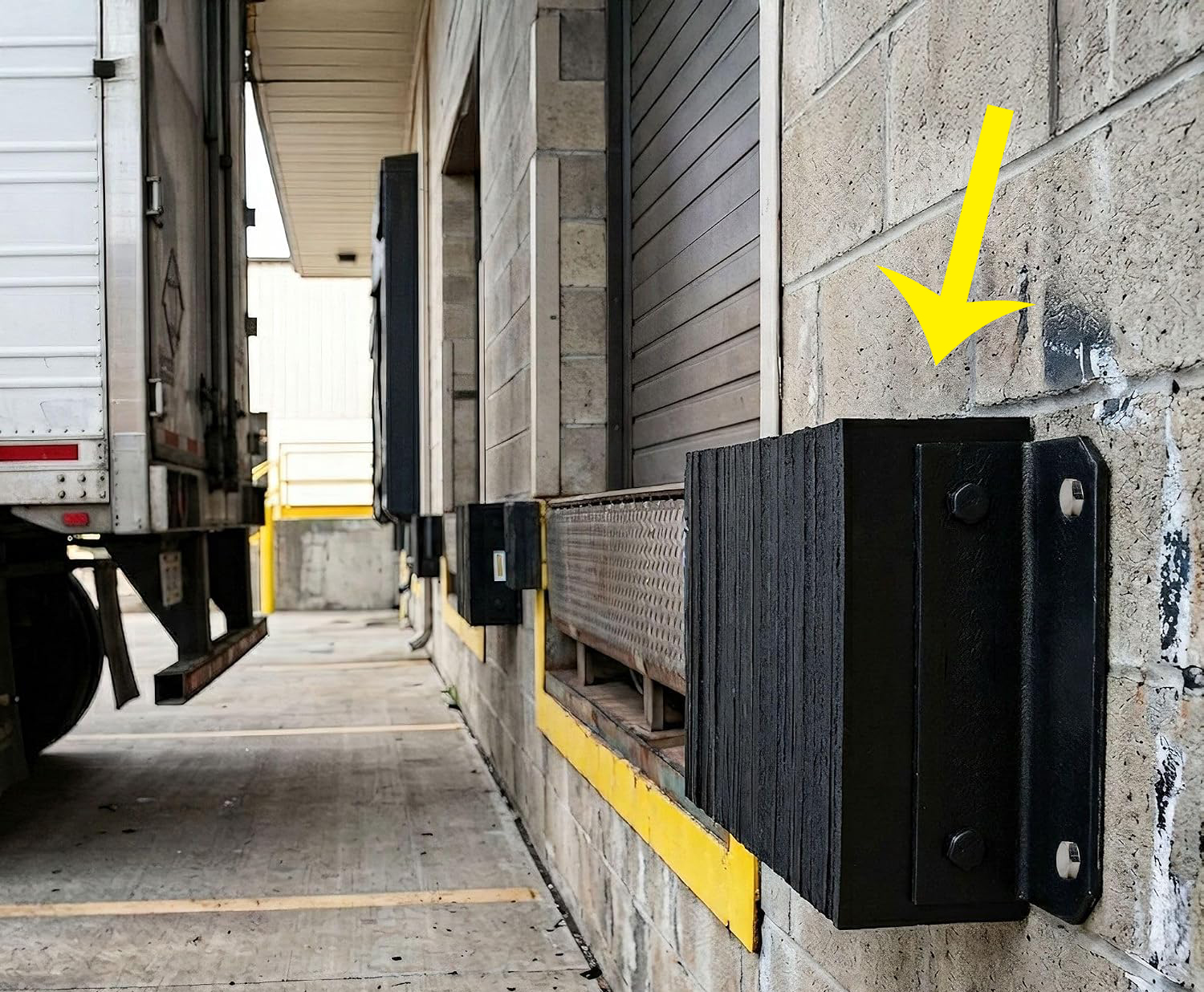 Rubber Laminated Loading Dock Bumper with Steel Angle: 5 Field Failure Signs That Point Back to the RFQ
 Bridge Bearing Pad Field Failure: 5 Visual Signs Before It Retires (And What Caused It)
 Bridge Bearing Pad RFQ Checklist: 9 Lines That Stop Suppliers From Subbing the Rubber