
When it comes to industrial and household safety, understanding the properties of everyday tools and components is crucial. One such component, often overlooked but vital in various applications, is the rubber service plug. Commonly used to seal pipes, protect threads, or block openings temporarily, these plugs raise an important question: Are they flame-retardant? This blog explores the science, applications, and safety considerations surrounding rubber service plugs, helping readers make informed decisions for their projects.
What Are Rubber Service Plugs?
Rubber service plugs are flexible, durable tools designed to fit snugly into openings, such as pipes, holes, or threaded connectors. Made primarily from synthetic or natural rubber, these plugs create airtight or watertight seals, preventing debris, moisture, or contaminants from entering systems. Their elasticity allows them to adapt to irregular shapes, making them ideal for temporary or permanent use in plumbing, automotive, construction, and manufacturing settings.
Beyond sealing, rubber service plugs serve as protective barriers during maintenance. For example, they shield pipe interiors from scratches or corrosion when equipment is disassembled. Their versatility explains why they’re a staple in workshops, factories, and even DIY home projects.
The Role of Flame-Retardancy in Safety
Flame-retardant materials are engineered to resist ignition or slow the spread of fire. In environments where heat, sparks, or flammable substances are present—such as industrial facilities, automotive repair shops, or laboratories—using flame-retardant components can prevent accidents and comply with safety regulations.
For rubber service plugs, flame-retardancy becomes critical when they’re used near electrical systems, heating elements, or chemical storage areas. A non-flame-retardant plug in such settings could melt, release toxic fumes, or exacerbate a fire. Thus, understanding whether a rubber plug meets flame-retardant standards is not just a technical detail—it’s a safety imperative.
How Is Flame-Retardancy Achieved in Rubber?
Flame-retardant rubber isn’t created by chance; it’s the result of intentional material engineering. Manufacturers typically achieve this by incorporating additives into the rubber compound during production. These additives fall into two categories:
Halogenated Flame Retardants: Historically common, these chemicals (containing chlorine or bromine) interrupt combustion reactions. However, concerns over environmental toxicity have led to stricter regulations, prompting a shift toward safer alternatives.
Non-Halogenated Flame Retardants: Mineral-based additives like aluminum hydroxide or magnesium hydroxide are now preferred. These substances release water vapor when heated, cooling the material and diluting flammable gases.
Additionally, some rubbers are inherently more flame-resistant due to their molecular structure. For instance, silicone rubber naturally withstands higher temperatures than standard synthetic rubbers. The choice of material and additives depends on the rubber seal plug’s intended use and safety requirements.
When to Prioritize Flame-Retardant Rubber Plugs
Not every application demands flame-retardant rubber plugs, but certain scenarios make them indispensable:
Electrical Systems: Plugs used near wiring or batteries should resist heat to prevent short circuits or fires.
Chemical Storage: Flammable liquids or gases require seals that won’t combust if exposed to sparks.
High-Temperature Environments: Factories, foundries, or kitchens where equipment generates significant heat.
Regulatory Compliance: Industries like aerospace, automotive, or construction often mandate flame-retardant materials for safety certifications.
Conversely, for low-risk applications like household plumbing or garden hoses, standard rubber plugs may suffice. The key is assessing the environment’s hazards before selecting a product.
Common Misconceptions About Rubber and Fire
A prevalent myth is that all rubber is naturally flame-resistant. While some rubbers (like silicone) perform better under heat, most standard synthetic or natural rubbers will burn if exposed to sustained flames. Without flame-retardant additives, rubber plugs can melt, drip, or ignite, posing risks.
Another misconception is that flame-retardant means “fireproof.” Flame-retardant materials slow combustion but don’t make a product impervious to fire. Their purpose is to provide time for evacuation or fire suppression, not to withstand direct exposure indefinitely.
How to Verify Flame-Retardant Properties
For consumers and professionals, verifying a rubber service plug’s flame-retardancy requires attention to detail:
Material Specifications: Look for descriptions mentioning flame-retardant additives or certifications like UL 94 (a common flammability standard).
Supplier Transparency: Reputable manufacturers provide data sheets outlining material properties and safety ratings.
Third-Party Testing: Independent lab results offer unbiased confirmation of a product’s performance.
If documentation is unclear, reach out to the supplier. Safety-critical applications warrant no guesswork.
Sustainability and Flame-Retardant Rubber
The shift toward eco-conscious manufacturing has impacted flame-retardant rubber production. Traditional halogenated additives, while effective, raised environmental concerns due to their persistence in ecosystems. Modern solutions focus on non-toxic, recyclable alternatives like phosphorus-based compounds or intumescent coatings (which swell to form a protective char layer).
Consumers can support sustainability by choosing products labeled as “eco-friendly” or “halogen-free,” provided they meet necessary safety standards. Balancing performance and environmental impact ensures long-term viability for both industries and the planet.
Conclusion: Making Informed Choices for Safety
Rubber service plugs are small but mighty tools, and their flame-retardant properties can mean the difference between a routine task and a hazardous incident. By understanding material science, application needs, and safety certifications, professionals and DIY enthusiasts alike can select the right service plugs for their projects.
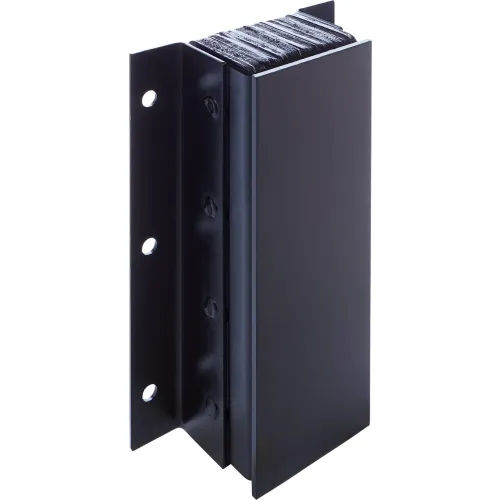 Steel-Faced Laminated Rubber Bumper: 5 Field Problems Buyers Keep Finding After Installation
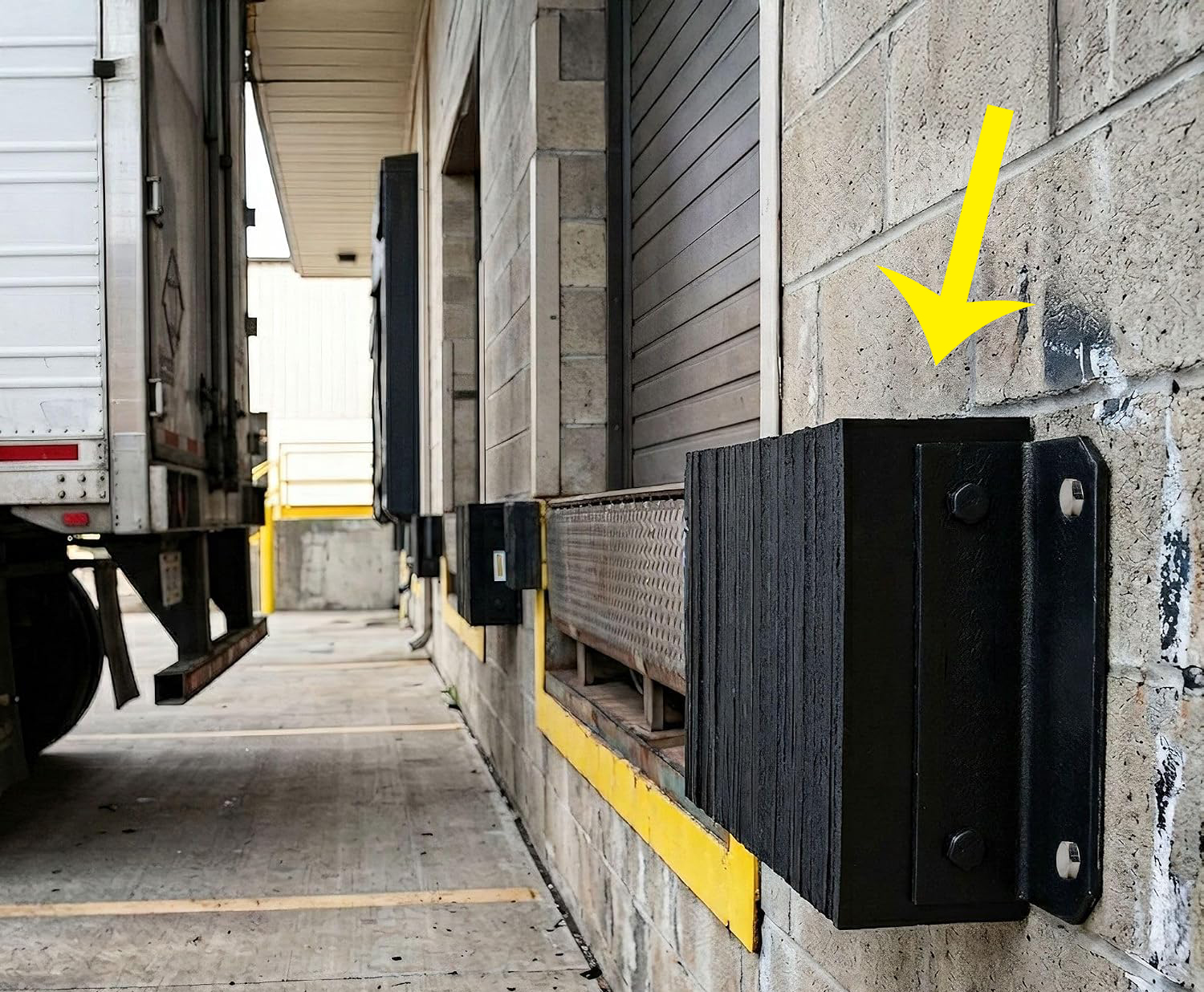 Rubber Laminated Loading Dock Bumper with Steel Angle: 5 Field Failure Signs That Point Back to the RFQ
 Bridge Bearing Pad Field Failure: 5 Visual Signs Before It Retires (And What Caused It)
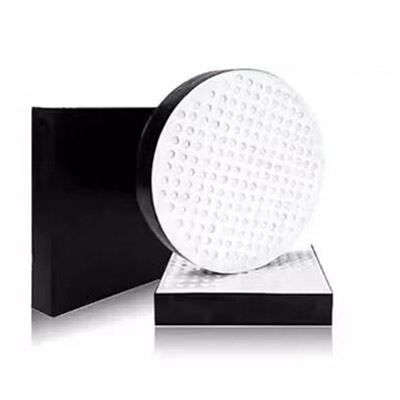 Bridge Bearing Pad RFQ Checklist: 9 Lines That Stop Suppliers From Subbing the Rubber