
In the world of industrial and mechanical applications, rubber service plugs play a crucial yet often underappreciated role. These versatile components are designed to provide a secure seal, prevent contamination, and protect various openings during manufacturing, maintenance, or storage processes. For many American businesses and professionals, one of the most common questions that arises is: Are rubber service plugs easy to install? The answer, in short, is a resounding yes, but let's delve deeper into the reasons why and explore the various aspects that contribute to their user-friendly nature.
Simple Design for Straightforward Installation
One of the primary reasons rubber service plugs are so easy to install lies in their simple yet effective design. These rubber plugs are typically crafted from high-quality rubber materials that are both flexible and durable. The shape of the service plug is usually tailored to fit snugly into a specific opening, whether it's a hole, a pipe, or a port. This precise fit ensures that once the rubber seal plug is inserted, it stays in place without the need for additional fasteners or complex installation procedures.
The flexibility of the rubber material also allows for easy insertion and removal. Unlike rigid plugs that may require forceful pushing or hammering, rubber service plugs can be gently pressed into place with minimal effort. This not only saves time during installation but also reduces the risk of damage to the surrounding components or the plug itself.
Versatility Across Different Applications
Another factor that contributes to the ease of installation of rubber service plgs is their versatility. These hydraulic rubber plugs are used in a wide range of industries and applications, from automotive manufacturing to plumbing and HVAC systems. Regardless of the specific use case, the installation process remains relatively consistent.
For example, in an automotive assembly line, rubber service plugs might be used to seal off fuel tank openings during painting or coating processes. The installation simply involves inserting the rubber plug into the opening, ensuring a tight fit, and proceeding with the next step in the manufacturing process. Similarly, in a plumbing application, these plugs can be used to block off pipes during pressure testing or maintenance. Again, the installation is straightforward and requires no specialized tools or skills.
No Need for Specialized Tools or Training
One of the biggest advantages of rubber service plugs is that they can be installed without the need for specialized tools or extensive training. Unlike some other types of hydraulic rubber plugs or seals that may require wrenches, pliers, or other tools, rubber service plugs can typically be installed by hand. This makes them ideal for situations where quick and easy installation is essential, such as in emergency repairs or on-site maintenance tasks.
Furthermore, the installation process is intuitive and can be easily learned by anyone with basic mechanical knowledge. This means that businesses don't have to invest in extensive training programs for their employees, saving both time and money in the long run.
Secure Fit for Long-Lasting Performance
While ease of installation is important, it's equally crucial that the installed service plug provides a secure and reliable seal. Rubber service plugs excel in this regard, thanks to their ability to conform to the shape of the opening they're inserted into. This conformability ensures a tight fit that prevents leaks, contamination, and other issues that could compromise the performance of the system or component being protected.
Once installed, rubber service plugs are designed to stay in place, even under pressure or vibration. This long-lasting performance means that businesses can rely on these rubber seal plugs to provide consistent protection over extended periods, reducing the need for frequent replacements or adjustments.
Easy Removal and Reusability
In addition to being easy to install, rubber service plugs are also designed for easy removal. When the time comes to remove the plug, whether it's for maintenance, inspection, or replacement, the process is just as straightforward as the installation. The flexibility of the rubber material allows for gentle pulling or prying, without the need for excessive force or specialized tools.
Moreover, many rubber service plugs are reusable, which adds to their cost-effectiveness and environmental friendliness. After removal, the hydraulic rubber plugs can be inspected for damage or wear and, if still in good condition, can be reinstalled in another opening or used for future applications. This reusability reduces waste and helps businesses save money on replacement costs.
Conclusion: A User-Friendly Solution for All Your Sealing Needs
In conclusion, rubber service plugs are indeed easy to install, thanks to their simple design, versatility, and user-friendly features. Whether you're working in automotive manufacturing, plumbing, HVAC, or any other industry that requires reliable sealing solutions, these rubber seal plugs offer a cost-effective and efficient way to protect your components and systems. With no need for specialized tools or training, a secure fit for long-lasting performance, and easy removal and reusability, rubber service plugs are the go-to choice for businesses across America.
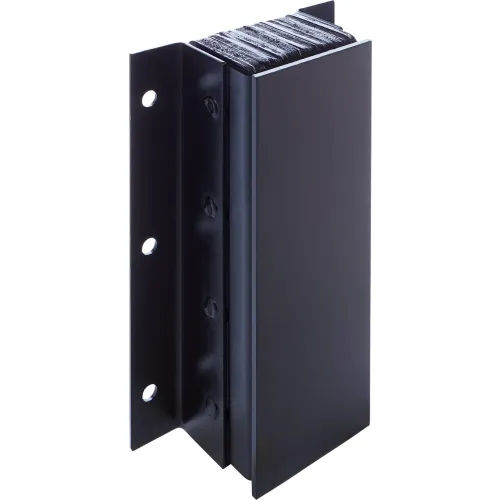 Steel-Faced Laminated Rubber Bumper: 5 Field Problems Buyers Keep Finding After Installation
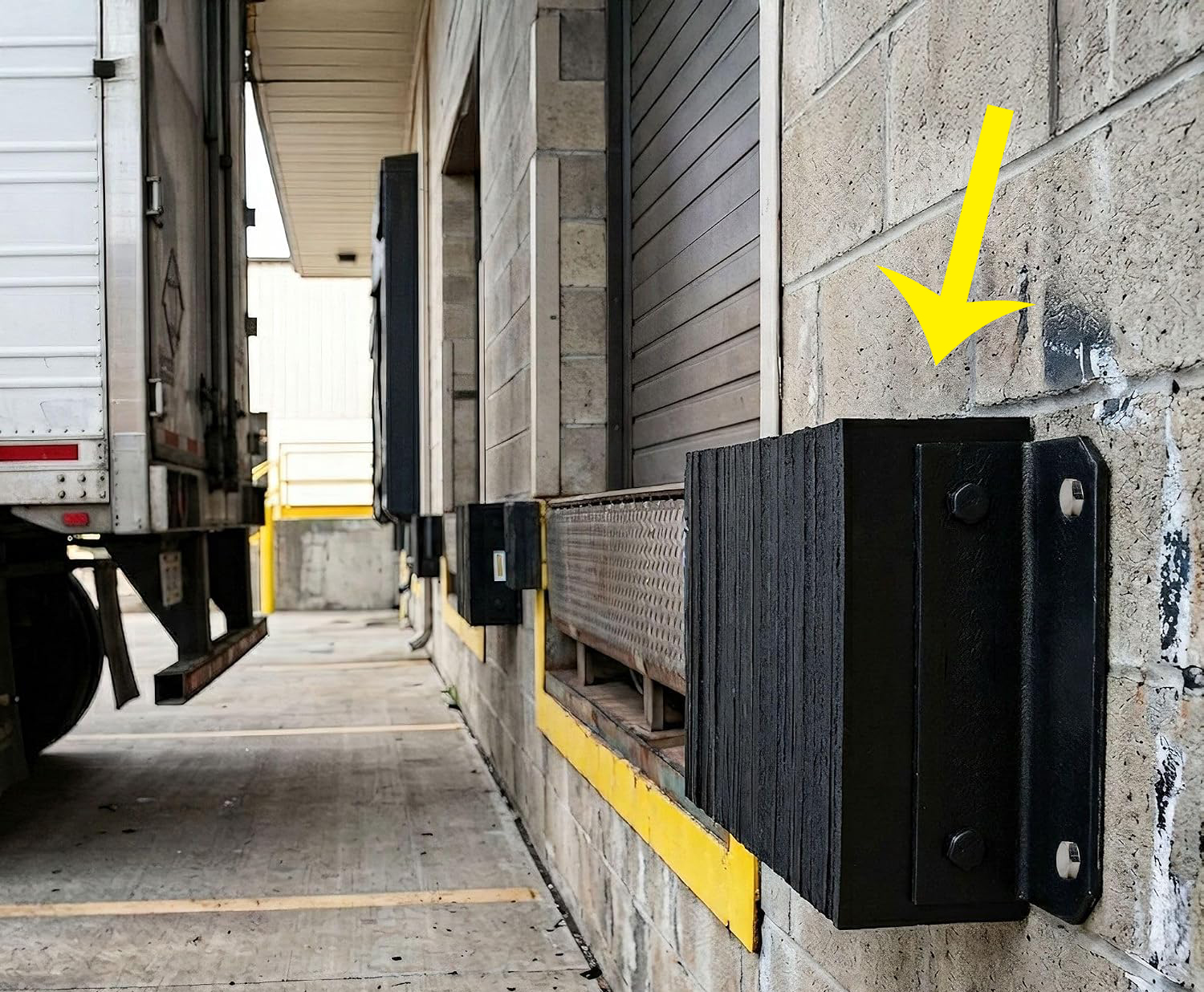 Rubber Laminated Loading Dock Bumper with Steel Angle: 5 Field Failure Signs That Point Back to the RFQ
 Bridge Bearing Pad Field Failure: 5 Visual Signs Before It Retires (And What Caused It)
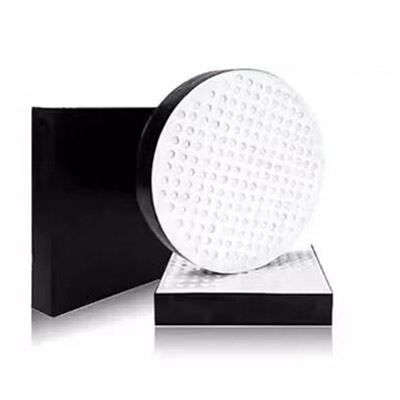 Bridge Bearing Pad RFQ Checklist: 9 Lines That Stop Suppliers From Subbing the Rubber