
For many vehicle owners, the intricacies of hub oil seals remain a mystery—until a leak or mechanical issue forces attention. These small but vital components play a critical role in maintaining the health of wheel hubs, ensuring smooth rotation and preventing contaminants from damaging internal parts. While both front and rear hub oil seals serve the same fundamental purpose, their designs and operating conditions differ significantly. This article explores these distinctions, helping drivers understand why each seal matters and how to address common problems.
The Core Function of Hub Oil Seals
Before diving into differences, it’s essential to grasp what hub oil seals do. Located at the junction of the wheel hub and axle, these seals act as barriers between lubricated internal components (like bearings) and external elements such as dirt, water, and road debris. A failing seal allows grease to escape or contaminants to infiltrate, leading to premature wear, noise, or even wheel detachment. Both front and rear seals perform this protective role, but their environments shape their design and challenges.
Structural Variations: Size and Material Considerations
One of the most noticeable differences lies in physical dimensions. Front hub oil seals are often smaller and thinner than their rear counterparts. This is because front axles typically bear less weight and torque compared to rear axles, especially in rear-wheel-drive or all-wheel-drive vehicles. Rear seals, therefore, require thicker materials—like reinforced rubber or advanced composites—to withstand higher stress and heat generated by the drivetrain.
Material composition also varies. Front seals might prioritize flexibility to accommodate steering movements, while rear seals focus on durability to resist abrasion from constant rotation under load. For example, a front seal in a sedan might use a silicone-based compound for heat resistance, whereas a rear seal in a pickup truck could incorporate nitrile rubber for superior oil retention.
Operational Conditions: Load and Temperature Extremes
The environments in which front and rear hubs operate create distinct demands. Front hubs endure dynamic loads due to steering, suspension movement, and uneven road surfaces. This constant shifting requires seals that can flex without cracking. Additionally, front brakes generate significant heat, which can degrade seal materials over time. Manufacturers often integrate heat-resistant coatings or design seals with vents to dissipate warmth.
Rear hubs, conversely, face steady, high-torque conditions, particularly in vehicles towing heavy loads or navigating steep terrain. The seals here must maintain integrity under prolonged pressure. In electric or hybrid vehicles, rear hubs might also house electric motors, adding complexity. These seals must balance electrical insulation with traditional barrier functions, a challenge less common in front hubs.
Installation Challenges: Accessibility and Alignment
Replacing hub oil seals is rarely a DIY task, but the difficulty varies between front and rear positions. Front seals are generally easier to access, as they’re often exposed after removing the wheel and brake assembly. However, steering components like tie rods or CV axles may obstruct the process, requiring specialized tools for alignment.
Rear seals pose greater hurdles. In solid rear axles, the differential housing must be disassembled to reach the seal, a labor-intensive process. Independent rear suspensions complicate matters further, as seals may be buried beneath shock absorbers or control arms. Misalignment during installation—even by a fraction of an inch—can lead to immediate leaks, making precision critical.
Symptoms of Failure: Identifying the Problem
Recognizing a failing hub oil seal early can prevent costly repairs. Front seal leaks often manifest as grease streaks on the inner edge of the tire or brake rotor. Drivers might also hear grinding noises from the front wheels, especially during turns, as contaminated bearings struggle to rotate smoothly.
Rear seal failures are subtler but equally destructive. A common sign is a pool of oil beneath the rear axle, often mistaken for differential fluid leaks. Over time, worn rear seals can cause axle bearings to seize, leading to violent vibrations or sudden wheel lockup. In all-wheel-drive systems, a compromised rear seal might trigger dashboard warning lights due to pressure imbalances in the drivetrain.
Maintenance and Replacement Strategies
Proactive maintenance extends seal lifespan. For front hubs, regular inspections during brake service can catch early leaks. Applying a thin layer of silicone grease to the seal lip during reinstallation enhances flexibility and creates a weather-tight barrier. Rear hubs benefit from periodic differential fluid checks, as low fluid levels increase heat and friction, accelerating seal wear.
When replacement is necessary, quality matters. Aftermarket seals vary widely in durability; opting for OEM-equivalent parts ensures compatibility with the vehicle’s specifications. Mechanics often recommend replacing both seals on an axle simultaneously, even if only one is leaking, to avoid repeating the labor-intensive process soon after.
Conclusion: The Unsung Heroes of Wheel Health
Front and rear hub oil seals may seem interchangeable at first glance, but their designs reflect the unique demands of their positions. From material choices to installation complexity, every detail aims to optimize performance under specific conditions. For vehicle owners, understanding these differences fosters informed maintenance decisions, whether addressing a minor leak or upgrading to high-performance seals. By treating these components as the critical safeguards they are, drivers can ensure their wheels keep turning smoothly for miles to come.
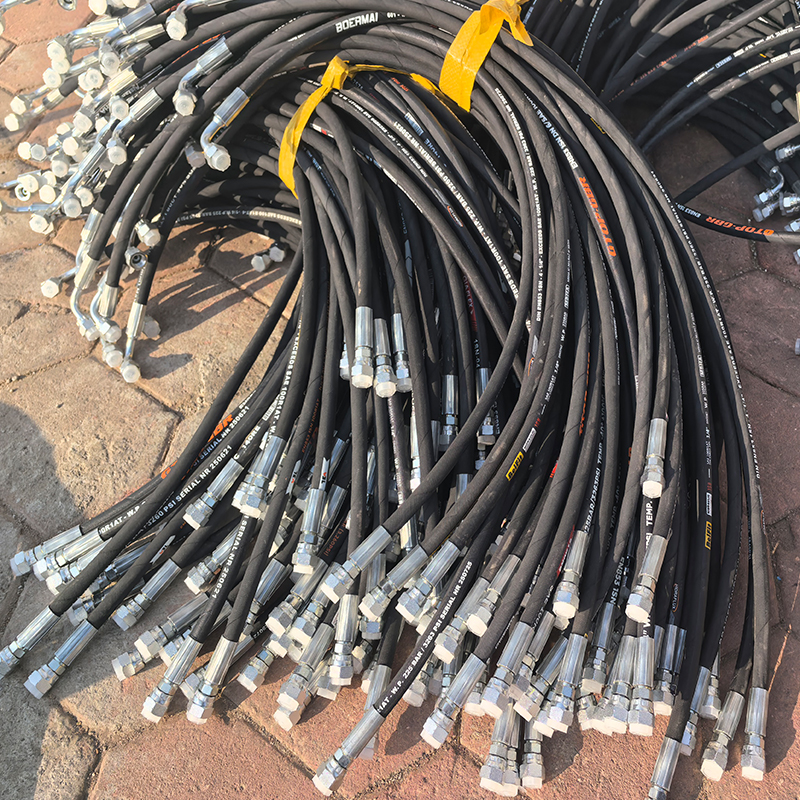 How to Create a Proactive Spiral Hydraulic Hose Replacement Plan That Prevents Downtime?
 Is Your Hydraulic System Overstressing? 5 Diagnostic Signs You Need to Upgrade to Spiral Hose
 Is Your Hydraulic System Pushing Limits? When to Specify Spiral Hose vs. Braided?
 Is Your Machinery Demanding More? Why Upgrade to a Spiral Hydraulic Hose?