
As winter approaches, vehicle owners face unique challenges in maintaining their cars, trucks, or trailers. One common yet often overlooked issue is hub oil seal leaks, which can lead to costly repairs and unsafe driving conditions if ignored. These seals, designed to keep lubricating oil inside the wheel hub assembly while preventing dirt and moisture from entering, are particularly vulnerable to cold weather. Freezing temperatures, road salt, and thermal contraction can all compromise their integrity. Below, we explore practical strategies to prevent hub oil seal leaks during winter, ensuring your vehicle stays reliable and efficient through the coldest months.
Understand the Root Causes of Winter Leaks
To tackle a problem effectively, it’s essential to understand why it occurs. Hub oil seals are made of rubber or synthetic materials that become brittle in low temperatures. This brittleness reduces their ability to flex and create a tight seal around moving parts like axles or spindles. Additionally, winter driving conditions—such as slush, ice, and salt—introduce corrosive elements that can degrade seal surfaces over time. Thermal contraction, where metal components shrink slightly in the cold, may also create gaps that allow oil to escape. By recognizing these factors, drivers can take proactive steps to mitigate risks.
Regular Inspections: Catch Problems Early
Prevention starts with routine checks. Before winter arrives, inspect your hub assemblies for signs of wear, such as cracks, tears, or discoloration on the seals. Look for grease or oil residue around the hub area, which indicates a failing seal. Pay attention to unusual noises, like grinding or whining, which may signal insufficient lubrication due to leaks. If you notice any of these warning signs, address them immediately. Replacing a worn seal before winter fully sets in is far cheaper than repairing damage caused by prolonged leaks, such as worn bearings or contaminated brakes.
Choose High-Quality Seals and Lubricants
Not all seals are created equal. When replacing hub oil seals, opt for high-grade materials designed to withstand extreme temperatures. Silicone-based seals, for example, offer better flexibility in cold weather compared to traditional rubber. Similarly, use lubricants recommended by your vehicle’s manufacturer, as some greases can harden or separate in freezing conditions, reducing their effectiveness. Proper lubrication reduces friction on the seal, minimizing wear and tear. If you’re unsure about the right products, consult a trusted mechanic or refer to your owner’s manual.
Keep Your Vehicle Clean to Protect Seals
Road salt and debris are winter’s worst enemies for hub oil seals. Salt accelerates corrosion, while gravel and ice chunks can physically damage seals during driving. To combat this, wash your vehicle regularly, paying special attention to the undercarriage and wheel wells. Use a high-pressure hose to dislodge stubborn salt deposits, and dry the area thoroughly to prevent moisture buildup. Applying a rust-inhibiting spray to exposed metal components can also extend the life of your seals and hub assembly.
Avoid Over-Tightening Hub Components
While it might seem counterintuitive, over-tightening nuts or bolts on hub assemblies can damage seals. Excessive pressure distorts the seal’s shape, creating gaps for oil to escape. Always follow the manufacturer’s torque specifications when reinstalling wheels or servicing hubs. If you’re unsure about the correct settings, use a torque wrench or seek professional assistance. This simple step can prevent unnecessary stress on seals and ensure they function as intended.
Store Your Vehicle Properly During Extended Cold Spells
If you plan to store a vehicle for weeks or months during winter, take steps to protect its hub seals. Park indoors if possible to shield the vehicle from extreme cold and moisture. Elevate the vehicle on jack stands to relieve pressure on the suspension and wheel hubs, reducing strain on seals. Before storage, apply a light coat of silicone-based lubricant to the seals to keep them supple. Finally, start the engine periodically and roll the vehicle slightly to circulate oil and prevent components from seizing.
Invest in Professional Maintenance for Peace of Mind
For those less comfortable with DIY repairs, scheduling a winter inspection with a certified mechanic is a wise investment. Professionals can identify potential issues invisible to the untrained eye, such as microscopic cracks or improper alignment. They can also perform advanced services like hub bearing packs, where fresh grease is injected under pressure to ensure complete coverage around the seal. While this costs more than a basic checkup, it provides long-term protection against leaks and premature failures.
Conclusion: Winter-Proof Your Vehicle for Safety and Savings
Hub oil seal leaks might seem minor, but they can escalate into major headaches if left unaddressed during winter. By understanding the causes, conducting regular inspections, using quality materials, and maintaining cleanliness, drivers can significantly reduce the risk of leaks. Whether you’re a daily commuter or a seasonal road-tripper, taking these precautions ensures your vehicle operates smoothly, even in the harshest conditions. Remember, a little effort now can save you from costly repairs—and dangerous breakdowns—later. Stay proactive, stay safe, and enjoy winter driving with confidence.
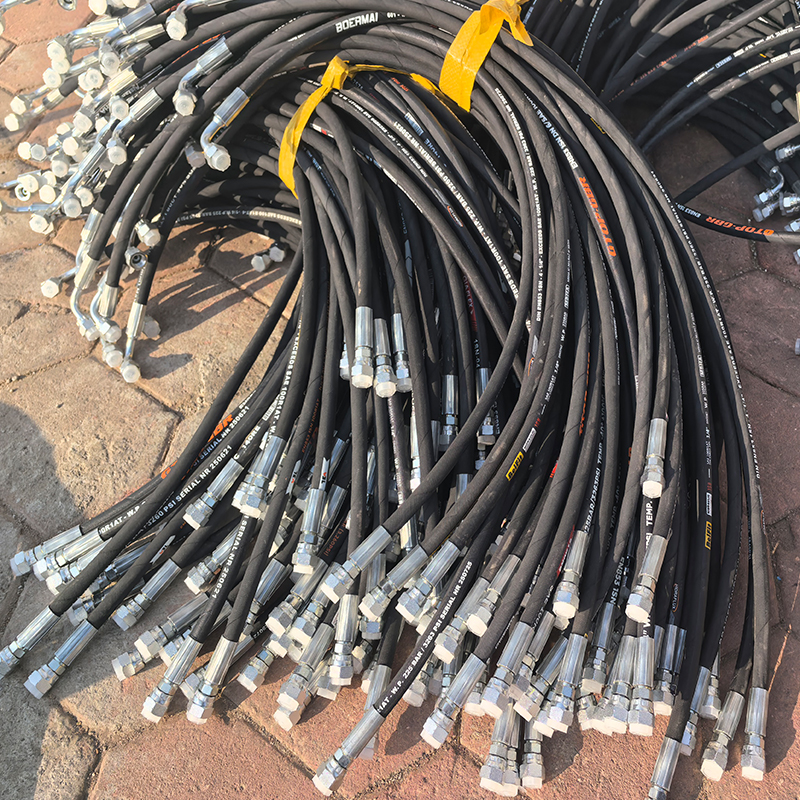 How to Create a Proactive Spiral Hydraulic Hose Replacement Plan That Prevents Downtime?
 Is Your Hydraulic System Overstressing? 5 Diagnostic Signs You Need to Upgrade to Spiral Hose
 Is Your Hydraulic System Pushing Limits? When to Specify Spiral Hose vs. Braided?
 Is Your Machinery Demanding More? Why Upgrade to a Spiral Hydraulic Hose?