
When it comes to vehicle maintenance and repair, even the smallest components play a crucial role in ensuring smooth operation and longevity. One such component that often goes unnoticed until problems arise is the hub oil seal. A common question among both seasoned mechanics and DIY enthusiasts is: Can a hub oil seal be installed backwards, and what are the consequences if it is? This article delves into the intricacies of hub oil seals, exploring their function, the implications of incorrect installation, and how to avoid common pitfalls.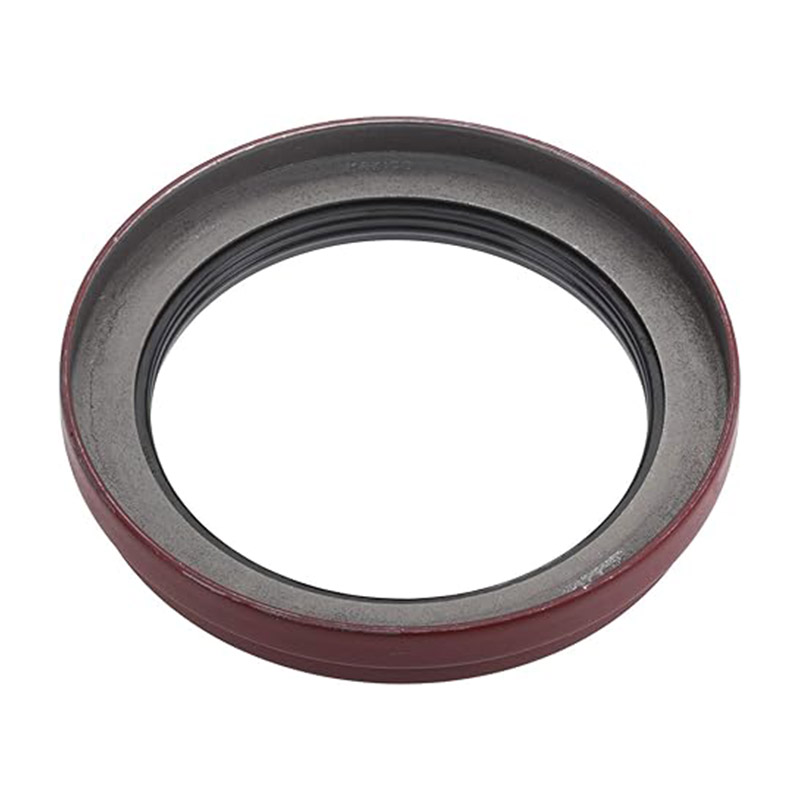
Understanding the Hub Oil Seal's Role
At its core, a hub oil seal is designed to prevent the leakage of lubricants, such as grease or oil, from the hub assembly while keeping out contaminants like dirt, water, and debris. The hub, which houses the wheel bearings, relies on a precise balance of lubrication to function efficiently. Without an effective seal, this balance is disrupted, leading to premature wear, increased friction, and potential failure of the bearing system. The seal's design typically includes a flexible lip that presses against the rotating shaft or housing, creating a barrier against leaks.
The Anatomy of a Hub Oil Seal
To grasp why installation direction matters, it's essential to understand the seal's structure. A typical hub oil seal consists of a metal casing that provides structural support and a rubber or synthetic elastomer lip that forms the actual seal. This lip is often reinforced with a spring to maintain constant pressure against the mating surface. Some seals may also incorporate additional features like dust lips or secondary seals for enhanced protection. The orientation of these components is critical; each part is engineered to work in harmony when installed correctly.
The Perils of Backward Installation
Installing a hub oil seal backwards is a mistake that can have far-reaching consequences. The most immediate effect is compromised sealing efficiency. Since the seal's lip is designed to face a specific direction to effectively block contaminants and retain lubricants, reversing it allows these elements to bypass the seal entirely. This leads to rapid degradation of the lubricant, increased heat generation due to friction, and accelerated wear on the bearings. Over time, this can result in costly repairs, reduced vehicle performance, and even safety hazards if the wheel assembly fails while in motion.
Moreover, a backward-installed seal may not seat properly within its housing, leading to uneven pressure distribution. This misalignment can cause the seal to deform or become dislodged under operating conditions, further exacerbating the leakage problem. In extreme cases, the seal's metal casing might even damage the surrounding components as it moves out of place, creating a cascade of mechanical issues.
Identifying Incorrect Installation
Detecting a backward-installed hub oil seal early can save significant time and money. Symptoms to watch out for include unusual noises emanating from the wheel area, such as grinding or whining, which indicate increased friction and bearing wear. Visible leaks around the hub assembly are another telltale sign, as is excessive heat buildup in the wheel area after driving. If left unaddressed, these symptoms can progress to more severe problems, including wheel wobble, vibration, and ultimately, wheel separation from the vehicle.
Prevention: The Key to Proper Installation
Avoiding the pitfalls of backward installation begins with careful preparation and attention to detail. Before beginning any repair or maintenance work involving hub oil seals, consult the vehicle's service manual for specific instructions and diagrams. These resources often provide step-by-step guidance tailored to your make and model, ensuring accuracy and safety.
During installation, take the time to inspect the seal for any defects or damage that could affect its performance. Ensure that the sealing surface is clean, smooth, and free from burrs or corrosion, as these imperfections can prevent the seal from seating correctly. Use the appropriate tools and techniques to press the seal into place evenly, avoiding excessive force that could distort its shape. If in doubt, seek assistance from a professional mechanic or utilize online tutorials and forums for additional guidance.
The Importance of Regular Maintenance
Even with correct installation, hub oil seals are subject to wear and tear over time. Regular inspection and maintenance are essential to prolong their lifespan and prevent unexpected failures. During routine vehicle servicing, check the seals for signs of leakage, cracking, or hardening. Replace any seals that show signs of deterioration promptly, using high-quality replacement parts that meet or exceed the original equipment specifications.
Additionally, consider the operating environment when planning maintenance intervals. Vehicles exposed to harsh conditions, such as extreme temperatures, dusty roads, or frequent off-road use, may require more frequent seal inspections and replacements. By staying proactive, you can minimize the risk of costly repairs and ensure your vehicle remains safe and reliable on the road.
In conclusion, while the question of whether a hub oil seal can be installed backwards may seem straightforward, the implications of such a mistake are anything but. Proper installation, regular maintenance, and a keen eye for early warning signs are essential to keeping your vehicle's hub assembly in top condition. By understanding the seal's role, anatomy, and the consequences of incorrect handling, you can approach this maintenance task with confidence and precision, ensuring your vehicle continues to perform at its best for years to come.
 How to Create a Proactive Spiral Hydraulic Hose Replacement Plan That Prevents Downtime?
 Is Your Hydraulic System Overstressing? 5 Diagnostic Signs You Need to Upgrade to Spiral Hose
 Is Your Hydraulic System Pushing Limits? When to Specify Spiral Hose vs. Braided?
 Is Your Machinery Demanding More? Why Upgrade to a Spiral Hydraulic Hose?