
When it comes to vehicle maintenance, certain components quietly play a pivotal role in ensuring smooth operation, safety, and longevity. One such unsung hero is the hub oil seal. Often overlooked, this small but mighty part prevents contaminants from infiltrating critical systems while retaining lubrication where it’s needed most. For American drivers navigating highways, city streets, or rugged terrains, understanding the importance of this component can save time, money, and headaches. Let’s explore why the hub oil seal is indispensable for vehicle performance.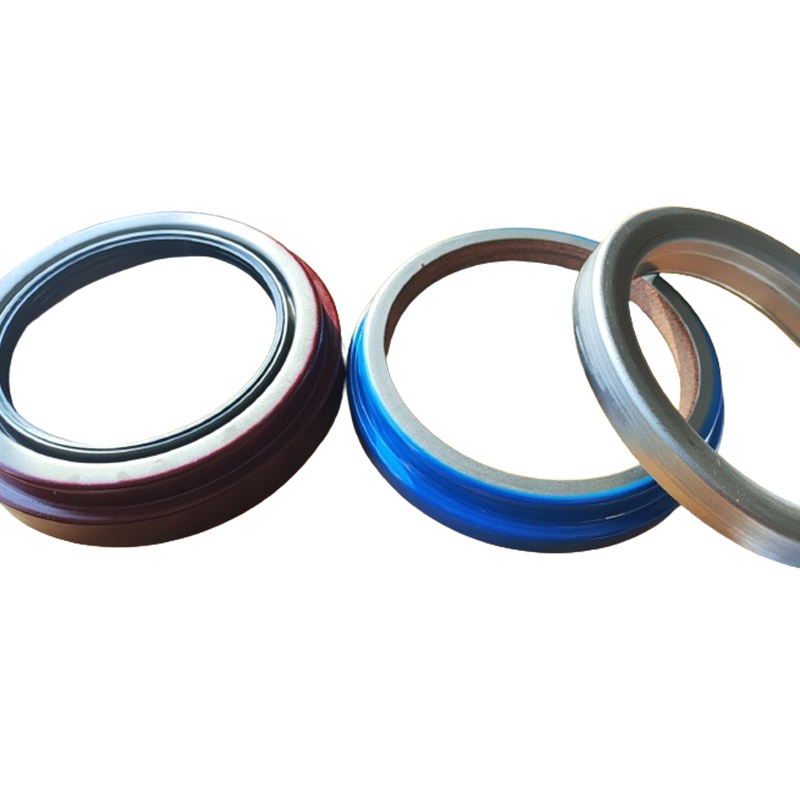
Preventing Contaminants from Wreaking Havoc
Vehicles face a relentless assault from dirt, dust, water, and road salt, especially in regions with harsh winters or coastal climates. The hub oil seal acts as a barrier, shielding the wheel hub assembly—a hub of moving parts like bearings and axles—from these destructive elements. Without this seal, abrasive particles could infiltrate the hub, causing friction, wear, and eventual failure. For example, water ingress can lead to rust, corroding metal components and compromising structural integrity. By maintaining a clean environment, the seal ensures these parts operate smoothly, reducing the risk of costly repairs or sudden breakdowns.
Retaining Lubrication for Seamless Operation
The wheel hub assembly relies on grease to minimize friction between metal surfaces. The hub oil seal plays a dual role here: it keeps this lubricant contained while preventing leaks. Over time, heat and vibration can degrade seals, allowing grease to escape. This not only creates messy stains on driveways but also accelerates wear as components grind against each other without proper lubrication. A compromised seal might also force drivers to replace grease more frequently, adding unnecessary maintenance costs. A well-functioning seal, however, preserves the ideal lubrication balance, ensuring longevity and quiet operation.
Extending the Lifespan of Wheel Bearings
Wheel bearings are among the most critical components in a vehicle’s suspension system, enabling wheels to spin freely with minimal resistance. These bearings are housed within the hub assembly and depend on the hub oil seal for protection. If the seal fails, contaminants can penetrate the bearing housing, causing pitting, scoring, or even seizure. Replacing wheel bearings is labor-intensive and expensive, often requiring specialized tools and expertise. By contrast, maintaining or replacing a worn hub oil seal is a relatively simple and cost-effective preventive measure. For drivers, this translates to fewer trips to the mechanic and more confidence on the road.
Safeguarding Against Axle Damage
In many vehicles, the hub assembly connects directly to the axle, transmitting power from the transmission to the wheels. A damaged hub oil seal can allow grease to migrate onto brake components or axles, creating a mess and reducing braking efficiency. More critically, it can permit moisture to enter, leading to axle corrosion. Over time, this weakens the axle, increasing the risk of sudden failure—a dangerous scenario at high speeds. For families, commuters, or truck owners hauling heavy loads, the hub oil seal’s role in protecting the axle cannot be overstated. It’s a small investment in safety that pays dividends in peace of mind.
Enhancing Fuel Efficiency and Reducing Noise
A vehicle operating with a faulty hub oil seal may exhibit symptoms like grinding noises, vibrations, or uneven tire wear. These issues often stem from increased friction or misalignment caused by contaminated or dry components. Over time, this strain can reduce fuel efficiency, as the engine works harder to compensate for resistance in the drivetrain. Additionally, noisy hubs can distract drivers or indicate underlying problems. By contrast, a properly sealed hub assembly ensures smooth rotation, quieter operation, and optimal fuel economy—benefits that resonate with eco-conscious consumers and budget-minded drivers alike.
Adapting to Diverse Driving Conditions
American roads vary widely, from the frozen tundras of Minnesota to the scorching deserts of Arizona. The hub oil seal must withstand these extremes, maintaining flexibility in cold temperatures and resistance to heat degradation. Modern seals are engineered with advanced materials like silicone or nitrile rubber to meet these demands, ensuring reliability across climates. For off-road enthusiasts tackling mud, sand, or water crossings, a robust seal is even more critical. It prevents debris from clogging the hub, which could otherwise lead to overheating or mechanical failure in remote areas.
The Cost of Neglect: Lessons from Real-World Scenarios
Consider the case of a pickup truck driver who ignored a minor grease leak near the wheel hub. Over months, contaminants infiltrated the bearing housing, causing catastrophic failure on a highway. The repair bill exceeded $1.500. not to mention the inconvenience of a tow truck and rental car. Contrast this with a proactive approach: regular inspections and timely seal replacements cost a fraction of that amount. Stories like these underscore a universal truth in automotive care: prevention is cheaper than repair.
Conclusion
The hub oil seal may not grab headlines like engine performance or electric vehicle innovation, but its role in vehicle health is undeniable. By protecting against contaminants, retaining lubrication, and preserving critical components, it ensures reliability, safety, and efficiency. For American drivers, investing in routine maintenance—including seal inspections—is a wise strategy to avoid unexpected downtime and extend their vehicle’s lifespan. After all, when it comes to hitting the road, every component matters, even the ones you can’t see.
 How to Create a Proactive Spiral Hydraulic Hose Replacement Plan That Prevents Downtime?
 Is Your Hydraulic System Overstressing? 5 Diagnostic Signs You Need to Upgrade to Spiral Hose
 Is Your Hydraulic System Pushing Limits? When to Specify Spiral Hose vs. Braided?
 Is Your Machinery Demanding More? Why Upgrade to a Spiral Hydraulic Hose?