
When it comes to maintaining vehicles, many drivers focus on visible components like tires or brakes but overlook smaller yet critical parts like hub oil seals. These unassuming components play a vital role in ensuring smooth operation and longevity of a vehicle’s wheel assembly. This article explores what hub oil seals are, how they function, and why they matter in everyday driving.
The Basics of a Hub Oil Seal
A hub oil seal is a specialized component designed to prevent the leakage of lubricants, such as grease or oil, from the wheel hub assembly while keeping out contaminants like dirt, water, and debris. Located where the axle shaft meets the wheel hub, this seal acts as a barrier between the rotating parts of the hub and the stationary components of the vehicle’s chassis. Typically made from durable materials like rubber, silicone, or synthetic polymers, hub oil seals are engineered to withstand extreme temperatures, friction, and environmental exposure.
Without a functioning hub oil seal, lubricants could escape, leading to premature wear of bearings and other moving parts. Similarly, external contaminants could infiltrate the hub, causing corrosion or damage. This makes the seal a small but indispensable part of a vehicle’s overall health.
How Hub Oil Seals Work
The primary function of a hub oil seal is to create a tight, flexible barrier around the axle shaft. When the wheel rotates, the seal’s lip—a precision-engineered edge—presses against the shaft, forming a dynamic seal. This lip is often reinforced with a spring or metallic insert to maintain consistent pressure, even under varying temperatures and speeds.
As the hub rotates, the seal’s design allows it to flex slightly without breaking its contact with the shaft. This flexibility accommodates minor misalignments or vibrations while preventing leaks. Additionally, some seals incorporate a dust lip or secondary barrier to catch larger particles before they reach the primary sealing surface.
The seal’s material composition also plays a role in its effectiveness. For example, rubber seals are common in moderate climates, while silicone-based seals may be used in extreme temperatures to resist cracking or hardening.
Signs of a Failing Hub Oil Seal
Like any component, hub oil seals degrade over time due to wear, heat, or exposure to chemicals. Recognizing the symptoms of a failing seal can prevent costly repairs down the line. Here are common indicators:
Grease Leaks: A visible accumulation of grease around the wheel hub or along the inside of the tire is a clear sign of seal failure.
Unusual Noises: Grinding or whining sounds from the wheel area may indicate damaged bearings due to lubricant loss.
Vibration or Wobbling: A compromised seal can allow contaminants to enter, causing uneven wear on bearings and resulting in vibrations at higher speeds.
Overheating Hubs: Insufficient lubrication from a leaking seal can lead to friction-induced heat, potentially warping components.
If these symptoms are ignored, they could escalate into bearing failure, axle damage, or even loss of wheel control. Regular inspections during routine maintenance can help catch issues early.
The Importance of Regular Maintenance
Preventative maintenance is key to extending the lifespan of hub oil seals and related components. During oil changes or tire rotations, mechanics often inspect the seals for cracks, leaks, or misalignment. Replacing a worn seal before it fails completely can save drivers from more extensive repairs, such as replacing entire hub assemblies or axles.
Additionally, using the correct type of lubricant is crucial. Some greases may degrade certain seal materials over time, so consulting the vehicle’s manual or a professional ensures compatibility. Drivers operating in harsh environments—such as off-road conditions or areas with heavy road salt—should consider more frequent inspections, as these conditions accelerate wear.
Environmental Impact and Sustainability
While hub oil seals are small, their role in preventing leaks has broader environmental implications. Lubricants that escape from faulty seals can contaminate soil and waterways, posing risks to wildlife and ecosystems. By maintaining seals properly, drivers reduce their vehicle’s environmental footprint and comply with regulations governing fluid disposal.
Manufacturers are also exploring eco-friendly materials for seals, such as biodegradable rubbers or recycled polymers, to minimize waste. These innovations align with broader industry trends toward sustainability without compromising performance.
Common Misconceptions About Hub Oil Seals
Despite their importance, hub oil seals are often misunderstood. Here are a few myths debunked:
Myth 1: Seals never need replacement.
While durable, seals are subject to wear and should be inspected periodically.
Myth 2: All seals are the same.
Seals vary in size, material, and design based on the vehicle’s make, model, and intended use.
Myth 3: Leaks are always caused by seal failure.
Sometimes, leaks result from overfilled grease cavities or damaged hub components, highlighting the need for professional diagnosis.
Understanding these nuances helps drivers make informed decisions about maintenance and repairs.
Conclusion: The Unsung Hero of Vehicle Performance
Hub oil seals may not grab headlines, but they are essential for safe, efficient, and sustainable driving. By preventing leaks, protecting against contaminants, and supporting the longevity of critical components, these seals ensure that wheels turn smoothly mile after mile. For American drivers, staying vigilant about seal health—through regular inspections and timely replacements—is a small investment that pays dividends in reliability and peace of mind.
Whether navigating city streets or rugged terrain, every vehicle relies on the quiet efficiency of its hub oil seals. Recognizing their value is the first step toward appreciating the intricate engineering that keeps America’s roads moving.
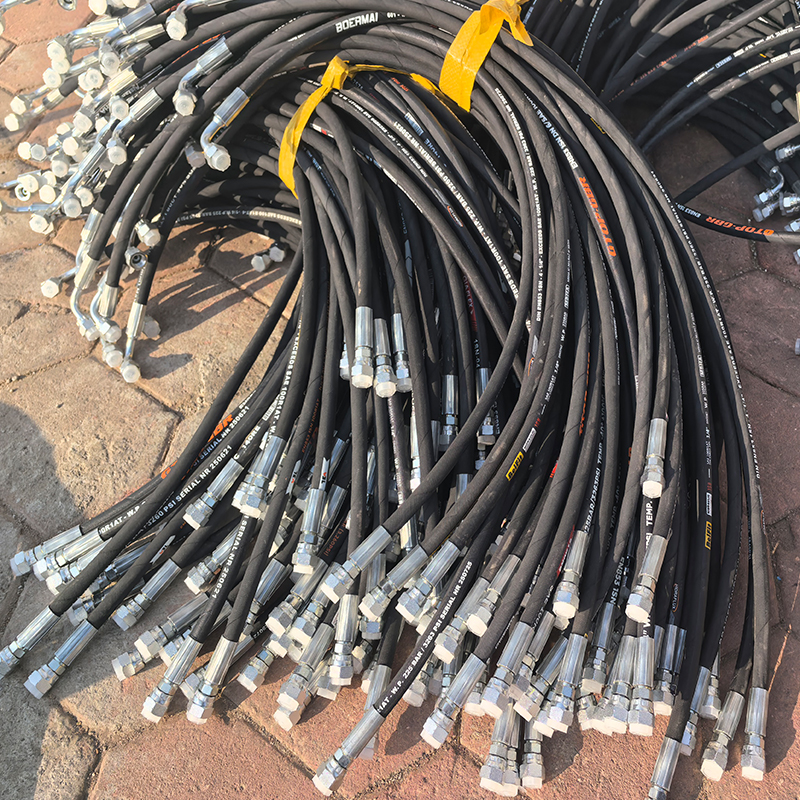 How to Create a Proactive Spiral Hydraulic Hose Replacement Plan That Prevents Downtime?
 Is Your Hydraulic System Overstressing? 5 Diagnostic Signs You Need to Upgrade to Spiral Hose
 Is Your Hydraulic System Pushing Limits? When to Specify Spiral Hose vs. Braided?
 Is Your Machinery Demanding More? Why Upgrade to a Spiral Hydraulic Hose?