
Rubber waterstops are critical components in construction, designed to prevent water leakage in concrete structures like dams, tunnels, and reservoirs. While their functional benefits are well-documented, their environmental impact is increasingly scrutinized. This article explores the eco-friendliness of rubber waterstops, focusing on material composition, durability, recyclability, and innovations aimed at reducing their environmental footprint.
Material Sourcing and Sustainability
Rubber waterstops are typically made from synthetic or natural rubber. Synthetic variants often rely on petroleum-based polymers, raising concerns about fossil fuel dependency. However, advancements in bio-based alternatives—such as rubber derived from plants like guayule or Russian dandelion—are emerging as sustainable substitutes. These materials reduce reliance on non-renewable resources and align with circular economy principles.
Natural rubber, while renewable, faces challenges related to deforestation and monoculture farming. Sustainable practices, such as agroforestry and ethical harvesting, are critical to mitigating these impacts. Some manufacturers now prioritize certified sustainable rubber to balance performance with environmental responsibility.
Manufacturing Processes and Energy Efficiency
The production of rubber waterstops involves vulcanization and molding, which consume significant energy. Innovations in low-temperature vulcanization and energy-efficient machinery are reducing carbon emissions. Additionally, recycled rubber is increasingly incorporated into waterstop formulations, diverting waste from landfills and lowering raw material demand.
Efforts to eliminate harmful additives—such as sulfur-based compounds—are also underway. Environmentally friendly vulcanizing agents and non-toxic plasticizers are being adopted to minimize pollution during manufacturing.
Durability and Longevity
A key eco-friendly attribute of rubber waterstops is their durability. High-quality variants withstand extreme temperatures (-45°C to 100°C), UV radiation, and chemical exposure, ensuring a lifespan of decades. This longevity reduces the need for frequent replacements, thereby lowering material consumption and construction waste.
Studies show that UV-resistant formulations and reinforced designs prevent premature degradation, even in harsh environments like high-altitude regions with intense sunlight. By extending service life, these innovations contribute to resource conservation.
End-of-Life Recycling and Waste Management
Recycling rubber waterstops remains challenging due to their composite nature and chemical additives. However, progress is being made in mechanical recycling—shredding used waterstops into crumb rubber for reuse in asphalt or low-grade products. Chemical recycling, which breaks down rubber polymers into raw materials, is another promising avenue.
Some manufacturers offer take-back programs to ensure proper disposal and repurposing. For instance, hydrophilic rubber waterstops containing bentonite clay can be processed to recover reusable materials, though this requires specialized facilities.
Environmental Impact Compared to Alternatives
Rubber waterstops are often compared to alternatives like PVC or cementitious seals. While PVC has a lower upfront cost, its production releases toxic chlorine compounds, and it is less recyclable. Cementitious seals, though inert, require frequent reapplications, increasing long-term resource use.
Rubber strikes a balance: it outperforms PVC in flexibility and recyclability while offering superior durability to cementitious options. Water-swelling rubber variants, which expand upon contact with moisture, further enhance eco-friendliness by reducing installation errors and material waste.
Future Trends in Eco-Friendly Design
The industry is shifting toward "green" rubber waterstops through:
Bio-Based Materials: Expanding the use of plant-derived rubbers and biodegradable additives.
Smart Manufacturing: Leveraging AI and IoT to optimize production efficiency and reduce waste.
Circular Design: Creating waterstops that are easier to disassemble and recycle.
Carbon-Neutral Certification: Adopting carbon offset programs to mitigate emissions.
Regulatory standards, such as ISO 14001 certifications, are also driving adoption of sustainable practices across the supply chain.
Conclusion
Rubber waterstops are evolving into environmentally responsible solutions through material innovation, energy-efficient production, and improved recyclability. While challenges remain—particularly in waste management—their durability and adaptability make them a viable choice for eco-conscious construction. As the industry continues to prioritize sustainability, rubber waterstops are poised to play a pivotal role in building resilient, low-impact infrastructure.
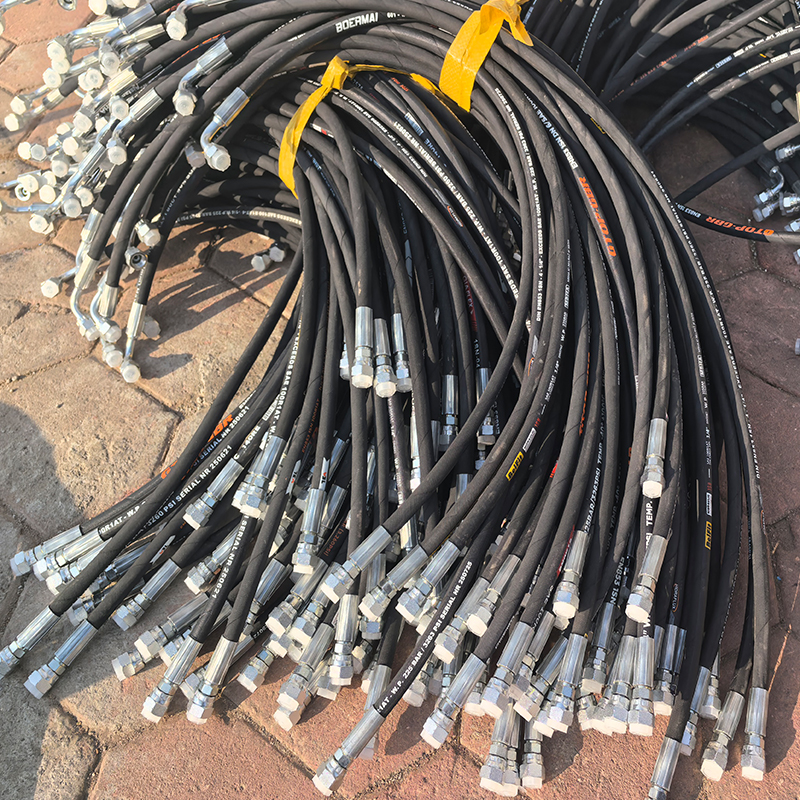 How to Create a Proactive Spiral Hydraulic Hose Replacement Plan That Prevents Downtime?
 Is Your Hydraulic System Overstressing? 5 Diagnostic Signs You Need to Upgrade to Spiral Hose
 Is Your Hydraulic System Pushing Limits? When to Specify Spiral Hose vs. Braided?
 Is Your Machinery Demanding More? Why Upgrade to a Spiral Hydraulic Hose?