
Rubber plugs are ubiquitous in various industries, serving as essential components in sealing, protecting, and insulating applications. Whether they are used in automotive parts, electrical connectors, or plumbing systems, the coating applied to these plugs plays a critical role in determining their performance, durability, and reliability. This guide aims to provide a comprehensive understanding of rubber plug coatings, covering their types, benefits, application processes, and considerations for selection.
Types of Rubber Plug Coatings
Rubber plug coatings come in a variety of materials, each tailored to specific performance requirements. Here are some of the most common types:
Silicone Coatings: Silicone is renowned for its excellent flexibility, high-temperature resistance, and chemical stability. It forms a waterproof and airtight seal, making it ideal for applications where environmental protection is crucial. Silicone coatings can withstand extreme temperatures, ranging from -60°C to 200°C, without compromising their integrity.
Polyurethane Coatings: Polyurethane offers a balance of elasticity and toughness. It is abrasion-resistant and can withstand moderate chemical exposure. This coating is often used in applications requiring both flexibility and durability, such as in automotive and aerospace industries.
Epoxy Coatings: Epoxy coatings are known for their strong adhesive properties and high resistance to chemicals and solvents. They provide excellent electrical insulation and are commonly used in electronic components to protect against moisture and environmental contaminants.
Neoprene Coatings: Neoprene is a synthetic rubber that exhibits good oil and chemical resistance. It is also flame-retardant and provides excellent weathering properties. Neoprene coatings are suitable for outdoor applications where exposure to the elements is a concern.
Nitrile Coatings: Nitrile, or NBR, is a versatile rubber coating that offers good resistance to oils, fuels, and greases. It is commonly used in automotive and industrial applications where contact with these substances is inevitable.
Benefits of Rubber Plug Coatings
The application of coatings to rubber plugs offers several advantages:
Enhanced Durability: Coatings protect the rubber from wear and tear, extending the lifespan of the plug. They act as a barrier against abrasives, chemicals, and environmental factors that could degrade the rubber over time.
Improved Sealing: A well-applied coating can enhance the sealing properties of the rubber plug. It fills in microscopic pores and imperfections on the surface, creating a tighter and more effective seal.
Chemical Resistance: Depending on the coating material, rubber plugs can be made resistant to a wide range of chemicals, acids, and solvents. This is particularly important in industrial settings where exposure to such substances is common.
Electrical Insulation: Certain coatings, like epoxy, provide excellent electrical insulation properties. This is crucial in electronic applications where the plug must prevent the passage of electrical current.
Aesthetic Appeal: Coatings can improve the appearance of rubber plugs, making them more visually appealing. This is particularly relevant in consumer products where aesthetics play a significant role in product acceptance.
Application Processes
The process of applying coatings to rubber plugs can vary depending on the type of coating and the desired outcome. Here are some common application methods:
Dip Coating: In this method, the rubber plug is immersed in a bath of coating material. The plug is then slowly withdrawn, allowing excess coating to drip off. This process ensures an even and consistent coating thickness.
Spray Coating: Spray coating involves using a spray gun to apply the coating material to the rubber plug. This method is suitable for complex shapes and areas that are difficult to reach with other methods.
Brush Coating: Brush coating is a manual process where the coating material is applied using a brush. This method allows for precise control over the coating thickness and is ideal for small or intricate parts.
Electrophoretic Coating: Electrophoretic coating, or e-coating, uses an electrical current to deposit the coating material onto the rubber plug. This method provides excellent coverage and is suitable for parts with complex geometries.
Considerations for Selection
When selecting a rubber plug coating, several factors must be considered to ensure optimal performance:
Application Environment: The coating must be able to withstand the environmental conditions in which the rubber plug will be used. Factors such as temperature, humidity, and exposure to chemicals should be taken into account.
Performance Requirements: The coating should meet the specific performance requirements of the application. For example, if the plug needs to be electrically insulating, an epoxy coating would be more suitable than a silicone one.
Compatibility: The coating must be compatible with the rubber material of the plug. Some coatings may react with certain types of rubber, leading to degradation or reduced performance.
Cost: The cost of the coating should be considered in relation to the overall cost of the product. While a more expensive coating may offer superior performance, it may not be justified if the application does not require it.
Regulatory Compliance: Ensure that the selected coating complies with relevant regulations and standards. This is particularly important in industries such as automotive and aerospace, where safety and environmental regulations are stringent.
In conclusion, rubber plug coatings play a vital role in enhancing the performance, durability, and reliability of rubber plugs across various industries. By understanding the different types of coatings available, their benefits, application processes, and selection considerations, manufacturers can make informed decisions that meet the specific needs of their applications. Whether it's providing protection against harsh environments, improving sealing properties, or enhancing electrical insulation, the right coating can make all the difference in ensuring the success of a product.
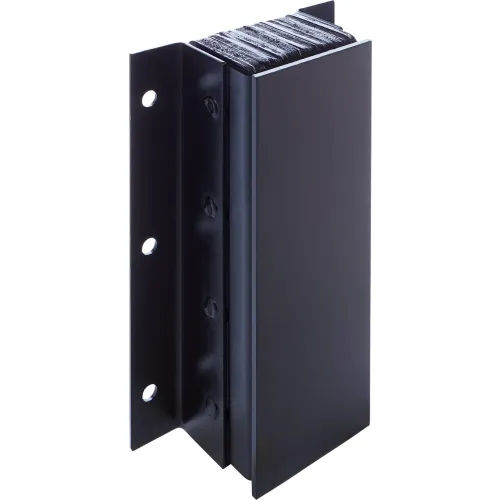 Steel-Faced Laminated Rubber Bumper: 5 Field Problems Buyers Keep Finding After Installation
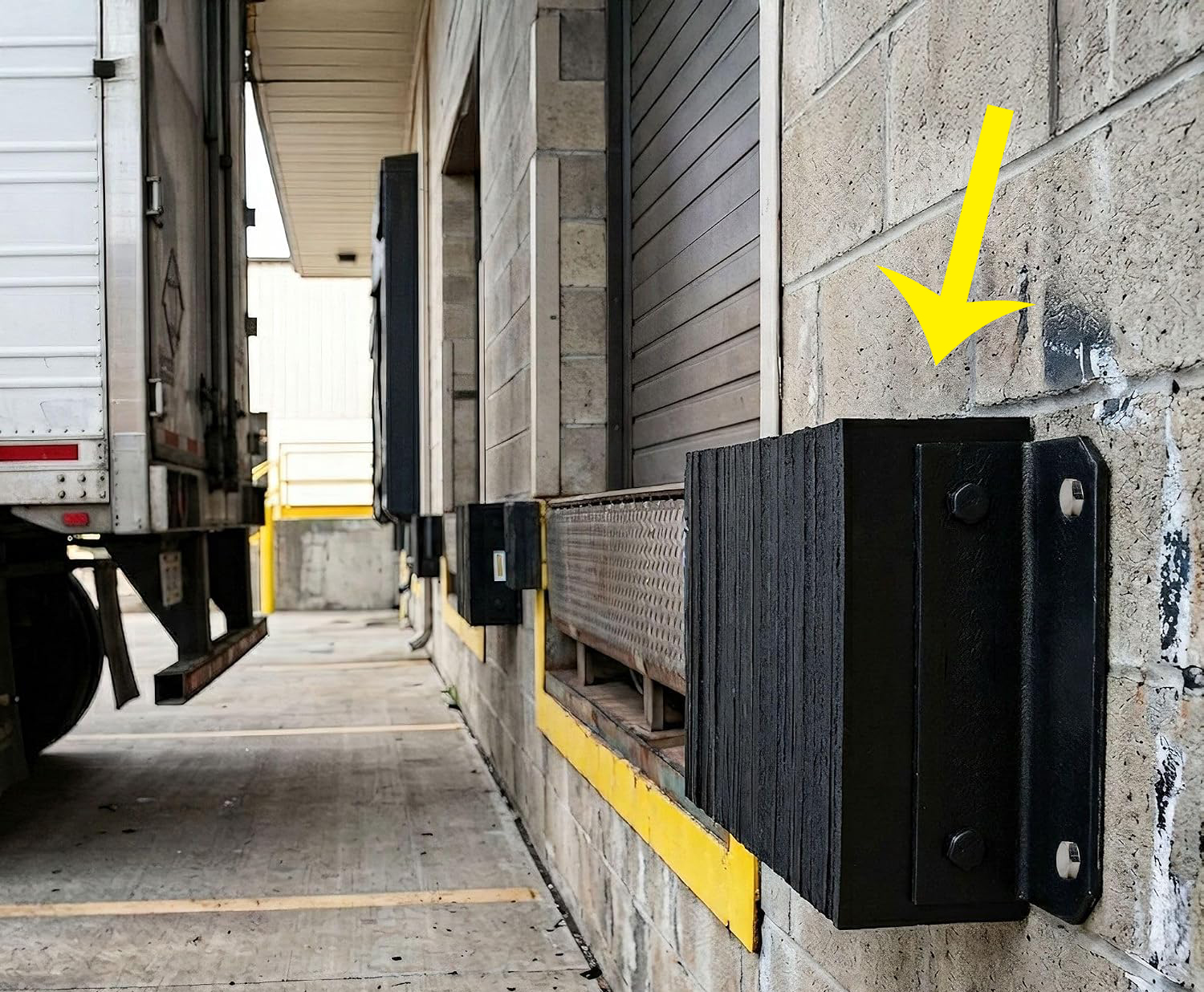 Rubber Laminated Loading Dock Bumper with Steel Angle: 5 Field Failure Signs That Point Back to the RFQ
 Bridge Bearing Pad Field Failure: 5 Visual Signs Before It Retires (And What Caused It)
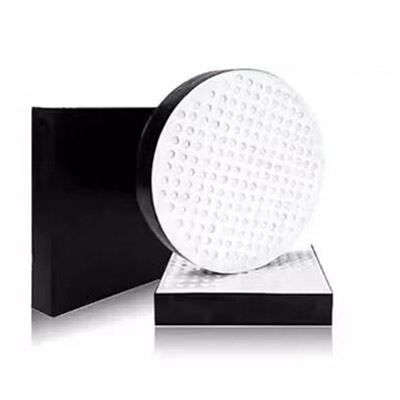 Bridge Bearing Pad RFQ Checklist: 9 Lines That Stop Suppliers From Subbing the Rubber