
In the vast realm of industrial components, rubber plugs might seem like unassuming, unremarkable items. However, their significance in various applications cannot be overstated. From sealing pipelines to protecting threaded holes during transportation, rubber plugs serve as versatile and indispensable tools. Off-the-shelf rubber plugs are readily available, but they often fail to meet the unique requirements of specialized applications. This is where customizing rubber plugs becomes essential. In this article, we will delve into the intricacies of customizing rubber plugs to cater to distinct needs, exploring the materials, design considerations, manufacturing processes, and the myriad benefits of tailored solutions.
Understanding the Importance of Customization
Standard rubber plugs are designed to fit a wide range of common sizes and shapes. While they suffice for general purposes, they may not provide the precise fit, durability, or material compatibility necessary for specific applications. Custom rubber plugs, on the other hand, are tailored to exact specifications, ensuring optimal performance and reliability. Whether it's for use in extreme temperatures, exposure to chemicals, or high-pressure environments, custom plugs can be engineered to withstand the harshest conditions.
Materials: The Foundation of Customization
The choice of material is crucial when customizing rubber plugs. Different rubber compounds offer varying levels of elasticity, resistance to wear and tear, and chemical compatibility. For instance, nitrile rubber (NBR) is known for its oil resistance, making it ideal for automotive and industrial applications where oil and grease are prevalent. Neoprene, on the other hand, exhibits excellent weather and ozone resistance, making it suitable for outdoor use.
When selecting a material, several factors must be considered:
Temperature Range: The rubber plug must maintain its properties within the operating temperature range of the application.
Chemical Exposure: The material should be resistant to any chemicals or solvents it may come into contact with.
Mechanical Stress: The plug must withstand the expected levels of pressure, tension, and compression.
Abrasion Resistance: In applications where the plug may rub against other surfaces, abrasion resistance is vital.
By carefully evaluating these factors, engineers can select the most appropriate material for the custom rubber plug, ensuring it meets the unique demands of the application.
Design Considerations: Tailoring Form and Function
The design of a custom rubber plug is as critical as the material selection. The shape, size, and features of the plug must align with its intended use. Here are some key design considerations:
Shape and Size: The plug must fit perfectly into the space it is intended to occupy. Custom shapes can be designed to match irregular or unique openings.
Sealing Properties: If the plug is intended to seal a joint or opening, the design must incorporate features that ensure a tight, leak-proof seal.
Ease of Insertion and Removal: The plug should be easy to insert and remove without causing damage to the surrounding materials.
Durability: The design must account for the expected lifespan of the plug, ensuring it can withstand repeated use and environmental factors.
Advanced design software and computer-aided manufacturing (CAM) techniques enable precise design and prototyping of custom rubber plugs. This ensures that the final product not only meets but exceeds the expectations in terms of fit, function, and durability.
Manufacturing Processes: From Concept to Reality
The manufacturing process of custom rubber plugs involves several steps, each critical to the final product's quality and performance. Here's an overview of the typical manufacturing process:
Design and Prototyping: The design phase begins with creating detailed drawings and 3D models of the custom plug. Prototypes are then produced using rapid prototyping techniques to validate the design.
Mold Making: Once the design is finalized, a mold is created. The mold is precision-machined to ensure the exact dimensions and features of the plug are replicated.
Material Selection and Preparation: The chosen rubber compound is prepared for molding. This may involve mixing additives to enhance specific properties.
Molding: The rubber compound is injected into the mold under pressure. The mold is then heated to cure the rubber, ensuring it adopts the shape of the mold.
Quality Control: After molding, the plugs undergo rigorous quality control checks to ensure they meet the specified dimensions, material properties, and performance standards.
Finishing and Packaging: The plugs are trimmed, cleaned, and inspected one last time before being packaged for shipment.
Each step in the manufacturing process is meticulously controlled to ensure the highest quality and consistency of the custom rubber plugs.
Benefits of Custom Rubber Plugs
The advantages of using custom rubber plugs are manifold:
Precision Fit: Custom plugs are designed to fit perfectly, ensuring optimal performance and reliability.
Enhanced Durability: Tailored materials and designs result in plugs that can withstand harsh environments and extended use.
Cost-Effective: While custom plugs may have a higher initial cost, their superior performance and longer lifespan can lead to significant savings over time.
Application-Specific: Custom plugs are engineered to meet the unique requirements of specific applications, ensuring they perform as intended.
Versatility: Custom plugs can be designed for a wide range of applications, from industrial machinery to consumer products.
In conclusion, customizing rubber plugs to meet unique needs is a highly specialized process that involves careful consideration of materials, design, and manufacturing processes. By tailoring rubber plugs to exact specifications, engineers can ensure optimal performance, durability, and reliability in a wide range of applications. Whether it's for sealing, protecting, or insulating, custom rubber plugs play a vital role in ensuring the smooth operation of machinery, equipment, and devices across various industries. As technology advances, the capabilities of custom rubber plug manufacturing will continue to evolve, enabling even more innovative and effective solutions in the future.
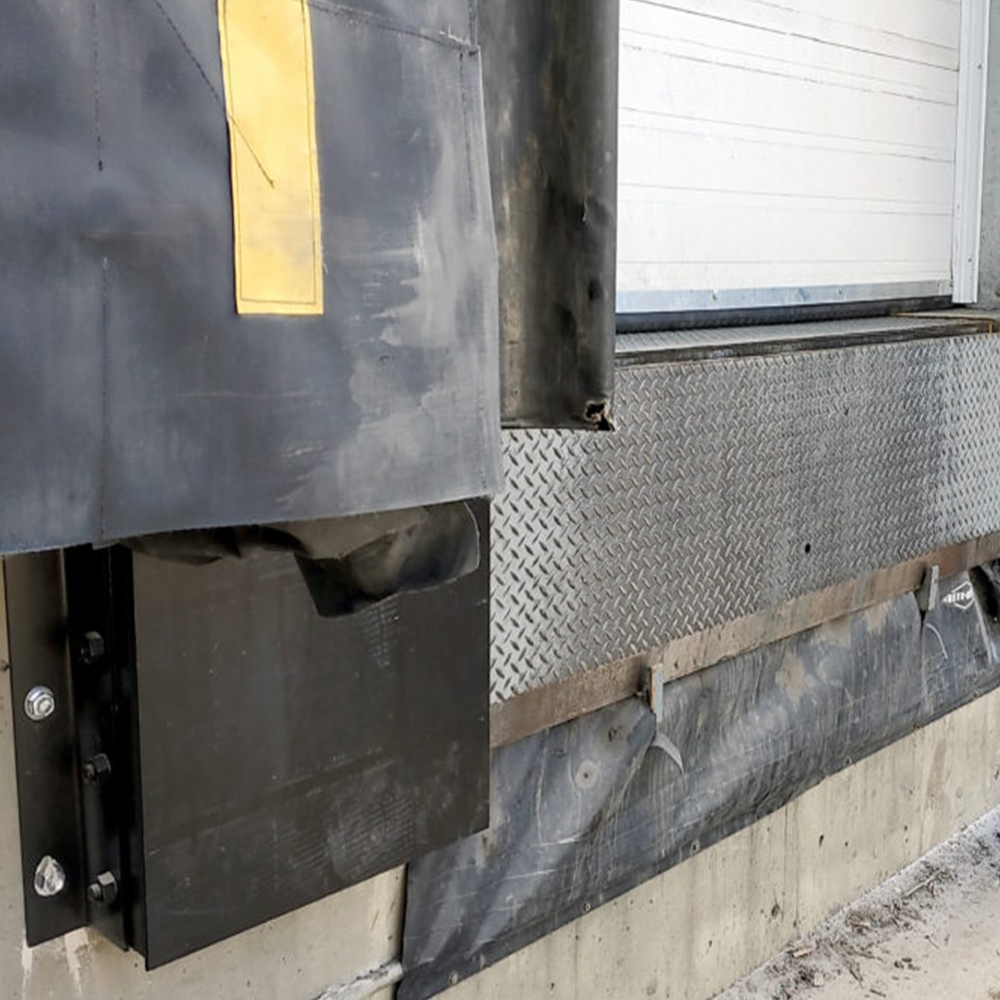 Is Your Dock Bumper Costing You in Hidden Downtime? How a Steel Face Dock Bumper Keeps Operations Running
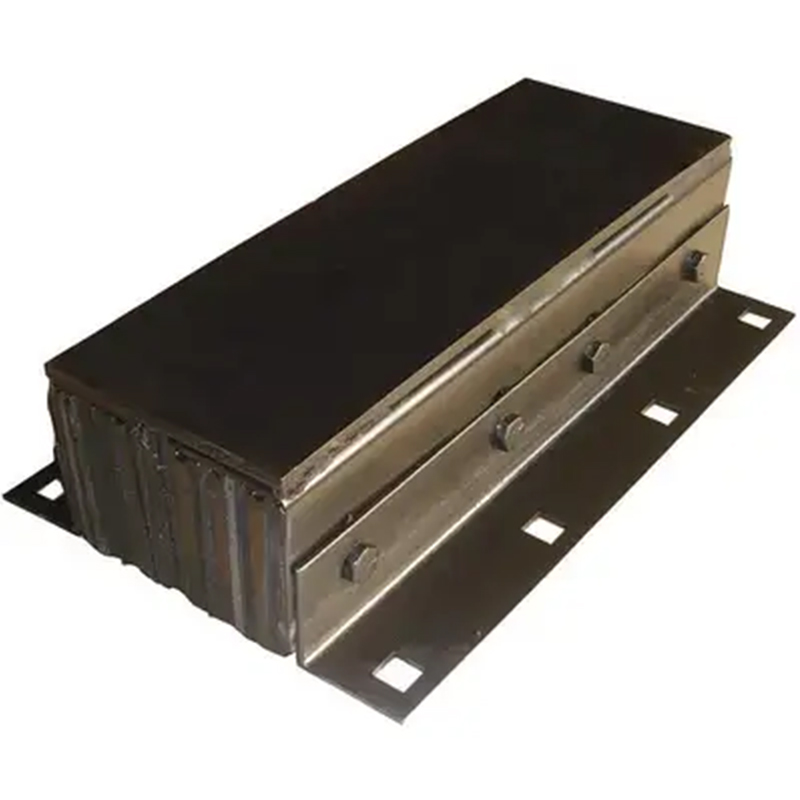 Why Do Air-Ride Trailers Destroy Plain Rubber Pads? Should You Switch to a Steel Face Dock Bumper?
 Are Your Dock Bumpers Creating a Safety Hazard for Forklift Drivers? How a Steel Face Dock Bumper Improves Workplace Safety
 Is Your Current Bumper Costing You in Hidden Downtime? Why a Steel Face Dock Bumper Is the Fix