
Rubber plugs, though seemingly mundane and unassuming, play an integral role in our daily lives. These small, versatile items are ubiquitous in various settings, from household use to industrial applications. Their utility lies in their ability to seal, protect, and insulate, making them indispensable in numerous contexts. In this article, we will explore the diverse applications of rubber plugs and shed light on their significance in everyday life.
One of the most common applications of rubber plugs is in the realm of plumbing. Whether it's stopping a sink drain to prevent water from flowing out or sealing a pipe to avoid leaks, rubber plugs are the go-to solution. In bathrooms and kitchens, sink plugs are essential for filling basins with water for washing dishes, shaving, or performing other tasks that require a static water level. These plugs are designed to fit snugly into the drain opening, creating a watertight seal that effectively traps water inside the basin.
Moreover, rubber plugs are used in plumbing repairs and maintenance. When a pipe or a fitting develops a leak, a rubber plug can serve as a temporary fix until a permanent repair is made. Plumbers often carry a variety of rubber plugs in different sizes to accommodate various pipe diameters. These plugs can be quickly inserted into the leaky section of the pipe, providing an immediate seal that prevents water from escaping and causing damage.
Beyond plumbing, rubber plugs find extensive use in electrical and electronic applications. In the construction industry, they are employed to seal electrical outlets and switch boxes during the initial stages of building. This sealing process protects the internal wiring from moisture, dust, and debris, ensuring that the electrical systems remain intact and functional. Once the construction is complete and the outlets are ready for use, the rubber plugs are removed, leaving behind a clean and secure electrical connection.
In the automotive sector, rubber plugs are crucial components in maintaining the integrity of various systems. They are used to seal oil and transmission fluid pans, preventing leaks that could lead to significant engine damage. Additionally, rubber plugs are utilized in tire valves to maintain proper tire pressure. These small plugs ensure that the valve stems remain sealed, preventing air from escaping and keeping the tires inflated to the recommended pressure levels.
Rubber plugs also play a vital role in the packaging industry. They are often used to seal bottles, jars, and other containers to preserve the freshness and integrity of the contents. For instance, in the food and beverage industry, rubber plugs are employed to seal jars of pickles, jams, and sauces, ensuring that they remain airtight and free from contamination. Similarly, in the pharmaceutical industry, rubber stoppers are used to seal vials containing medications, protecting them from moisture and maintaining their potency.
In the realm of outdoor and recreational activities, rubber plugs are indispensable. They are commonly used in outdoor equipment such as camping gear, boating accessories, and sports equipment. For example, rubber plugs are used to seal the drainage holes in tents, preventing water from seeping inside during rainy weather. In boats, they are used to seal various openings and fittings, ensuring that the vessel remains watertight and safe for navigation.
Furthermore, rubber plugs are utilized in the manufacturing of musical instruments, particularly woodwind and brass instruments. In these instruments, rubber plugs are used to seal the tone holes, allowing musicians to produce the desired pitch and tone. The precise fit and sealing capabilities of rubber plugs make them ideal for this application, as even the slightest air leak can affect the sound quality.
Rubber plugs also find their place in the field of science and research. In laboratories, they are used to seal test tubes, flasks, and other glassware, preventing contamination and preserving the integrity of the samples being analyzed. These plugs are often made from materials that are resistant to chemicals and solvents, ensuring that they do not react with the contents of the glassware.
In the aerospace industry, rubber plugs are critical components in the construction and maintenance of aircraft. They are used to seal various openings and fittings in the aircraft's structure, ensuring that the fuselage remains airtight and safe for flight. The high-performance nature of these plugs, combined with their ability to withstand extreme temperatures and pressures, makes them ideal for aerospace applications.
Rubber plugs are also employed in the construction of buildings and infrastructure. They are used to seal joints and gaps in concrete structures, preventing water infiltration and moisture-related damage. In bridges, tunnels, and other civil engineering projects, rubber plugs play a crucial role in maintaining the structural integrity and longevity of these structures.
In addition to their functional applications, rubber plugs can also be used for creative purposes. DIY enthusiasts and craftspeople often incorporate rubber plugs into their projects, using them as stoppers for homemade containers, decorative elements, or even as components in unique art installations. The versatility and adaptability of rubber plugs make them a valuable resource for those looking to add a touch of creativity to their work.
In conclusion, rubber plugs are an essential part of our everyday lives, serving a multitude of purposes across various industries and applications. From plumbing and electrical work to automotive and aerospace, these unassuming little items play a critical role in ensuring the functionality, safety, and efficiency of numerous systems and structures. Their ability to seal, protect, and insulate makes them indispensable in modern life, and their versatility and adaptability continue to expand their range of applications. As technology advances and new materials are developed, the role of rubber plugs in our daily lives is likely to grow, further cementing their status as a staple of modern engineering and design.
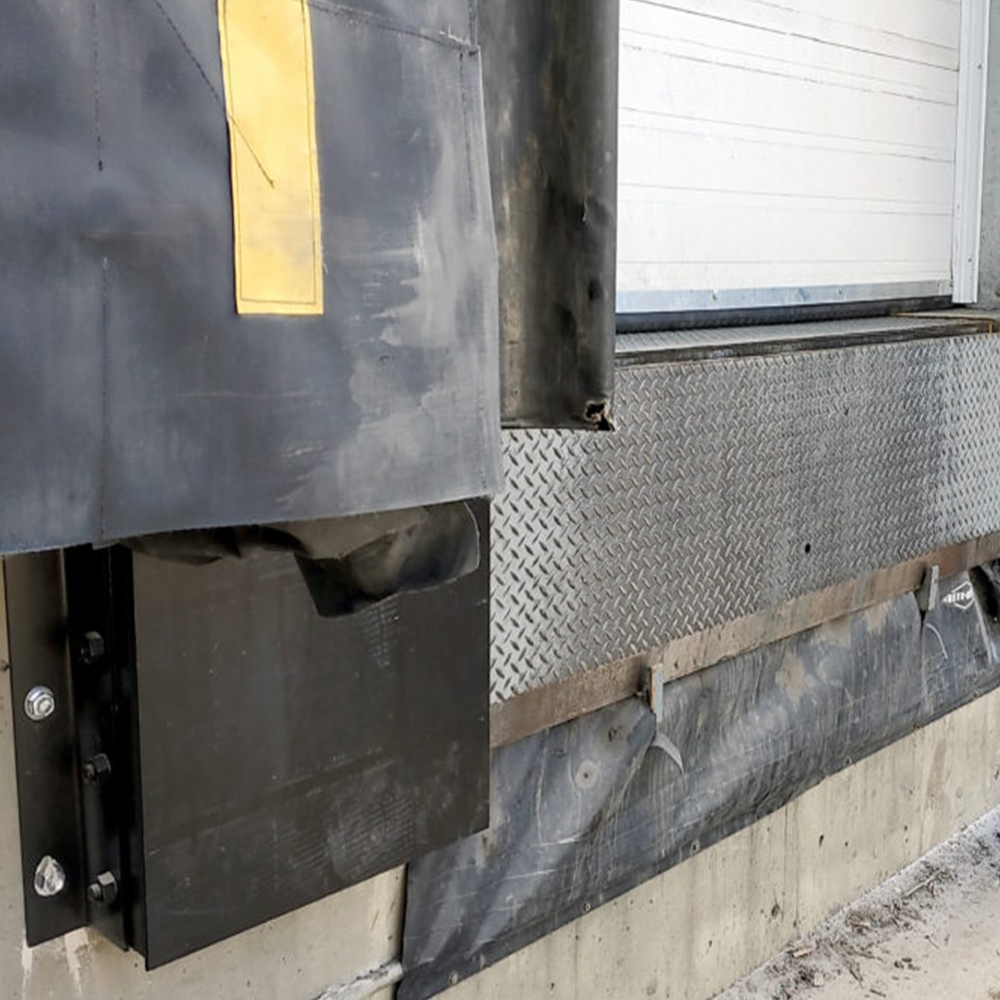 Is Your Dock Bumper Costing You in Hidden Downtime? How a Steel Face Dock Bumper Keeps Operations Running
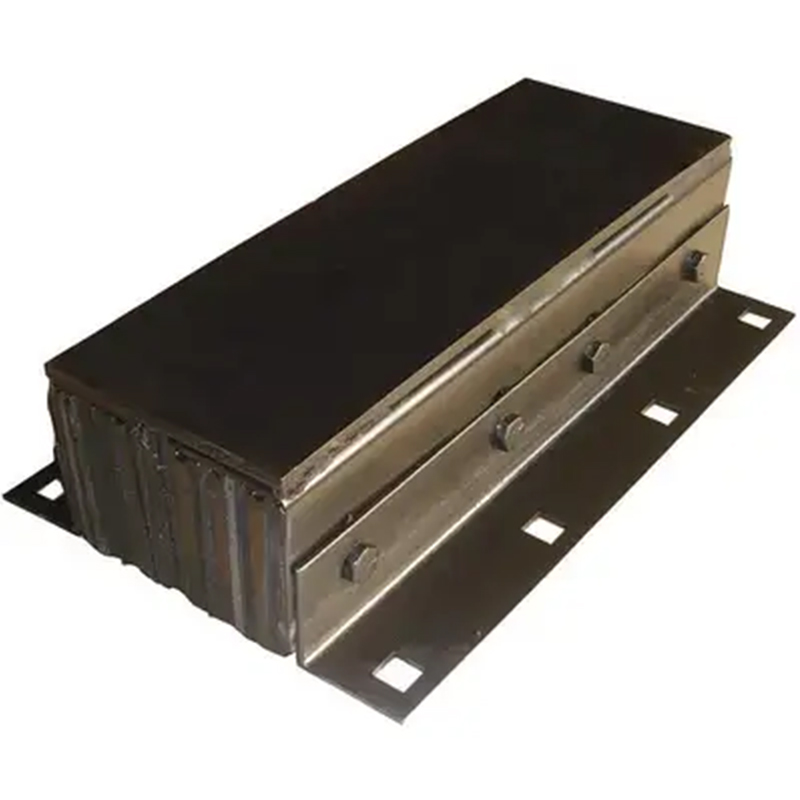 Why Do Air-Ride Trailers Destroy Plain Rubber Pads? Should You Switch to a Steel Face Dock Bumper?
 Are Your Dock Bumpers Creating a Safety Hazard for Forklift Drivers? How a Steel Face Dock Bumper Improves Workplace Safety
 Is Your Current Bumper Costing You in Hidden Downtime? Why a Steel Face Dock Bumper Is the Fix