
In the vast realm of industrial components, rubber plugs might seem like unassuming, run-of-the-mill items. However, their significance in various applications, ranging from everyday household uses to complex industrial setups, cannot be overstated. Rubber plugs serve as versatile sealing solutions, preventing leakage, protecting threads, and ensuring the integrity of systems across multiple industries. While standard rubber plugs are readily available, the need for customization arises when unique requirements dictate specifications that deviate from the norm. This article delves into the intricacies of customizing rubber plugs to meet distinct needs, highlighting the design considerations, materials, manufacturing processes, and the benefits of tailored solutions.
Understanding the Basics
Rubber plugs are typically employed to seal openings, preventing the ingress or egress of fluids and gases. They are used in plumbing, automotive, aerospace, marine, and many other industries where reliable sealing is crucial. Standard rubber plugs come in various sizes, shapes, and materials, each suited to specific applications. However, off-the-shelf options may not always align perfectly with the unique demands of certain projects.
The Need for Customization
Customization becomes necessary when standard plugs fail to meet the exact dimensions, material properties, or design specifications required for a particular application. This need can stem from several factors:
Unusual Shapes and Sizes: Some components may have irregular or non-standard openings that require specially designed plugs to ensure a tight fit.
Material Compatibility: Different fluids and gases react differently with various rubber materials. Custom plugs can be made from materials that are compatible with the specific substances they will come into contact with.
Environmental Conditions: Extreme temperatures, pressure variations, and exposure to chemicals or UV radiation necessitate plugs that can withstand these conditions without deteriorating.
Performance Requirements: In high-performance applications, such as aerospace or automotive, where failure is not an option, custom plugs are engineered to meet rigorous performance standards.
Design Considerations
When designing custom rubber plugs, several factors must be taken into account to ensure optimal functionality and durability:
Shape and Size: The plug must conform precisely to the shape and size of the opening it is intended to seal. This may involve creating complex geometries that are not available in standard configurations.
Material Selection: The choice of rubber material is critical. Factors such as chemical resistance, temperature range, elasticity, and abrasion resistance must be considered. For instance, silicone rubber is known for its high-temperature resistance and flexibility, while nitrile rubber (NBR) offers good oil and fuel resistance.
Durometer (Hardness): The hardness of the rubber, measured on the Shore scale, affects the plug's ability to seal and its resistance to wear. A softer rubber may provide a better seal but could be more prone to damage, while a harder rubber may be more durable but less effective at sealing.
Surface Finish: The surface texture of the plug can influence its sealing capabilities. A smooth finish may be required for applications where minimizing friction is essential, while a textured surface could enhance grip in certain scenarios.
Installation and Removal: The design should facilitate easy installation and removal without causing damage to the plug or the component it is sealing. This might involve incorporating features such as handles, grooves, or tapered ends.
Manufacturing Processes
Custom rubber plugs can be manufactured using various techniques, depending on the design complexity, material, and production volume:
Injection Molding: This process is ideal for producing large quantities of rubber plugs with complex shapes. Liquid rubber is injected into a mold, where it solidifies to form the desired shape.
Compression Molding: Suitable for simpler designs and smaller production runs, compression molding involves placing uncured rubber into an open mold, which is then closed and heated to cure the rubber.
Extrusion: This method is used to produce rubber plugs with a consistent cross-sectional shape, such as cylindrical plugs. The rubber is forced through a die to create the desired profile.
CNC Machining: For highly precise and intricate designs, CNC machining can be employed to cut and shape the rubber material accurately.
Benefits of Custom Rubber Plugs
The advantages of using custom rubber plugs over standard options are manifold:
Improved Sealing Performance: Custom plugs are designed to fit perfectly, ensuring a superior seal that minimizes the risk of leakage.
Enhanced Durability: By selecting the appropriate material and durometer, custom plugs can withstand the specific environmental conditions and stresses they will encounter.
Cost Efficiency: Although custom plugs may have a higher initial cost, their improved performance can lead to long-term savings by reducing maintenance and replacement expenses.
Application-Specific Solutions: Custom plugs can be tailored to meet the unique requirements of a particular application, providing a solution that is optimized for performance and reliability.
Competitive Edge: In industries where precision and reliability are paramount, using custom rubber plugs can give businesses a competitive edge by ensuring their products meet the highest standards.
Customizing rubber plugs to meet unique needs is a specialized process that requires a deep understanding of material science, design principles, and manufacturing techniques. By carefully considering the shape, size, material, durometer, and surface finish of the plug, as well as the specific requirements of the application, it is possible to create sealing solutions that offer superior performance, durability, and cost efficiency. Whether for industrial, automotive, aerospace, or marine applications, custom rubber plugs play a vital role in ensuring the integrity and reliability of systems across diverse industries. As technology advances and new materials become available, the possibilities for customizing rubber plugs to meet ever-more demanding specifications will continue to expand, further enhancing their value in a wide range of applications.
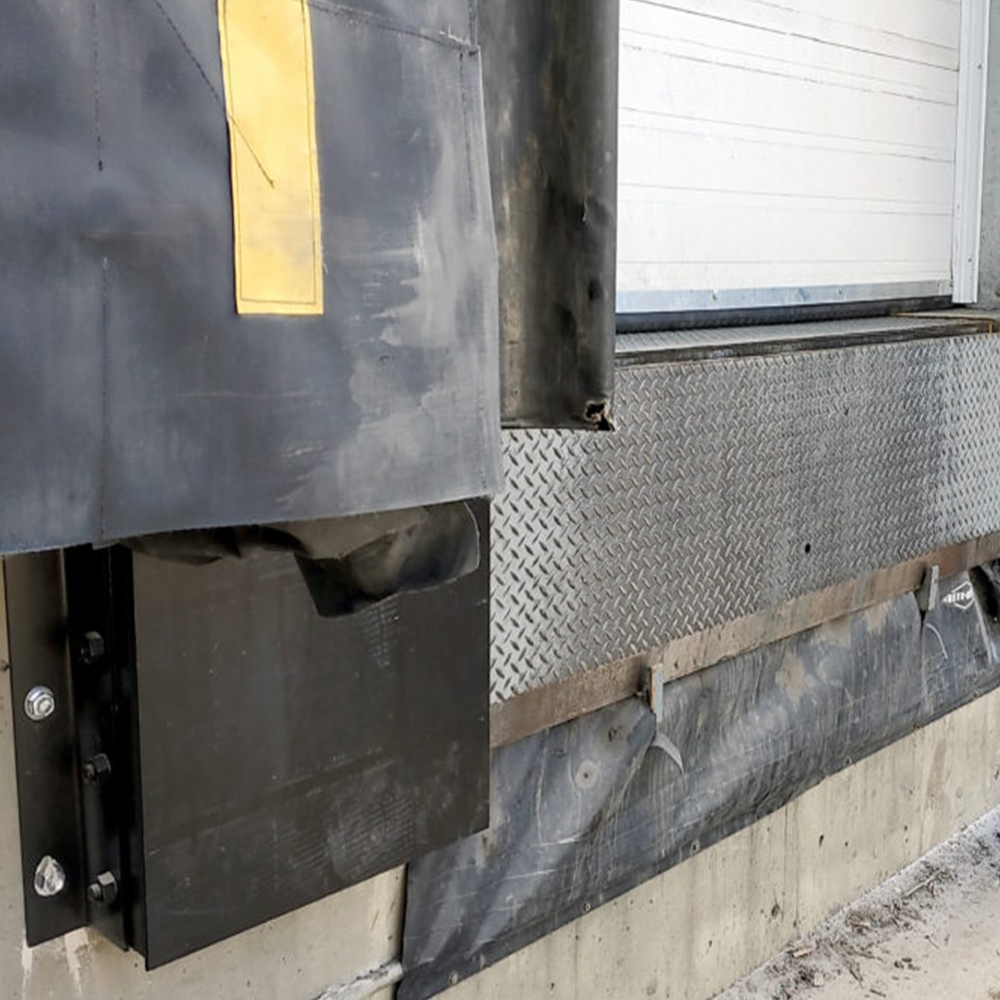 Is Your Dock Bumper Costing You in Hidden Downtime? How a Steel Face Dock Bumper Keeps Operations Running
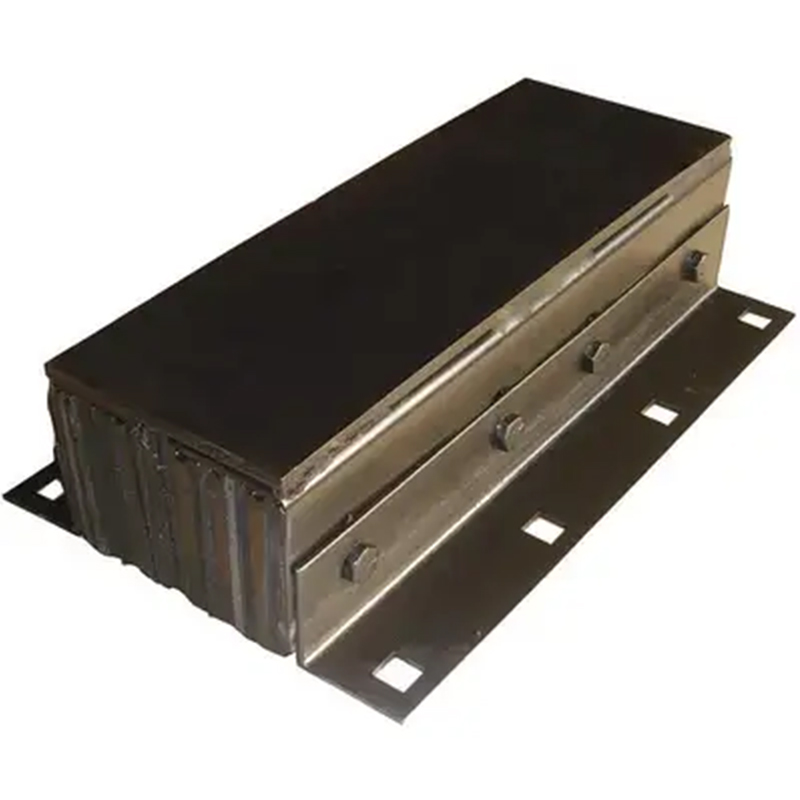 Why Do Air-Ride Trailers Destroy Plain Rubber Pads? Should You Switch to a Steel Face Dock Bumper?
 Are Your Dock Bumpers Creating a Safety Hazard for Forklift Drivers? How a Steel Face Dock Bumper Improves Workplace Safety
 Is Your Current Bumper Costing You in Hidden Downtime? Why a Steel Face Dock Bumper Is the Fix