
In the realm of sealing technologies, rubber plugs and O-rings are two ubiquitous components that play crucial roles in preventing leaks and maintaining system integrity across a wide range of applications. From automotive engines to plumbing systems, and from industrial machinery to household appliances, these small yet essential items are integral to the smooth operation and longevity of countless devices. Despite their shared function of sealing, rubber plugs and O-rings exhibit distinct characteristics, designs, and applications that set them apart. This article delves into the intricacies of both, shedding light on their differences and helping readers understand when to use each type of seal.
Rubber Plugs: Versatile Sealants for Diverse Applications
Rubber plugs are sealing devices typically crafted from elastomeric materials such as natural rubber, nitrile (NBR), neoprene, silicone, or ethylene propylene diene monomer (EPDM). Their design varies depending on the specific application, but they generally feature a cylindrical or tapered shape with a rounded or flat end that fits into a corresponding hole or opening. The primary purpose of a rubber plug is to provide a tight, reliable seal that prevents the passage of fluids or gases.
One of the standout features of rubber plugs is their versatility. They can be custom-molded to fit almost any shape or size of opening, making them ideal for use in irregular or non-standard apertures. This adaptability is particularly valuable in applications where a standard O-ring might not provide an adequate seal due to the unique geometry of the component being sealed.
Rubber plugs are often used in situations where a component needs to be temporarily or permanently sealed off from the environment. For example, they are commonly found in plumbing systems to seal drain holes, in automotive engines to block unused oil or coolant passages, and in marine applications to prevent water ingress into electrical connections or compartments.
Another advantage of rubber plugs is their durability and resistance to environmental factors. Depending on the material used, they can withstand exposure to extreme temperatures, chemicals, and abrasives, making them suitable for harsh operating conditions. Silicone plugs, for instance, are known for their high-temperature resistance and excellent flexibility, while EPDM plugs offer good resistance to ozone, UV radiation, and weathering.
However, rubber plugs also have some limitations. They may not provide the same level of precision sealing as O-rings, especially in high-pressure or high-vibration environments. Additionally, their installation and removal can sometimes be more challenging, requiring specialized tools or techniques to ensure a proper fit without damaging the plug or the surrounding material.
O-Rings: The Workhorses of Precision Sealing
O-rings, on the other hand, are circular cross-section rings made from elastomeric materials like those used in rubber plugs. They are named for their toroidal (doughnut-like) shape, which allows them to fit snugly into grooves machined into the surfaces of mating parts. O-rings are designed to compress when the two parts are bolted or clamped together, creating a seal that prevents the passage of fluids or gases.
The primary advantage of O-rings lies in their simplicity and effectiveness. They are easy to install, require minimal space, and provide a reliable seal even under high pressure and vibration. Their circular cross-section ensures even compression and distribution of sealing forces, which helps to maintain a consistent seal over time.
O-rings are used in a wide range of industries, including automotive, aerospace, oil and gas, and medical devices. They are particularly well-suited for applications that require a high degree of precision and reliability, such as hydraulic and pneumatic systems, where even a small leak can lead to significant performance issues or safety hazards.
One of the key factors that determine the effectiveness of an O-ring is its material composition. Different elastomers offer varying levels of resistance to temperature, chemicals, and abrasion, making it essential to select the right material for the specific application. For example, nitrile O-rings are commonly used in oil-based applications due to their good resistance to petroleum products, while fluoroelastomer (FKM) O-rings are preferred in chemical processing environments because of their excellent resistance to aggressive chemicals and high temperatures.
Another important consideration when using O-rings is their size and groove design. The diameter of the O-ring, the width of the cross-section, and the dimensions of the groove all play critical roles in determining the seal's performance. Improper sizing or groove design can lead to issues such as extrusion, which occurs when the O-ring is forced into the gap between the mating surfaces under pressure, or nipping, which happens when the O-ring is cut or pinched during installation.
Despite their many advantages, O-rings are not without their limitations. They may not be suitable for applications with irregular or non-standard shapes, as their circular cross-section and reliance on groove dimensions limit their adaptability. Additionally, O-rings can be susceptible to degradation over time due to exposure to certain chemicals, temperatures, or mechanical stress, which can compromise their sealing capabilities.
Choosing Between Rubber Plugs and O-Rings
When deciding between a rubber plug and an O-ring, several factors must be taken into account, including the application's specific requirements, the operating conditions, and the desired level of sealing performance. Rubber plugs are generally preferred for applications that require a versatile, durable seal in irregular or non-standard openings, while O-rings are the go-to choice for precision sealing in standard grooves where high pressure and vibration are concerns.
It's also important to consider the ease of installation and removal, as well as the potential for damage to the seal or the surrounding material. Rubber plugs may require specialized tools or techniques for proper fitting, whereas O-rings are typically easier to install and replace.
Ultimately, the choice between a rubber plug and an O-ring will depend on the unique needs of the application and the trade-offs between versatility, precision, durability, and ease of use. By understanding the differences between these two sealing technologies, engineers, maintenance personnel, and DIY enthusiasts can make informed decisions that ensure the reliability and longevity of their systems and devices.
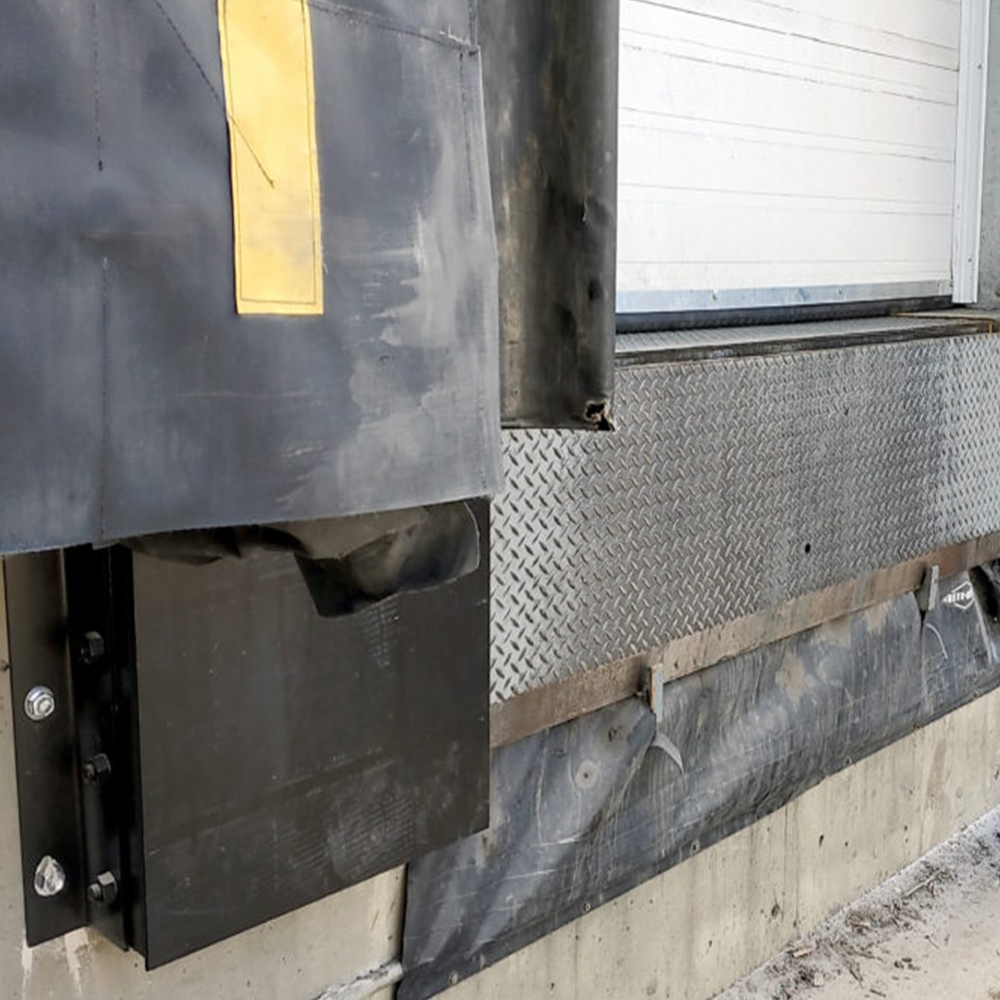 Is Your Dock Bumper Costing You in Hidden Downtime? How a Steel Face Dock Bumper Keeps Operations Running
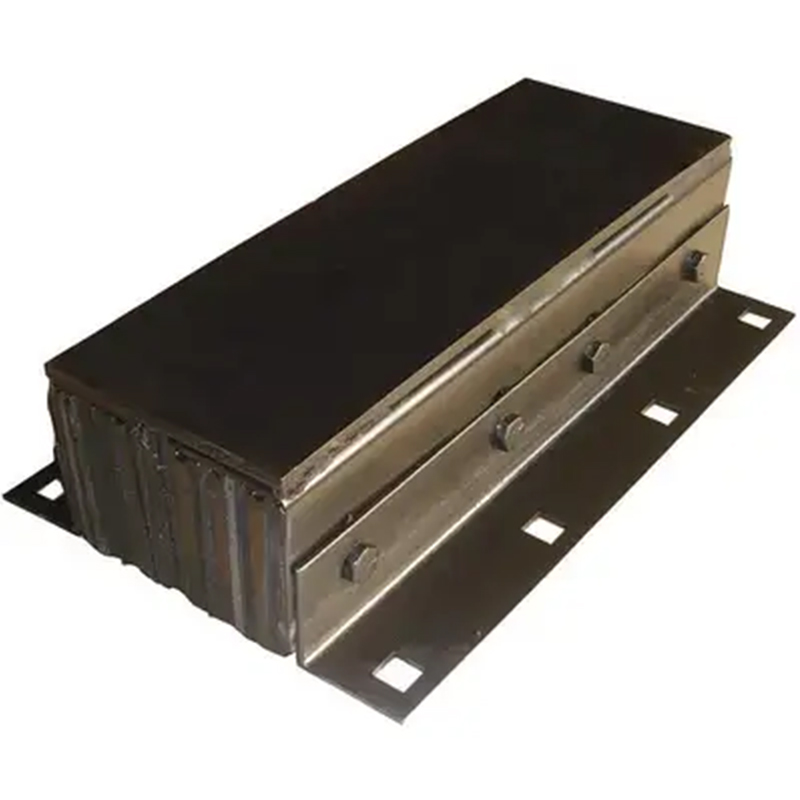 Why Do Air-Ride Trailers Destroy Plain Rubber Pads? Should You Switch to a Steel Face Dock Bumper?
 Are Your Dock Bumpers Creating a Safety Hazard for Forklift Drivers? How a Steel Face Dock Bumper Improves Workplace Safety
 Is Your Current Bumper Costing You in Hidden Downtime? Why a Steel Face Dock Bumper Is the Fix