
In the realm of industrial and mechanical engineering, the selection of components that can withstand high-pressure environments is critical. One such component, often overlooked but essential, is the rubber plug. These unassuming devices play a pivotal role in sealing, protecting, and ensuring the integrity of systems subjected to elevated pressures. Whether it's in hydraulic systems, pneumatic equipment, or any other application where pressure integrity is paramount, choosing the right rubber plug is a decision that can significantly impact performance, safety, and operational efficiency.
Understanding the Role of Rubber Plugs
Rubber plugs are versatile sealing devices designed to fit into openings or orifices to prevent the passage of fluids or gases. In high-pressure applications, they must be capable of maintaining a tight seal without deforming or failing under pressure. Their importance lies in their ability to protect machinery from leaks, contamination, and potential catastrophic failures.
Key Considerations in Selecting Rubber Plugs
When selecting rubber plugs for high-pressure applications, several factors must be carefully evaluated to ensure optimal performance:
1. Material Composition
The material from which the rubber plug is made is perhaps the most critical factor. Different rubber compounds offer varying levels of resistance to pressure, temperature, chemicals, and abrasion. For high-pressure applications, materials such as nitrile rubber (NBR), ethylene propylene diene monomer (EPDM), and fluoroelastomers (FKM) are often preferred.
Nitrile Rubber (NBR): Known for its excellent oil resistance and moderate pressure handling capabilities, NBR is a popular choice in many industrial applications.
Ethylene Propylene Diene Monomer (EPDM): EPDM offers good resistance to weathering, ozone, and some chemicals. It's often used in outdoor applications where temperature fluctuations are a concern.
Fluoroelastomers (FKM): FKM, also known as Viton, is highly resistant to high temperatures, chemicals, and oils. It's an ideal choice for extreme conditions where other rubbers might fail.
The selection of the material should be based on the specific conditions the plug will be exposed to, including the type of fluid or gas, operating temperature, and the maximum pressure it will encounter.
2. Pressure Rating
Each rubber plug comes with a specified pressure rating indicating the maximum pressure it can safely withstand. It's crucial to select a plug with a pressure rating that exceeds the maximum expected operating pressure of the system. This ensures a safety margin that accounts for potential pressure spikes or unexpected conditions.
3. Size and Shape
The size and shape of the rubber plug must match the application's requirements. Plugs are available in various diameters, lengths, and configurations to fit different orifices and sealing needs. A proper fit is essential to achieve an effective seal and prevent leakage.
Diameter: The plug's diameter should be slightly larger than the orifice it's sealing to ensure a tight fit.
Length: The length of the plug can affect its ability to withstand pressure. Longer plugs may provide better support and sealing in deep orifices.
Shape: Some applications may require custom-shaped plugs to accommodate unique sealing surfaces or to provide additional support.
4. Temperature Resistance
The operating temperature of the system is another critical factor. Rubber materials have specific temperature ranges within which they maintain their properties. Exceeding these limits can cause the rubber to harden, soften, or degrade, compromising the seal. Therefore, it's essential to choose a rubber plug that can withstand the temperature extremes of the application.
5. Chemical Compatibility
The rubber plug must be compatible with the fluids or gases it will come into contact with. Certain chemicals can cause rubber to swell, degrade, or lose its elasticity. Consulting a chemical compatibility chart or consulting with the rubber plug manufacturer can help ensure the selected material is suitable for the application.
6. Durability and Longevity
In high-pressure applications, the rubber plug may be subjected to continuous stress and wear. Selecting a plug made from durable material with a long lifespan can reduce maintenance requirements and the risk of premature failure.
Additional Considerations
While the above factors are the primary considerations, other aspects may also influence the selection process:
Ease of Installation and Removal: The plug should be easy to install and remove without damaging the orifice or the plug itself.
Cost: While cost should not be the sole determining factor, it's essential to balance performance requirements with budget constraints.
Availability: Ensuring that the selected rubber plug is readily available can minimize downtime in case of replacements or repairs.
Selecting the right rubber plug for high-pressure applications is a multifaceted decision that requires a thorough understanding of the application's specific requirements. By carefully considering material composition, pressure rating, size and shape, temperature resistance, chemical compatibility, durability, and additional factors, engineers and maintenance personnel can ensure that the chosen rubber plug will provide reliable performance, protect against leaks and failures, and contribute to the overall safety and efficiency of the system.
In summary, rubber plugs may be small, but their role in high-pressure applications is significant. Making an informed selection based on a comprehensive evaluation of all relevant factors is essential to ensure the integrity, reliability, and longevity of the system they are designed to protect. Whether it's in hydraulic systems, pneumatic equipment, or any other high-pressure environment, the right rubber plug can make all the difference.
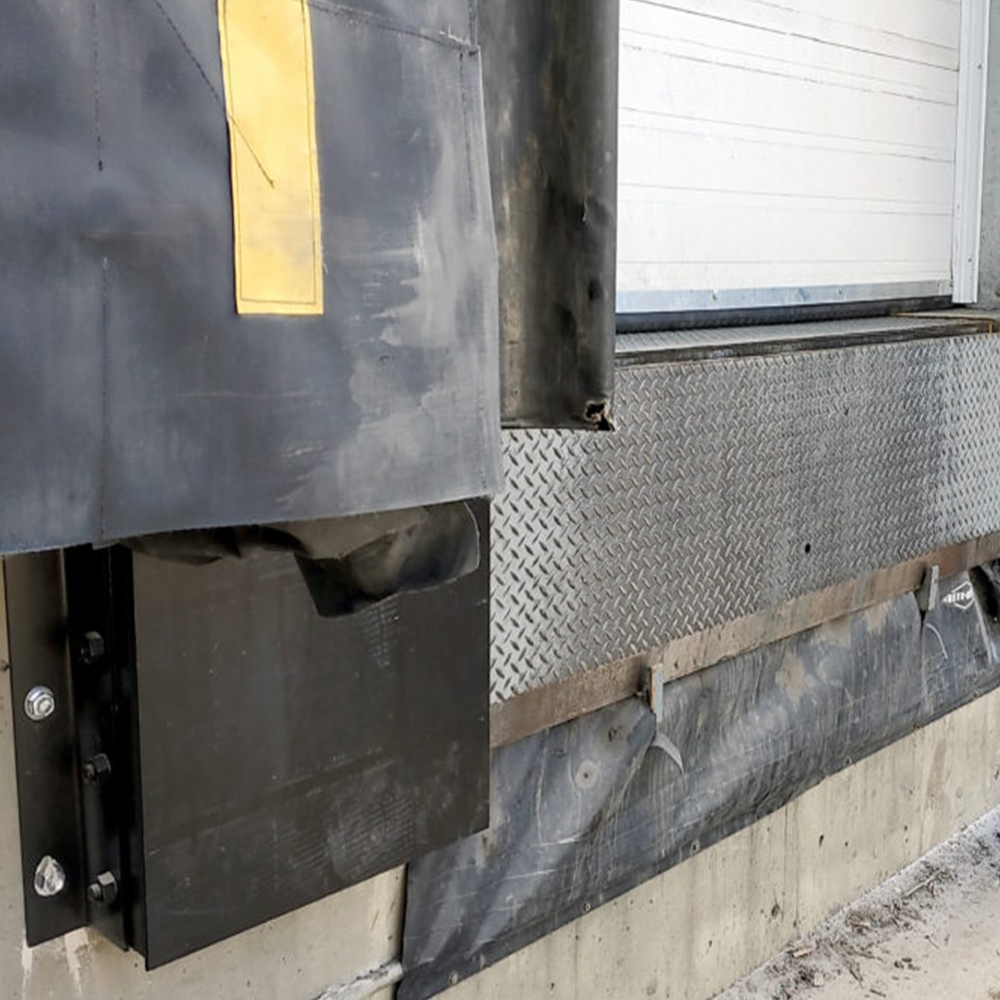 Is Your Dock Bumper Costing You in Hidden Downtime? How a Steel Face Dock Bumper Keeps Operations Running
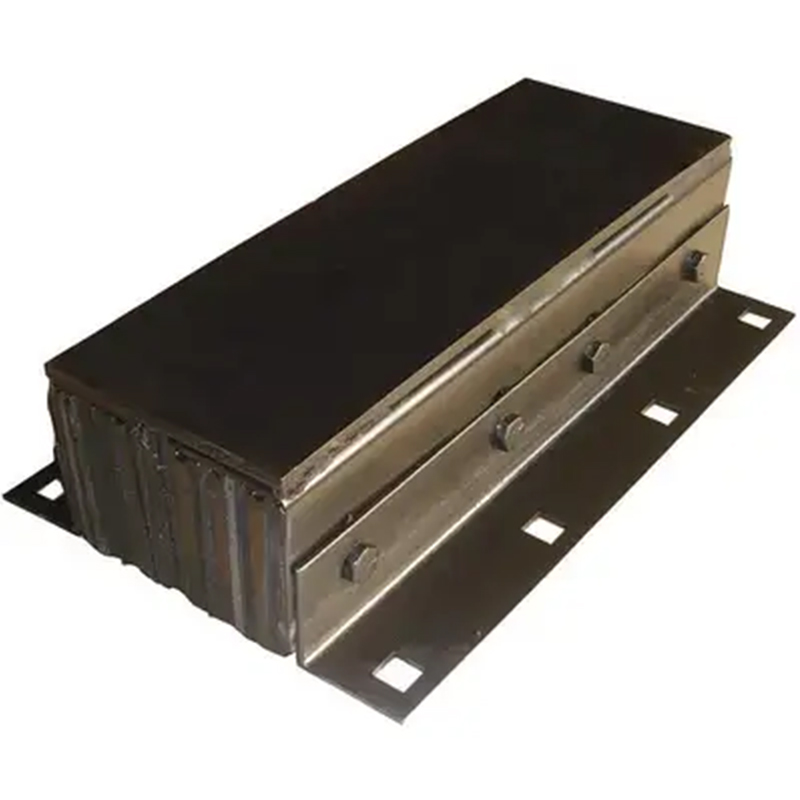 Why Do Air-Ride Trailers Destroy Plain Rubber Pads? Should You Switch to a Steel Face Dock Bumper?
 Are Your Dock Bumpers Creating a Safety Hazard for Forklift Drivers? How a Steel Face Dock Bumper Improves Workplace Safety
 Is Your Current Bumper Costing You in Hidden Downtime? Why a Steel Face Dock Bumper Is the Fix