
Rubber plugs are ubiquitous in our daily lives, serving a multitude of purposes from stopping leaks in sinks and bathtubs to sealing various containers. Despite their simplicity and widespread use, these unassuming little devices can sometimes pose problems that require attention. Whether you're dealing with a stubborn plug that refuses to stay in place or one that has deteriorated over time, understanding the common issues with rubber plugs and knowing how to fix them can save you time, money, and frustration.
One of the most frequent complaints about rubber plugs is their tendency to slip out of place. This can be particularly annoying when you're trying to fill a sink or bathtub with water, only to find that the plug has decided to take a plunge of its own. The root cause of this issue often lies in the design of the plug or the condition of the drain opening. Some plugs are simply not designed to fit securely in all types of drains, while others may have worn down over time, losing their grip.
To address this problem, start by examining the plug and the drain opening. If the plug appears to be in good condition but still slips, it might be too small for the drain. In such cases, you can try using a plumber's putty or a silicone-based adhesive to create a better seal. Apply a small amount of the product around the base of the plug, ensuring it covers the area that comes into contact with the drain. This should provide additional friction, helping the plug stay put.
If the plug itself is worn or damaged, it's best to replace it with a new one. When shopping for a replacement, look for a plug that is specifically designed to fit your type of drain. Universal plugs may seem convenient, but they often don't provide the same level of fit and security as those tailored to specific drain sizes and shapes. Additionally, consider investing in a plug with a stronger, more durable material, such as a higher-grade rubber or a combination of rubber and silicone, which can withstand frequent use and last longer.
Another common issue with rubber plugs is leakage. A plug that doesn't seal properly can allow water to seep through, defeating its purpose. Leakage can occur due to a variety of reasons, including a cracked or torn plug, debris stuck in the drain opening, or a plug that is simply not compatible with the drain's surface.
To fix a leaky plug, begin by inspecting it for any visible signs of damage. If you notice cracks or tears, it's time to replace the plug. If the plug looks intact, the problem might be with the drain itself. Use a flashlight to peer into the drain and check for any debris or buildup that could be preventing the plug from creating a tight seal. If you find any obstructions, use a plumber's snake or a long, flexible wire to clear them out.
If the drain is clean and the plug still leaks, the issue could be related to the compatibility between the plug and the drain's surface. Some drains have a rough or uneven surface that can make it difficult for a plug to create a watertight seal. In such cases, you can try using a thin layer of petroleum jelly or silicone lubricant on the bottom of the plug. This can help fill in any gaps and improve the seal. Alternatively, you can look for a plug with a more flexible or textured bottom that is better suited to uneven surfaces.
Sometimes, rubber plugs can become stuck in the drain, making it impossible to remove them. This can happen if the plug has been left in place for an extended period, allowing mineral deposits or other residues to build up around it. Attempting to force the plug out can damage the drain or the plug itself, so it's important to approach the situation with care.
To remove a stuck plug, start by applying a lubricant such as WD-40 or a similar product around the edge of the plug where it meets the drain. Allow the lubricant to sit for a few minutes to penetrate any buildup. Then, using a pair of pliers or a wrench, gently try to twist and pull the plug out. If the plug is still resistant, you can use a hammer and a chisel (or a flathead screwdriver) to carefully tap around the edge of the plug, loosening it from the drain. Be sure to exercise caution when using tools to avoid damaging the drain or injuring yourself.
In some cases, the plug may be so firmly stuck that it requires more drastic measures. If you're unable to remove the plug using the methods described above, it might be necessary to call a professional plumber. They have the tools and expertise to safely and effectively remove the plug without causing damage to your drain or plumbing system.
Lastly, rubber plugs can develop an unpleasant odor over time, especially if they're frequently exposed to water and not allowed to dry properly. This odor is often caused by the growth of mold and mildew on the surface of the plug. While this issue doesn't affect the functionality of the plug, it can be unsightly and unpleasant.
To eliminate odors from a rubber plug, start by removing it from the drain and thoroughly cleaning it with a mixture of warm water and mild detergent. Use a soft brush or sponge to scrub away any visible dirt or grime. Rinse the plug well and allow it to air dry completely before replacing it in the drain. If the odor persists, you can soak the plug in a solution of white vinegar and water for a few hours to kill any remaining mold or mildew spores. Once again, rinse and dry the plug thoroughly before use.
In conclusion, while rubber plugs are a simple and effective solution for stopping leaks and sealing containers, they can sometimes present problems that require attention. By understanding the common issues with rubber plugs and knowing how to fix them, you can ensure that these handy little devices continue to serve their purpose effectively. Whether you're dealing with a plug that slips, leaks, gets stuck, or develops an odor, the solutions outlined above can help you get your plug back in working order and keep your home running smoothly.
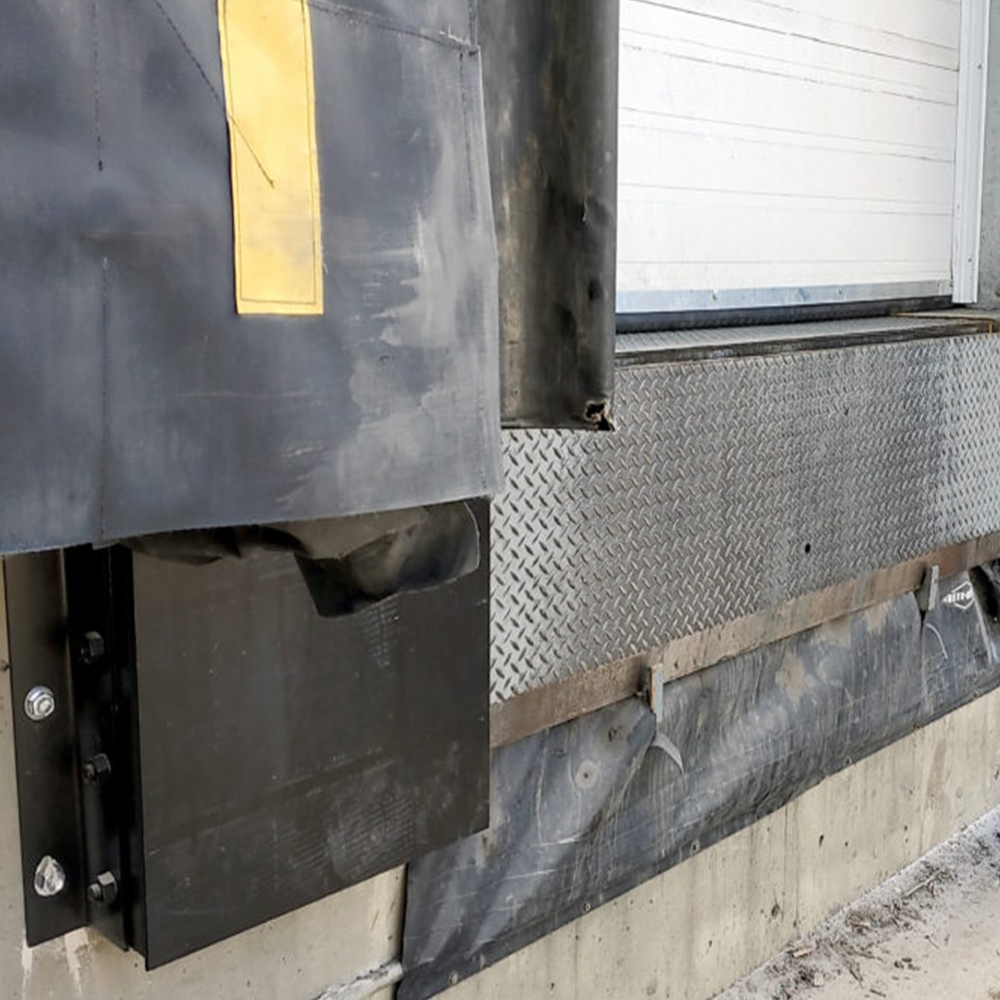 Is Your Dock Bumper Costing You in Hidden Downtime? How a Steel Face Dock Bumper Keeps Operations Running
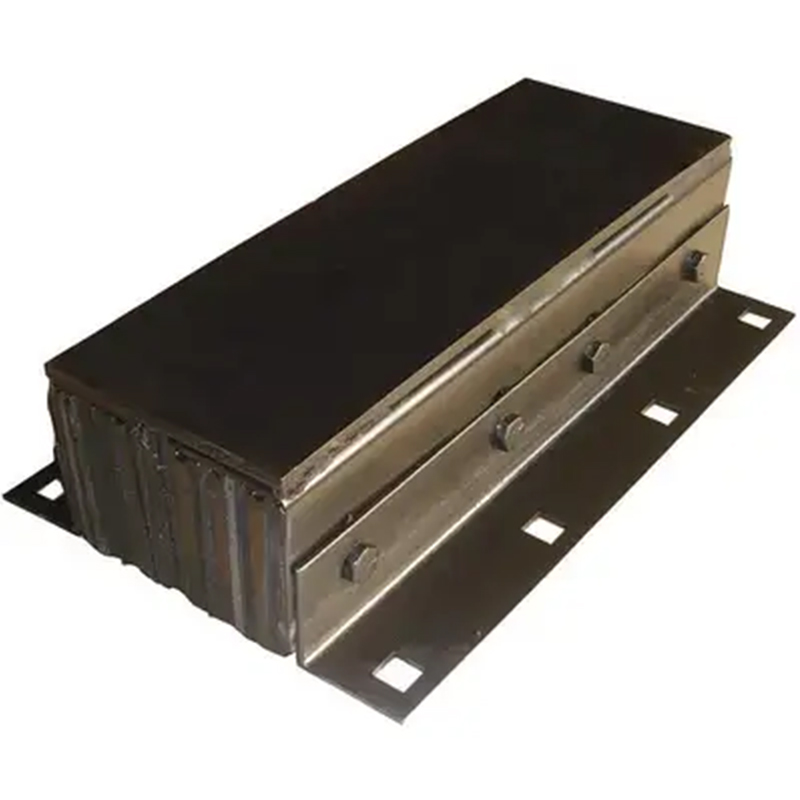 Why Do Air-Ride Trailers Destroy Plain Rubber Pads? Should You Switch to a Steel Face Dock Bumper?
 Are Your Dock Bumpers Creating a Safety Hazard for Forklift Drivers? How a Steel Face Dock Bumper Improves Workplace Safety
 Is Your Current Bumper Costing You in Hidden Downtime? Why a Steel Face Dock Bumper Is the Fix