
Rubber plugs are essential components in various applications, ranging from everyday household uses to industrial and automotive settings. They serve as reliable seals, preventing leaks and ensuring the smooth functioning of equipment and appliances. Whether you're dealing with a sink drain plug, a bathtub stopper, or a more specialized rubber plug in machinery, proper maintenance is crucial to extend their lifespan and maintain their effectiveness. In this comprehensive guide, we'll explore the best practices for maintaining rubber plugs, covering cleaning, storage, inspection, and troubleshooting common issues.
Understanding Rubber Plugs
Before diving into maintenance, it's important to understand what rubber plugs are made of and how they work. Rubber plugs are typically crafted from durable, flexible materials such as natural rubber, silicone, or synthetic elastomers. These materials are chosen for their ability to withstand water, chemicals, and temperature fluctuations while maintaining a tight seal.
Rubber plugs come in various shapes and sizes, each designed for a specific purpose. Some have a simple cylindrical shape with a lip or flange to create a seal, while others may feature more complex designs with threads or multiple sealing surfaces. Understanding the type of rubber plug you're working with will help you determine the most effective maintenance strategy.
Cleaning Rubber Plugs
One of the most critical aspects of maintaining rubber plugs is keeping them clean. Over time, dirt, grime, and mineral deposits can accumulate on the surface and edges of the plug, compromising its sealing ability. Here's how to clean rubber plugs effectively:
Remove the Plug: Start by removing the rubber plug from its application. This may require unscrewing it, pulling it out, or using a tool to dislodge it.
Rinse with Water: Use warm water to rinse off any loose dirt or debris. If the plug is particularly dirty, you can use a soft brush or sponge to gently scrub the surface.
Use a Mild Detergent: For stubborn stains or residue, mix a mild detergent with water and apply it to the plug using a soft brush. Avoid using harsh chemicals or abrasives, as they can damage the rubber.
Rinse Thoroughly: After cleaning, rinse the plug thoroughly with clean water to remove all traces of detergent.
Dry the Plug: Allow the rubber plug to air dry completely before reinstalling it. This prevents mold and mildew growth.
Storing Rubber Plugs
Proper storage is essential to prevent rubber plugs from deteriorating or becoming deformed. Here are some tips for storing your rubber plugs:
Avoid Direct Sunlight: Store rubber plugs in a cool, dark place away from direct sunlight. UV rays can cause rubber to degrade over time.
Keep Away from Heat Sources: Avoid storing rubber plugs near heat sources such as radiators, ovens, or heaters, as high temperatures can also cause the rubber to deteriorate.
Use a Dry Environment: Ensure the storage area is dry to prevent moisture from causing mold or mildew growth on the rubber.
Keep Away from Sharp Objects: Store rubber plugs away from sharp objects or tools that could puncture or cut the rubber.
Use a Container: If possible, store rubber plugs in a container or bag to protect them from dust and debris.
Inspecting Rubber Plugs
Regular inspection is crucial to identify potential issues with rubber plugs before they become major problems. Here's what to look for during an inspection:
Cracks or Tears: Examine the rubber plug for any signs of cracks, tears, or punctures. These can compromise the plug's sealing ability and should be addressed immediately.
Wear and Deformation: Check for signs of wear or deformation, such as flattened or stretched-out areas. A worn or deformed plug may not seal properly.
Hardness: Over time, rubber can become hard and brittle. If the plug feels stiff or hard to the touch, it may be time to replace it.
Discoloration: While some discoloration is normal due to aging, significant changes in color could indicate exposure to chemicals or other factors that could affect the rubber's performance.
Troubleshooting Common Issues
Despite your best efforts, you may encounter issues with rubber plugs from time to time. Here are some common problems and how to troubleshoot them:
Leaking: If the rubber plug is leaking, start by cleaning it thoroughly and checking for any cracks or damage. If the plug appears to be in good condition, the issue may be with the sealing surface. Ensure the area around the plug is clean and free of debris, and try readjusting the plug to create a better seal.
Sticking: A rubber plug that is difficult to remove or insert may be sticking due to dirt or debris. Clean the plug and the surrounding area thoroughly, and apply a small amount of lubricant (such as silicone spray) to the sealing surfaces if necessary.
Odor: If the rubber plug develops an unpleasant odor, it could be due to mold or mildew growth. Clean the plug thoroughly with a mild detergent and allow it to air dry completely. If the odor persists, consider replacing the plug.
Swelling: In some cases, rubber plugs may swell due to exposure to water or chemicals. If the plug is significantly swollen, it may need to be replaced to ensure a proper fit and seal.
Replacing Rubber Plugs
Eventually, even the best-maintained rubber plugs will need to be replaced. Signs that it's time for a replacement include cracks, tears, significant wear, or a loss of flexibility. When replacing a rubber plug, choose a high-quality replacement that is compatible with the application and environment.
Maintaining rubber plugs is a simple but important task that can help extend their lifespan and ensure they continue to function effectively. By following the cleaning, storage, inspection, and troubleshooting tips outlined in this guide, you can keep your rubber plugs in top condition and avoid potential issues. Remember to replace worn or damaged plugs promptly to maintain the integrity of your seals and prevent leaks. With proper care, your rubber plugs will continue to provide reliable performance for years to come.
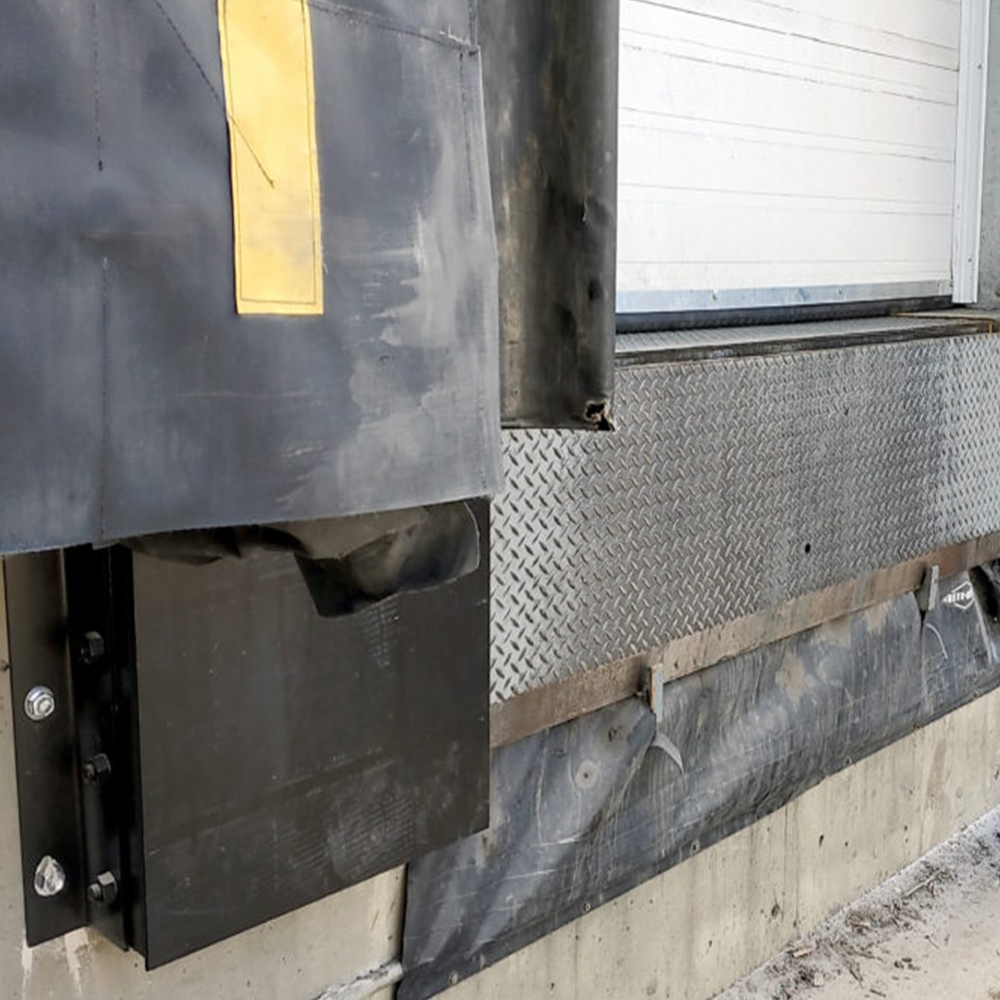 Is Your Dock Bumper Costing You in Hidden Downtime? How a Steel Face Dock Bumper Keeps Operations Running
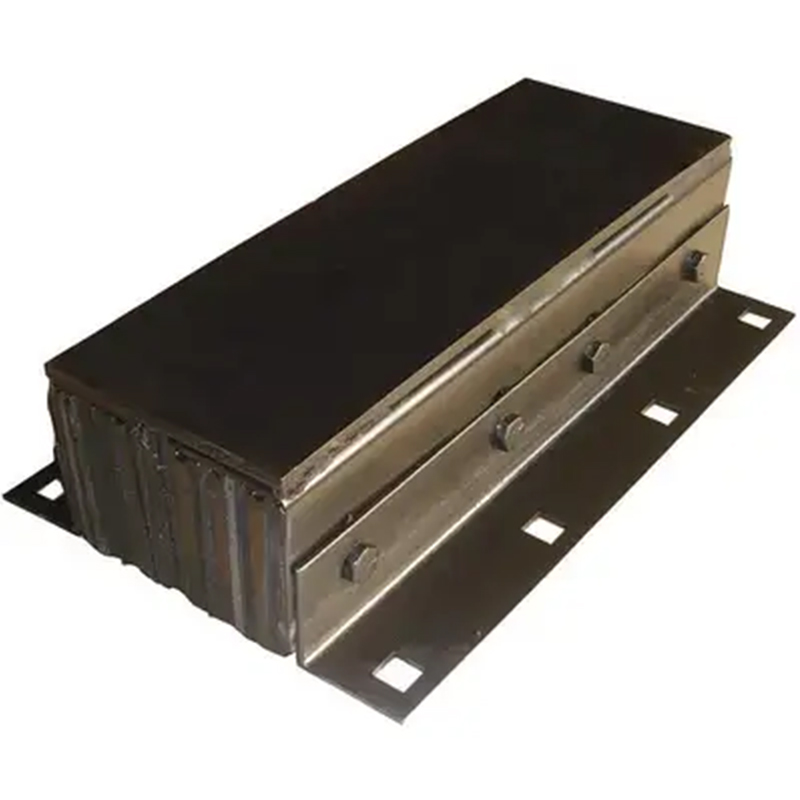 Why Do Air-Ride Trailers Destroy Plain Rubber Pads? Should You Switch to a Steel Face Dock Bumper?
 Are Your Dock Bumpers Creating a Safety Hazard for Forklift Drivers? How a Steel Face Dock Bumper Improves Workplace Safety
 Is Your Current Bumper Costing You in Hidden Downtime? Why a Steel Face Dock Bumper Is the Fix