
The automotive industry, a cornerstone of modern engineering and technology, is a vast and intricate sector that encompasses a myriad of components and systems. Among the countless parts that contribute to the functionality, safety, and efficiency of vehicles, rubber plugs may seem insignificant at first glance. However, these unassuming components play a critical role in the overall performance and reliability of automobiles. This article delves into the multifaceted role of rubber plugs in the automotive industry, highlighting their importance, applications, design considerations, and contributions to sustainability.
1. Understanding Rubber Plugs
Rubber plugs are versatile sealing devices made from elastomeric materials such as natural rubber, synthetic rubber, or a blend of both. Their primary function is to prevent the ingress of fluids, gases, or contaminants into various parts of a vehicle. These plugs are designed to fit snugly into openings, providing a reliable and durable seal. They come in various shapes, sizes, and materials, each tailored to specific applications and environmental conditions.
2. Applications in the Automotive Industry
Rubber plugs find applications in numerous areas of automotive design and manufacturing. Some of the key applications include:
Engine Compartment Sealing: In the engine compartment, rubber plugs seal openings where wires, hoses, and other components pass through the firewall or bulkhead. This prevents oil, coolant, and other fluids from leaking into the passenger compartment or other sensitive areas.
Fluid System Sealing: Rubber plugs are used in fluid systems such as cooling systems, fuel systems, and brake systems. They seal openings in radiators, fuel tanks, and brake lines, ensuring that fluids do not leak out and contaminants do not enter the system.
Exhaust System Sealing: In the exhaust system, rubber plugs are used to seal openings where exhaust pipes join or where components such as mufflers and catalytic converters are attached. This prevents exhaust gases from escaping and ensures that the system operates efficiently.
Body and Chassis Sealing: Rubber plugs are used to seal openings in the body and chassis of a vehicle, such as those for antennas, wiring harnesses, and drain holes. This helps to prevent water ingress and corrosion, maintaining the structural integrity and longevity of the vehicle.
Wheel and Tire Sealing: In tire valve systems, rubber plugs are used to seal the valve stem, preventing air from escaping and maintaining proper tire pressure. This is crucial for vehicle safety and fuel efficiency.
3. Design Considerations
The design of rubber plugs in the automotive industry is a complex process that involves several key considerations:
Material Selection: The choice of elastomeric material is critical, as it must withstand the operating temperatures, pressures, and chemicals to which it will be exposed. Materials must also have good elasticity, tear resistance, and compression set resistance to maintain a tight seal over time.
Shape and Size: Rubber plugs come in various shapes and sizes, depending on the application. They may be cylindrical, conical, or custom-shaped to fit specific openings. The size of the plug must be precise to ensure a proper fit and seal.
Durability and Longevity: Rubber plugs must be durable enough to withstand the rigors of automotive use, including vibration, impact, and exposure to harsh environments. They must maintain their sealing properties over the lifetime of the vehicle.
Ease of Installation and Removal: Rubber plugs should be easy to install and remove, allowing for quick and efficient assembly and maintenance of vehicles. This is particularly important in mass production environments where speed and efficiency are crucial.
4. Contribution to Vehicle Performance and Safety
Rubber plugs play a vital role in enhancing vehicle performance and safety. By providing reliable seals, they help to:
Prevent Fluid Leaks: Fluid leaks can lead to reduced performance, increased maintenance costs, and potential safety hazards. Rubber plugs help to prevent leaks by sealing openings and ensuring that fluids remain within their intended systems.
Protect Against Contaminants: Contaminants such as dirt, water, and debris can enter a vehicle through unsealed openings, causing damage to components and systems. Rubber plugs act as a barrier, protecting against contaminant ingress and maintaining the cleanliness of the vehicle's interior.
Maintain Structural Integrity: By sealing openings in the body and chassis, rubber plugs help to maintain the structural integrity of the vehicle. This prevents corrosion and other forms of damage that can compromise the safety and longevity of the vehicle.
Enhance Fuel Efficiency: Proper tire pressure is essential for fuel efficiency. Rubber plugs in tire valve systems help to maintain tire pressure by preventing air from escaping, reducing rolling resistance, and improving fuel economy.
5. Sustainability and Environmental Considerations
The automotive industry is increasingly focused on sustainability and reducing its environmental impact. Rubber plugs contribute to this effort in several ways:
Material Efficiency: Rubber plugs are designed to be lightweight and compact, minimizing the amount of material used. This reduces the environmental footprint associated with material extraction, processing, and disposal.
Recyclability: Many elastomeric materials used in rubber plugs are recyclable. By designing plugs with recyclability in mind, manufacturers can contribute to the circular economy and reduce waste.
Longevity and Durability: The durability of rubber plugs helps to extend the lifespan of vehicles, reducing the need for frequent replacements and the associated environmental impact.
Reduced Emissions: By preventing fluid leaks and maintaining proper tire pressure, rubber plugs help to reduce emissions from vehicles. This contributes to improved air quality and a healthier environment.
In conclusion, rubber plugs may be small and unassuming, but they play a crucial role in the automotive industry. Their ability to provide reliable seals in various applications enhances vehicle performance, safety, and sustainability. From engine compartment sealing to tire valve systems, rubber plugs are an integral part of automotive design and manufacturing. As the industry continues to evolve, the importance of these unassuming components will only grow, making them a vital element in the quest for safer, more efficient, and more sustainable vehicles.
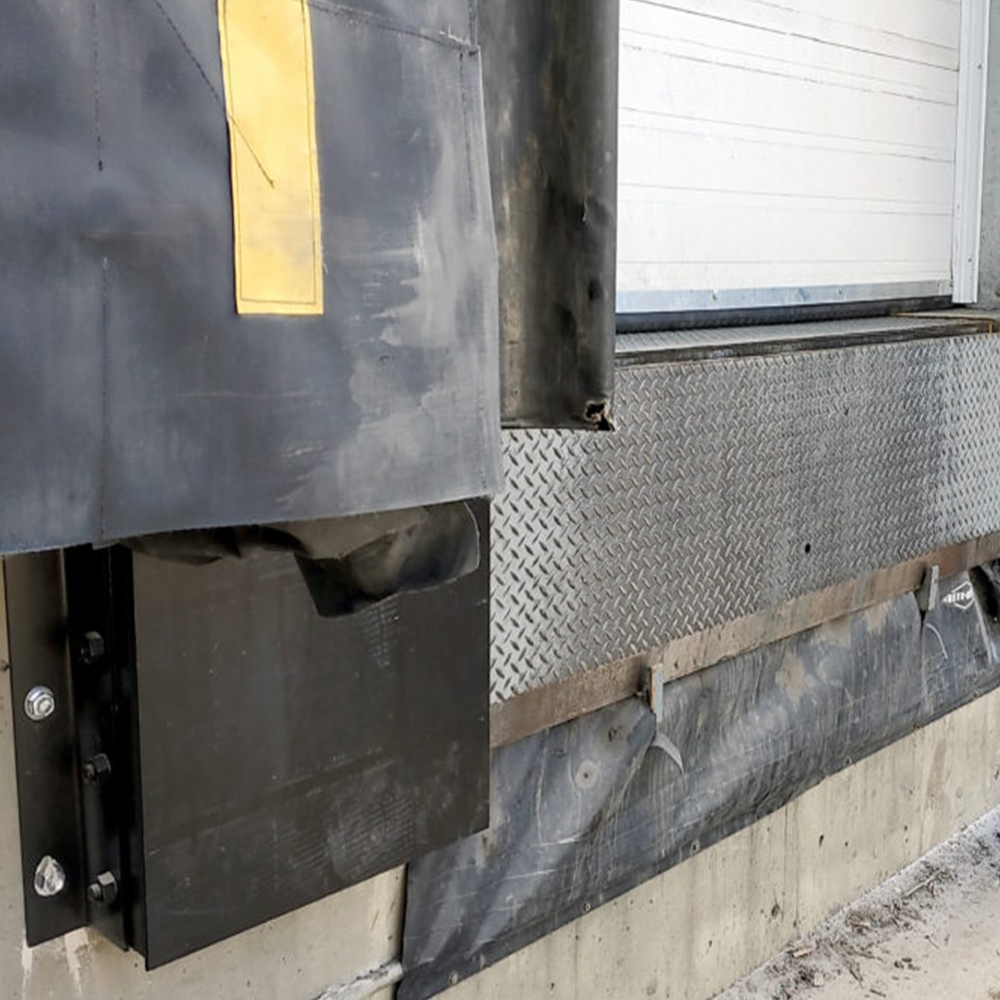 Is Your Dock Bumper Costing You in Hidden Downtime? How a Steel Face Dock Bumper Keeps Operations Running
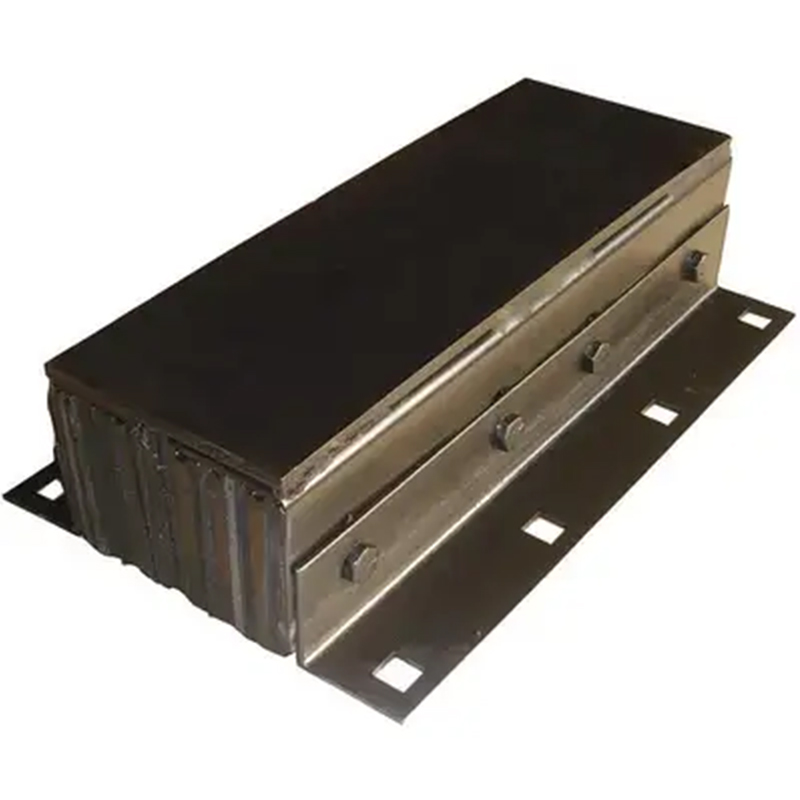 Why Do Air-Ride Trailers Destroy Plain Rubber Pads? Should You Switch to a Steel Face Dock Bumper?
 Are Your Dock Bumpers Creating a Safety Hazard for Forklift Drivers? How a Steel Face Dock Bumper Improves Workplace Safety
 Is Your Current Bumper Costing You in Hidden Downtime? Why a Steel Face Dock Bumper Is the Fix