
In the vast tapestry of modern life, small, seemingly insignificant items often escape our notice. One such item is the rubber plug, a humble yet ubiquitous component found in countless households, laboratories, and industrial settings. From stopping the drain in our bathroom sinks to sealing test tubes in scientific experiments, rubber plugs serve a multitude of purposes. However, their widespread use and the environmental implications tied to their production, usage, and disposal warrant a closer examination. This exploration delves into the multifaceted environmental impact of rubber plugs, shedding light on their journey from raw material extraction to end-of-life management.
The Origin of Rubber Plugs: A Glimpse into Raw Materials
Rubber plugs are primarily made from natural or synthetic rubber. Natural rubber, derived from the latex of rubber trees (Hevea brasiliensis), has been a staple material for centuries. Its cultivation, however, comes with its own set of environmental challenges. Rubber tree plantations often require large swaths of land, leading to deforestation and habitat loss for numerous species. This land-use change can disrupt local ecosystems, affecting biodiversity and contributing to greenhouse gas emissions as carbon-rich forests are replaced by monoculture plantations.
On the other hand, synthetic rubbers, such as styrene-butadiene rubber (SBR) or nitrile rubber (NBR), are petroleum-based products. Their production involves the refining of crude oil, a process that is energy-intensive and emits significant amounts of carbon dioxide and other pollutants. Furthermore, the extraction of petroleum itself can lead to oil spills, contaminating soil and water bodies, and harming marine and terrestrial life.
Manufacturing Processes and Their Footprint
The manufacturing of rubber plugs involves several steps, each with its environmental cost. First, the raw rubber must be processed and compounded with various additives to enhance its properties, such as durability and resistance to chemicals. This compounding process may involve the use of toxic chemicals, which, if not managed properly, can pollute air and water systems.
Next, the compounded rubber is shaped into plugs through molding or extrusion processes. These processes require energy, primarily derived from fossil fuels, contributing to greenhouse gas emissions. Additionally, the molds and machinery used in production generate waste materials and may require regular maintenance and eventual replacement, adding to the overall environmental burden.
Usage Phase: A Double-Edged Sword
During their service life, rubber plugs contribute indirectly to environmental impacts through their application. For instance, in a household setting, a well-fitted plug can prevent water wastage, a valuable conservation measure. However, if plugs are poorly designed or maintained, they can lead to leaks, wasting precious water resources and increasing energy consumption for water heating and pumping.
In industrial and laboratory settings, rubber plugs play critical roles in sealing containers and preventing the release of harmful substances. However, the frequent replacement of plugs due to wear and tear or exposure to corrosive materials results in a continuous cycle of consumption and waste.
End-of-Life Management: Challenges and Opportunities
The end-of-life stage of rubber plugs presents one of the most significant environmental challenges. Due to their small size and the materials they are made from, rubber plugs are often disposed of in landfills or incinerated. Landfilling rubber waste contributes to soil and groundwater contamination as chemicals leach out over time. Incineration, while reducing waste volume, releases toxic gases and particulates into the atmosphere, contributing to air pollution and climate change.
Recycling rubber plugs is technically feasible but logistically challenging. The process requires separating rubber from other materials, cleaning it, and reprocessing it into new products. Currently, the recycling rate for rubber products is relatively low compared to other materials like metals or plastics, partly due to the complexity and cost of recycling processes.
Innovative Solutions and Sustainable Practices
Addressing the environmental impact of rubber plugs necessitates a multi-pronged approach. Innovations in material science are paving the way for the development of biodegradable and eco-friendly rubber alternatives. For instance, researchers are exploring the use of natural polymers derived from plants, such as dandelion rubber, which could reduce dependence on both natural rubber tree plantations and petroleum-based synthetics.
Moreover, extending the lifespan of rubber plugs through better design and maintenance practices can significantly reduce waste generation. Manufacturers can focus on producing higher-quality plugs that are more durable and resistant to wear and tear, thereby reducing the frequency of replacement.
Consumer awareness and behavior change also play a crucial role. Encouraging consumers to dispose of rubber plugs responsibly, either through recycling programs or designated waste collection points, can divert significant amounts of rubber waste from landfills and incinerators.
Furthermore, circular economy principles can be applied to the rubber plug industry. By establishing closed-loop systems where used rubber plugs are collected, recycled, and reintroduced into the production cycle, the environmental footprint of rubber products can be substantially reduced. Collaboration between manufacturers, recyclers, and policymakers is essential to create and scale up such systems.
The environmental impact of rubber plugs, though often overlooked, is a significant concern that requires attention. From the extraction of raw materials to the end-of-life management of these small but essential items, each stage contributes to a larger ecological footprint. Addressing this impact necessitates a combination of innovative solutions, sustainable practices, and a collective effort from all stakeholders involved.
By promoting the development of eco-friendly materials, improving product design and durability, enhancing recycling rates, and fostering consumer awareness, we can mitigate the environmental effects of rubber plugs. This journey towards sustainability not only benefits the environment but also supports the transition towards a more responsible and resilient global economy. As we continue to navigate the complexities of modern life, let us not forget the small but significant steps we can take to protect our planet, one rubber plug at a time.
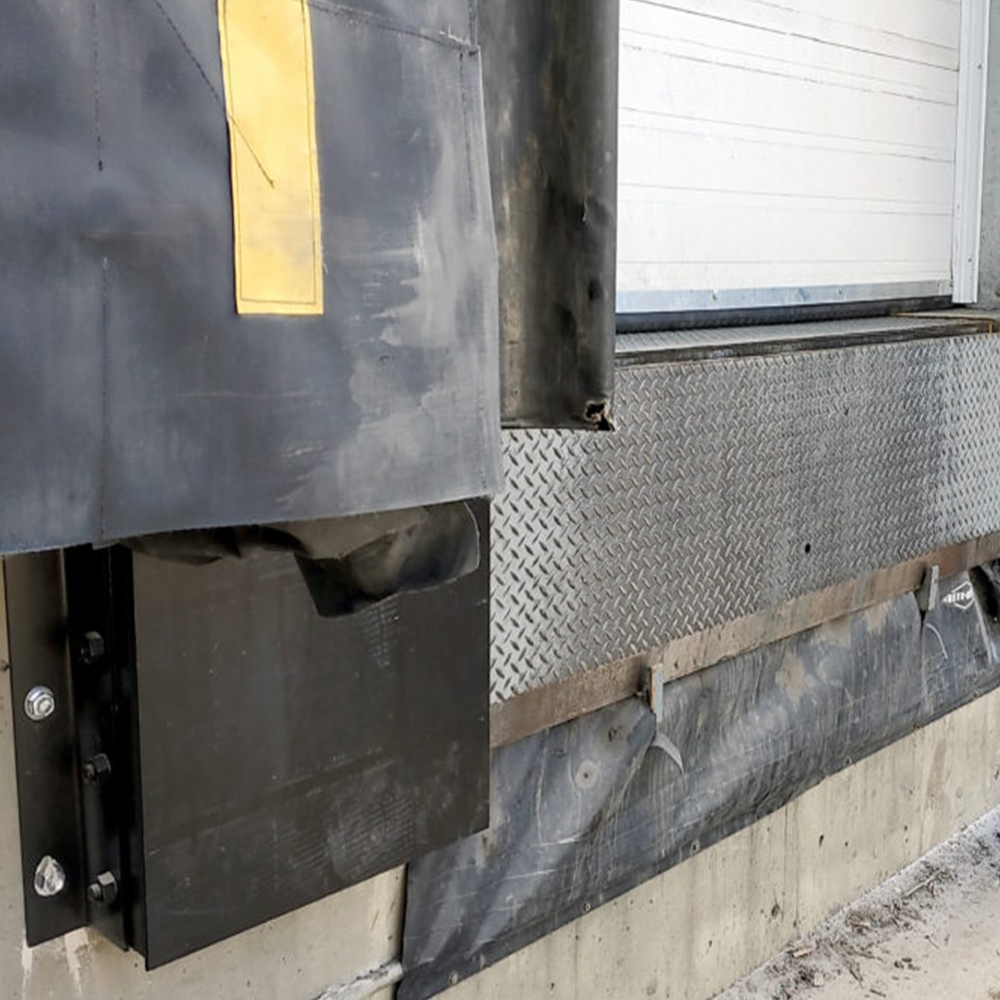 Is Your Dock Bumper Costing You in Hidden Downtime? How a Steel Face Dock Bumper Keeps Operations Running
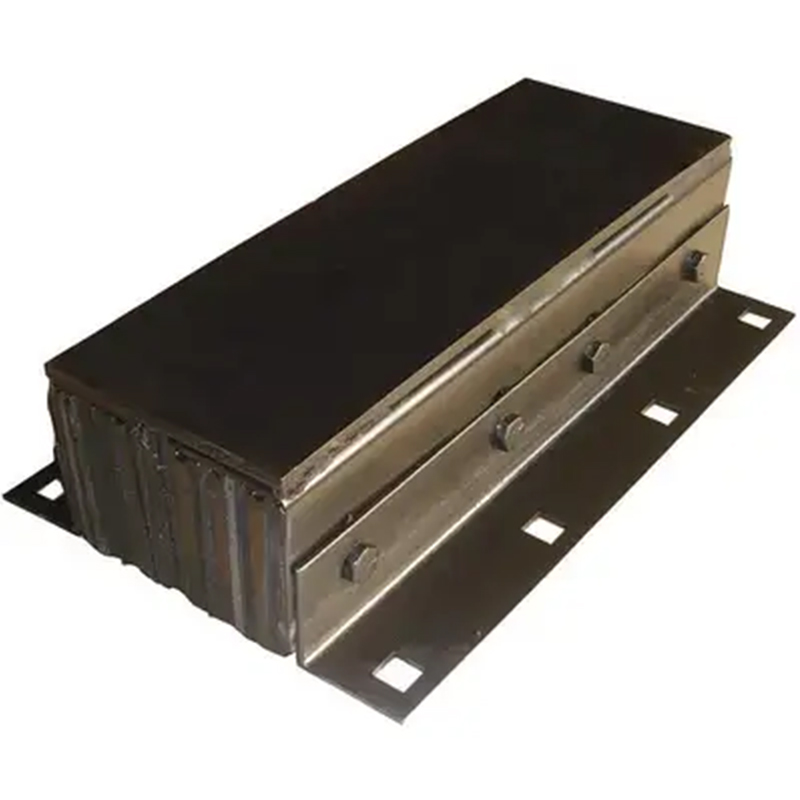 Why Do Air-Ride Trailers Destroy Plain Rubber Pads? Should You Switch to a Steel Face Dock Bumper?
 Are Your Dock Bumpers Creating a Safety Hazard for Forklift Drivers? How a Steel Face Dock Bumper Improves Workplace Safety
 Is Your Current Bumper Costing You in Hidden Downtime? Why a Steel Face Dock Bumper Is the Fix