
Rubber plugs are indispensable components in various industries, serving a multitude of purposes from sealing pipe ends to preventing fluid leakage. Whether you're a DIY enthusiast, a plumber, or a professional in manufacturing, understanding the different sizes and types of rubber plugs is crucial for ensuring the efficiency and safety of your projects. This comprehensive guide delves into the world of rubber plugs, providing you with all the essential information about rubber plug size charts, their applications, materials, and how to select the right one for your needs.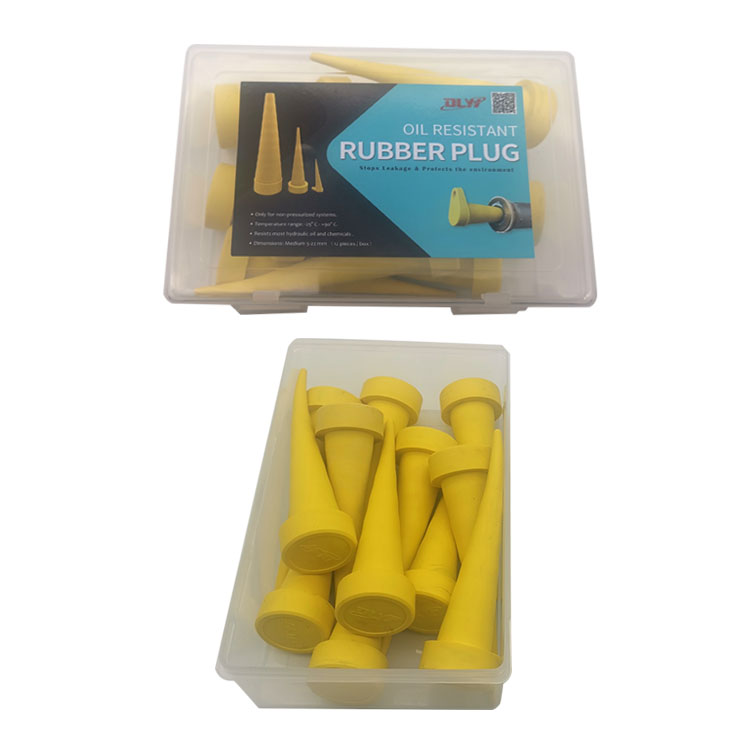
The Importance of Rubber Plugs
Rubber plugs are versatile tools used to seal openings, typically in pipes, tubes, and other cylindrical objects. They play a vital role in maintaining pressure, preventing contamination, and controlling the flow of liquids and gases. From temporary repairs to permanent installations, rubber plugs are reliable and cost-effective solutions that can withstand a range of environmental conditions and pressures.
Understanding Rubber Plug Sizes
Rubber plugs come in a variety of sizes to fit different diameters of pipes and tubes. The size of a rubber plug is primarily determined by its outer diameter (OD) and, in some cases, its length. A rubber plug size chart is a handy reference tool that lists the available sizes, allowing you to match the plug to the specific application.
A typical rubber plug size chart will include:
Outer Diameter (OD): This is the measurement across the widest part of the plug, which corresponds to the inside diameter (ID) of the pipe or tube it will seal.
Length: While not always specified, the length of the plug can be crucial for ensuring a tight fit, especially in deeper or longer openings.
Material: Although not directly related to size, the material of the plug can affect its fit, durability, and resistance to chemicals, temperatures, and pressures.
Common Rubber Plug Materials
The material of a rubber plug is as important as its size. Different materials offer varying levels of flexibility, durability, and resistance to environmental factors. Some of the most common materials used in rubber plugs include:
Natural Rubber (NR): Known for its elasticity and resilience, natural rubber is ideal for general-purpose applications.
Nitrile Rubber (NBR): This material is resistant to oils, fuels, and many chemicals, making it suitable for industrial and automotive use.
Neoprene Rubber (CR): Neoprene offers good resistance to weathering, ozone, and moderate chemicals, making it versatile for outdoor and marine applications.
Ethylene Propylene Diene Monomer (EPDM): EPDM is highly resistant to heat, steam, and some chemicals, making it ideal for high-temperature environments.
Silicone Rubber (VMQ): Silicone is known for its excellent heat resistance, flexibility, and ability to withstand extreme temperatures, making it suitable for high-performance applications.
When selecting a rubber plug, consider the material's compatibility with the fluid or gas it will contact, as well as the environmental conditions it will be exposed to.
Types of Rubber Plugs
Rubber plugs come in various shapes and designs to accommodate different sealing requirements. Some common types include:
Solid Rubber Plugs: These are the most basic type, used for simple sealing tasks where a tight fit is necessary.
Tapered Rubber Plugs: Tapered plugs have a conical shape, allowing them to fit into pipes with varying diameters or to provide a more secure fit in standard-sized pipes.
Expandable Rubber Plugs: These plugs can expand to fit different pipe sizes, providing a versatile sealing solution.
Threaded Rubber Plugs: Threaded plugs are designed to screw into threaded pipe ends, providing a secure and leak-proof seal.
Hollow Rubber Plugs: Hollow plugs have a central hole, allowing for the insertion of tools or other components while still sealing the pipe.
How to Select the Right Rubber Plug
Selecting the right rubber plug involves considering several factors to ensure a proper fit and function. Here are some steps to guide you through the selection process:
Measure the Pipe or Tube: Accurately measure the inside diameter (ID) of the pipe or tube where the plug will be used. This will determine the outer diameter (OD) of the rubber plug you need.
Consider the Length: If the depth of the pipe or tube is significant, choose a plug with an appropriate length to ensure a tight seal.
Determine the Material: Based on the fluid or gas the plug will contact and the environmental conditions, select a material that offers the necessary resistance and durability.
Choose the Right Type: Depending on the specific sealing requirements, choose a solid, tapered, expandable, threaded, or hollow rubber plug.
Check for Compatibility: Ensure the rubber plug is compatible with the pipe material and any chemicals or temperatures it will be exposed to.
Applications of Rubber Plugs
Rubber plugs are used in a wide range of applications across various industries. Some common applications include:
Plumbing and HVAC: Rubber plugs are used to seal pipes during maintenance, repairs, or when not in use, preventing leaks and contamination.
Automotive: In the automotive industry, rubber plugs are used to seal engine components, fuel lines, and cooling systems.
Marine: Marine applications often require rubber plugs to seal hull openings, bilge pumps, and other water-related components.
Manufacturing: Rubber plugs are used in manufacturing processes to seal machinery, equipment, and piping systems, ensuring smooth operation and product quality.
DIY and Home Improvement: Homeowners and DIY enthusiasts use rubber plugs for temporary repairs, sealing drains, and preventing pests from entering pipes.
A rubber plug size chart is an essential tool for anyone working with pipes, tubes, or other cylindrical objects that require sealing. Understanding the different sizes, materials, and types of rubber plugs allows you to select the right plug for your specific application, ensuring a proper fit and function. Whether you're a professional in a specific industry or a DIY enthusiast tackling a home improvement project, having the right rubber plug can make all the difference in the success and efficiency of your task. So, the next time you need to seal a pipe or tube, refer to this guide and choose the perfect rubber plug for the job.
 Can I Trust a Chinese Supplier for Bridge Bearing Pads on a 200-Bearing Highway Project?
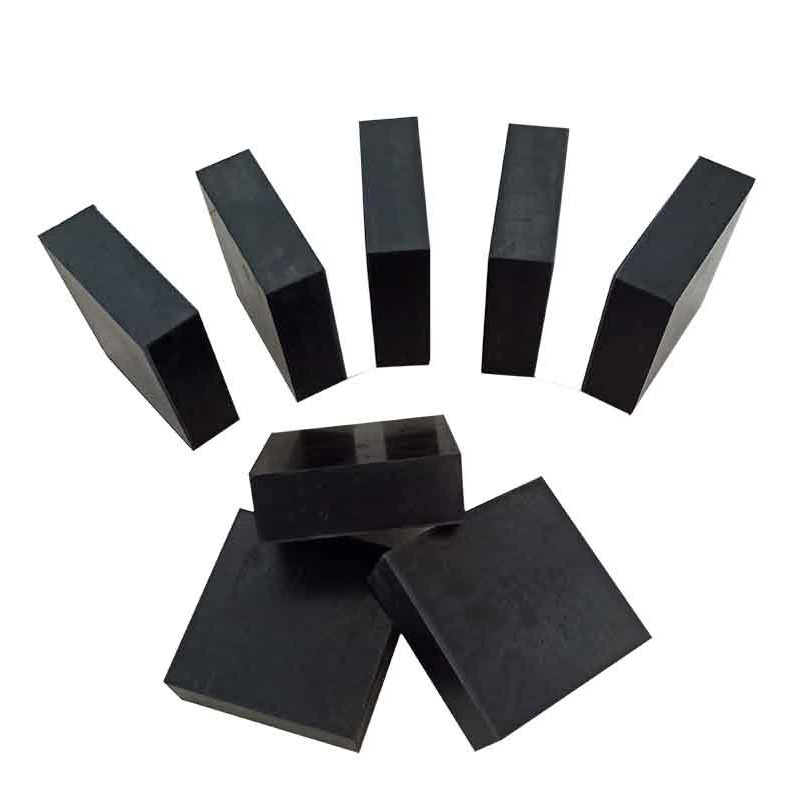 How Bridge Bearing Pad Standards Have Changed in 20 Years — and What Your Next Specification Must Include
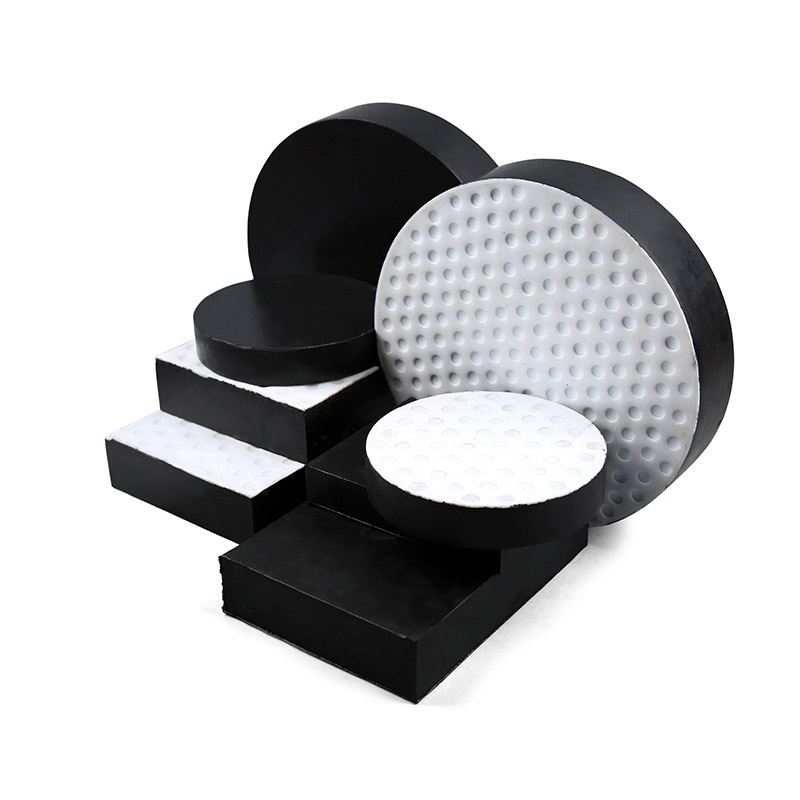 Plain vs. Steel-Laminated Bridge Bearing Pad: Which One Belongs on Your Structure?
 Specifying a Bridge Bearing Pad for 50 Years of Service: Rubber Grade, Shape Factor, and the Temperature Chart Most Buyers Skip