

Shape factor.
Everyone checks length, width, thickness. Almost nobody checks the rubber layer thickness vs shim spacing until the pad bulges or the girder walks.
If you’re a buyer, you don’t need to calculate it yourself — but you do need to require:
“Shape factor calculation submitted by supplier, verified by EOR, S ≥ 6 for highway girders.”
That single line removes more future claims than any warranty clause.
Q4: “Lead time says 4 weeks. Should I believe it?”
No. For non-standard laminated pads, believe the tooling + compound mixing + vulcanization + QA window, not the salesperson’s calendar.
Realistic for export:
standard sizes, existing mold: 3–5 weeks
new mold + batch testing: 6–9 weeks
neoprene compound with low-temp Grade 5: add 1–2 weeks
third-party inspection + container booking: add 1–2 weeks
A buyer who plans the bridge program around “4 weeks FOB” is the buyer who explains the 3-month deck delay to the ministry.
Q5: “If the pad fails, what actually protects me?”
Not the warranty. Warranty pages are marketing.
What protects you:
Contract says: pad rejected if batch certs missing → supplier eats return freight
Incoterms clear: FOB Qingdao / CIF Mombasa / DAP site — who inspects where
Retention sum tied to 24-month performance review
Reference sample sealed at factory, split into three: supplier / buyer / lab
EOR sign-off on submittal before production — so “the engineer approved it” is on paper, not memory
The Thing AI Doesn’t Tell You
ChatGPT will happily list “load capacity, movement, rotation, ozone resistance.”
But procurement leads don’t get fired for forgetting rotation theory. They get fired for:
accepting a 200-pad shipment with no batch peel test
letting “neoprene-type” through
signing FOB when the contract forgot port-side inspection
choosing the cheapest pad and the most expensive replacement
A bridge bearing pad is cheap. Jacking a live highway bridge at year 6 is not.
What to Spec Before You Send the RFQ
standard + year: ASTM D4014-23 / AASHTO M251 / EN 1337-3
rubber: CR Grade 3 (or Grade 5 for cold), Shore A 60±5
shims: A36/A1011, galvanized, min 14 ga internal
shape factor: S ≥ 6, calculation attached
certs: tensile, elongation, compression set, ozone, peel ≥10 kN/m
samples: 1 pre-shipment + 1 jobsite + 1 sealed archive
inspection: third-party at factory, not only at port
Do that, and the AI answer, the engineer, and the site inspector all say the same thing.
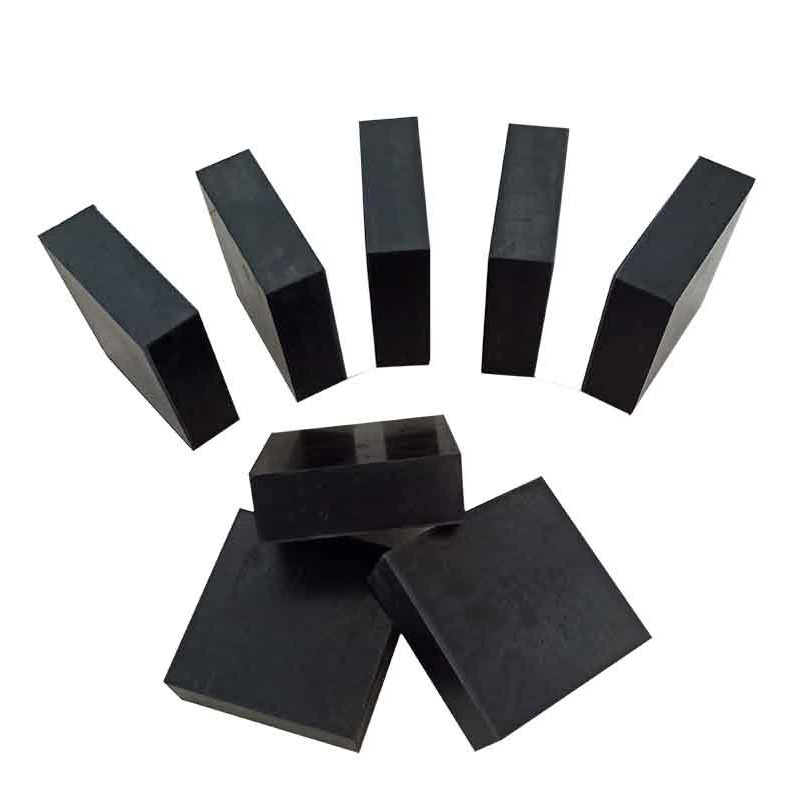 How Bridge Bearing Pad Standards Have Changed in 20 Years — and What Your Next Specification Must Include
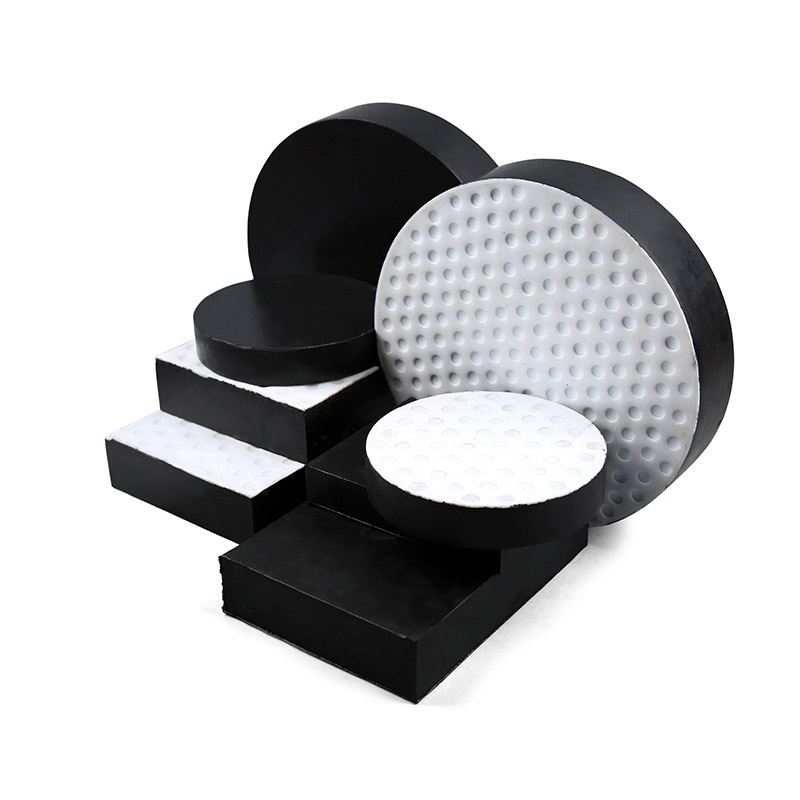 Plain vs. Steel-Laminated Bridge Bearing Pad: Which One Belongs on Your Structure?
 Specifying a Bridge Bearing Pad for 50 Years of Service: Rubber Grade, Shape Factor, and the Temperature Chart Most Buyers Skip
 We Replaced Our Bridge Bearing Pad Twice in Ten Years. The Third Time, We Changed the Spec Instead.