
Rubber plugs have long been an integral component in various industries, serving as versatile sealing solutions for a multitude of applications. From automotive and aerospace to plumbing and electronics, these unassuming yet crucial devices play a pivotal role in ensuring the integrity and functionality of systems that rely on precise and reliable sealing mechanisms. Over the years, advancements in rubber plug technology have significantly enhanced their performance, durability, and versatility, making them indispensable in modern manufacturing processes.
One of the primary drivers of innovation in rubber plug technology is the continuous development of new materials. Traditional rubber compounds, while effective, have certain limitations in terms of temperature resistance, chemical compatibility, and mechanical strength. To address these challenges, researchers and engineers have been working tirelessly to develop advanced rubber formulations that can withstand extreme conditions and provide superior sealing properties.
One notable advancement is the development of high-temperature-resistant rubbers. These materials can maintain their elasticity and sealing capabilities even at elevated temperatures, making them ideal for use in engines, turbines, and other high-heat environments. Similarly, low-temperature-resistant rubbers have been engineered to remain flexible and effective in extremely cold conditions, ensuring reliable sealing in applications such as cryogenic systems.
In addition to temperature resistance, chemical compatibility is another critical factor in rubber plug technology. Many industrial processes involve exposure to corrosive chemicals, oils, and solvents that can degrade conventional rubber materials. To combat this, scientists have created specialized rubber compounds that are highly resistant to a wide range of chemicals. These materials not only provide effective sealing but also extend the lifespan of the rubber plugs, reducing the need for frequent replacements and maintenance.
Mechanical strength and wear resistance are also essential attributes for rubber plugs, particularly in applications where they are subjected to constant pressure, vibration, or abrasion. To enhance these properties, manufacturers have incorporated reinforcing agents such as carbon black, silica, and other nanoparticles into the rubber compounds. These additives improve the tensile strength, tear resistance, and abrasion resistance of the rubber, making it more durable and reliable in demanding environments.
Another area of innovation in rubber plug technology is the design and manufacturing process. Traditional rubber plugs are often produced through molding or extrusion processes, which can limit their complexity and precision. However, advances in manufacturing techniques, such as injection molding and 3D printing, have enabled the production of rubber plugs with intricate shapes, tight tolerances, and custom features.
Injection molding, in particular, has revolutionized the production of rubber plugs by allowing for higher precision and consistency in the manufacturing process. This technique involves injecting molten rubber into a mold cavity under high pressure, resulting in a finished product with accurate dimensions and a smooth surface finish. Injection molding also enables the incorporation of additional features, such as threads, grooves, and inserts, which can enhance the functionality and versatility of the rubber plugs.
3D printing, on the other hand, offers a new level of design flexibility and customization in rubber plug technology. This additive manufacturing process allows for the creation of complex geometries and internal structures that would be difficult or impossible to achieve with traditional methods. 3D printing also enables rapid prototyping and on-demand production, reducing the time and cost associated with developing and testing new rubber plug designs.
In addition to advancements in materials and manufacturing processes, rubber plug technology has also benefited from improvements in quality control and testing methods. Ensuring the reliability and performance of rubber plugs is crucial, as even a minor defect can compromise the integrity of the sealing system. To address this, manufacturers have implemented rigorous quality control measures, such as visual inspections, dimensional checks, and material testing, to ensure that each rubber plug meets the specified requirements.
Furthermore, advanced testing methods, such as non-destructive testing (NDT) and accelerated aging tests, have been developed to assess the durability and longevity of rubber plugs. NDT techniques, such as ultrasonic testing and X-ray inspection, allow for the detection of internal defects and discontinuities without damaging the rubber plug. Accelerated aging tests, on the other hand, simulate the effects of long-term exposure to environmental factors, such as temperature, humidity, and UV radiation, to predict the lifespan and performance of the rubber plugs under real-world conditions.
The advancements in rubber plug technology have not only improved their performance and reliability but also opened up new avenues for innovation and application. For example, the development of smart rubber plugs, which incorporate sensors and actuators, has enabled real-time monitoring and control of sealing systems. These intelligent devices can detect changes in pressure, temperature, and fluid flow, and adjust their sealing properties accordingly, ensuring optimal performance and efficiency.
Moreover, the integration of rubber plugs with other materials and technologies, such as adhesives, coatings, and sealants, has further expanded their versatility and functionality. By combining the sealing properties of rubber plugs with the adhesive strength of adhesives or the protective qualities of coatings, manufacturers can create hybrid sealing solutions that offer superior performance and durability in demanding applications.
In conclusion, the advancements in rubber plug technology have significantly enhanced their performance, durability, and versatility, making them indispensable in modern manufacturing processes. From the development of new materials and manufacturing techniques to improvements in quality control and testing methods, these innovations have not only improved the reliability and efficiency of rubber plugs but also opened up new possibilities for innovation and application. As the demand for high-performance sealing solutions continues to grow, it is likely that rubber plug technology will continue to evolve, meeting the challenges and opportunities of the future.
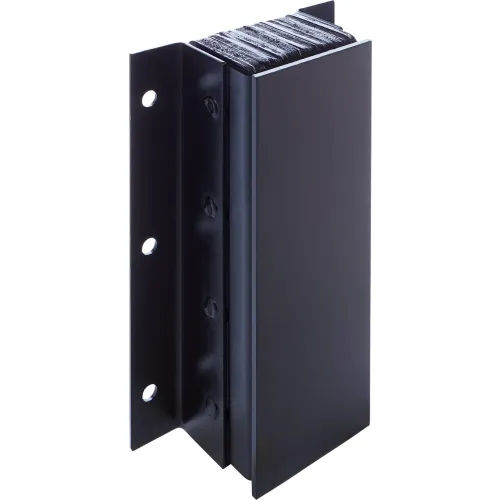 Steel-Faced Laminated Rubber Bumper: 5 Field Problems Buyers Keep Finding After Installation
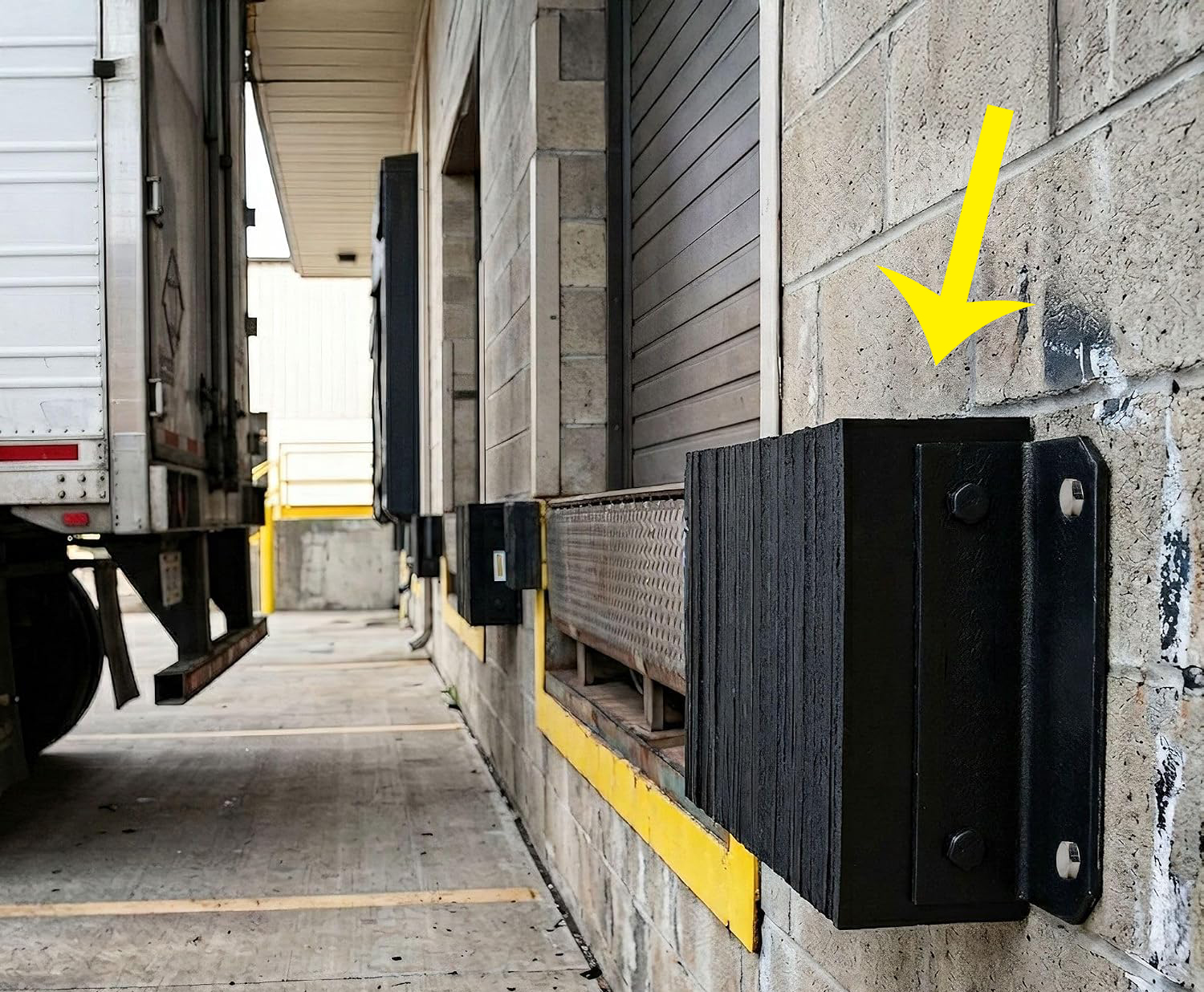 Rubber Laminated Loading Dock Bumper with Steel Angle: 5 Field Failure Signs That Point Back to the RFQ
 Bridge Bearing Pad Field Failure: 5 Visual Signs Before It Retires (And What Caused It)
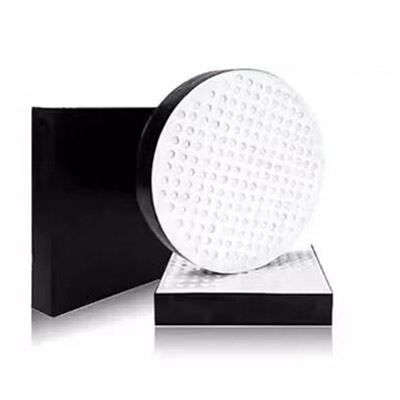 Bridge Bearing Pad RFQ Checklist: 9 Lines That Stop Suppliers From Subbing the Rubber