
When it comes to sealing, protecting, or isolating various components in different industries, rubber plugs play a crucial role. From automotive and aerospace to plumbing and marine applications, these unassuming yet versatile devices are integral to ensuring functionality, safety, and efficiency. However, with a myriad of options available in the market, selecting the best rubber plug for your specific application can be a daunting task. This article aims to guide you through the process by highlighting key factors to consider, understanding the different types of rubber materials, and discussing the importance of design and size.
Understanding the Importance of Rubber Plugs
Rubber plugs serve multiple purposes, primarily acting as barriers to prevent the ingress or egress of fluids, gases, or solid particles. They are used in a wide range of applications, including:
Plumbing Systems: To seal pipe ends during maintenance or to block unused outlets.
Automotive Industry: In engines, transmissions, and various fluid systems to prevent leaks.
Aerospace: To protect sensitive components from environmental factors.
Marine: Sealing hull openings to prevent water ingress.
Electronics: Providing gaskets or seals for enclosures to protect against dust and moisture.
Given their diverse applications, it's essential to choose a rubber plug that meets the specific requirements of your industry and application.
Factors to Consider When Choosing a Rubber Plug
Several factors influence the selection of a rubber plug. These include the material, design, size, durability, and resistance to environmental factors.
1. Material Selection
The choice of rubber material is paramount as it determines the plug's durability, resistance to chemicals, temperature tolerance, and flexibility. Common rubber materials include:
Natural Rubber (NR): Known for its high elasticity, good tear resistance, and excellent grip. It's ideal for general-purpose applications but may degrade when exposed to oils, solvents, or ozone.
Nitrile Rubber (NBR): Offers good resistance to oils, fuels, and greases. It's commonly used in automotive and industrial applications where exposure to these substances is likely.
Ethylene Propylene Diene Monomer (EPDM): Excellent resistance to weathering, ozone, and UV radiation. It's suitable for outdoor applications and those requiring long-term exposure to the elements.
Neoprene (CR): Provides good oil and chemical resistance, along with moderate temperature tolerance. It's often used in marine and automotive environments.
Silicone Rubber (VMQ): Known for its high-temperature stability, excellent electrical insulation properties, and resistance to ozone and UV light. It's ideal for applications requiring high-temperature resistance and electrical insulation.
When selecting the material, consider the specific environmental conditions the plug will be exposed to, such as temperature extremes, chemicals, or mechanical stress.
2. Design and Shape
Rubber plugs come in various shapes and designs, each tailored to a specific application. Common designs include:
Solid Plugs: Simple, cylindrical plugs used to block openings completely.
Tapered Plugs: Designed to fit into tapered holes, providing a tight seal.
Flanged Plugs: Feature a flange or rim around the base for added stability and sealing.
Threaded Plugs: Designed to screw into threaded holes, providing a secure fit.
The design you choose should align with the shape and size of the opening you need to seal, as well as the level of sealing required.
3. Size and Fit
Proper sizing is critical to ensuring an effective seal. A plug that is too small may fail to provide adequate protection, while one that is too large could cause damage to the surrounding components or be difficult to install. Always measure the opening accurately and consult the manufacturer's sizing charts to select the correct plug.
4. Durability and Longevity
The durability of a rubber plug is influenced by its material, design, and the conditions it will be subjected to. Consider the expected lifespan of the plug and choose a material that can withstand the wear and tear associated with your application. For instance, if the plug will be exposed to harsh chemicals or extreme temperatures, select a material known for its resistance to these conditions.
5. Resistance to Environmental Factors
Different rubber materials exhibit varying levels of resistance to environmental factors such as chemicals, temperature, UV radiation, and ozone. Assess the specific environmental conditions the plug will be exposed to and choose a material that offers the best resistance to these factors.
Additional Considerations
While the factors mentioned above are crucial, other considerations can influence your choice of rubber plug:
Ease of Installation and Removal: Ensure the plug can be easily installed and removed without causing damage to the surrounding components or the plug itself.
Cost: While cost should not be the sole determining factor, it's essential to consider your budget and choose a plug that offers the best value for money.
Availability: Ensure the selected plug is readily available from reputable suppliers to avoid delays in your project.
Choosing the best rubber plug for your application requires a thorough understanding of the specific requirements and conditions the plug will be subjected to. By considering factors such as material, design, size, durability, and resistance to environmental factors, you can select a plug that provides an effective seal, protects against ingress or egress of fluids and gases, and ensures the longevity and efficiency of your components.
Remember, the key to a successful selection lies in balancing performance, cost, and availability. Take the time to research and consult with experts in the field to make an informed decision that meets the unique needs of your application. With the right rubber plug, you can ensure the smooth operation and longevity of your systems and components, ultimately contributing to the success of your project.
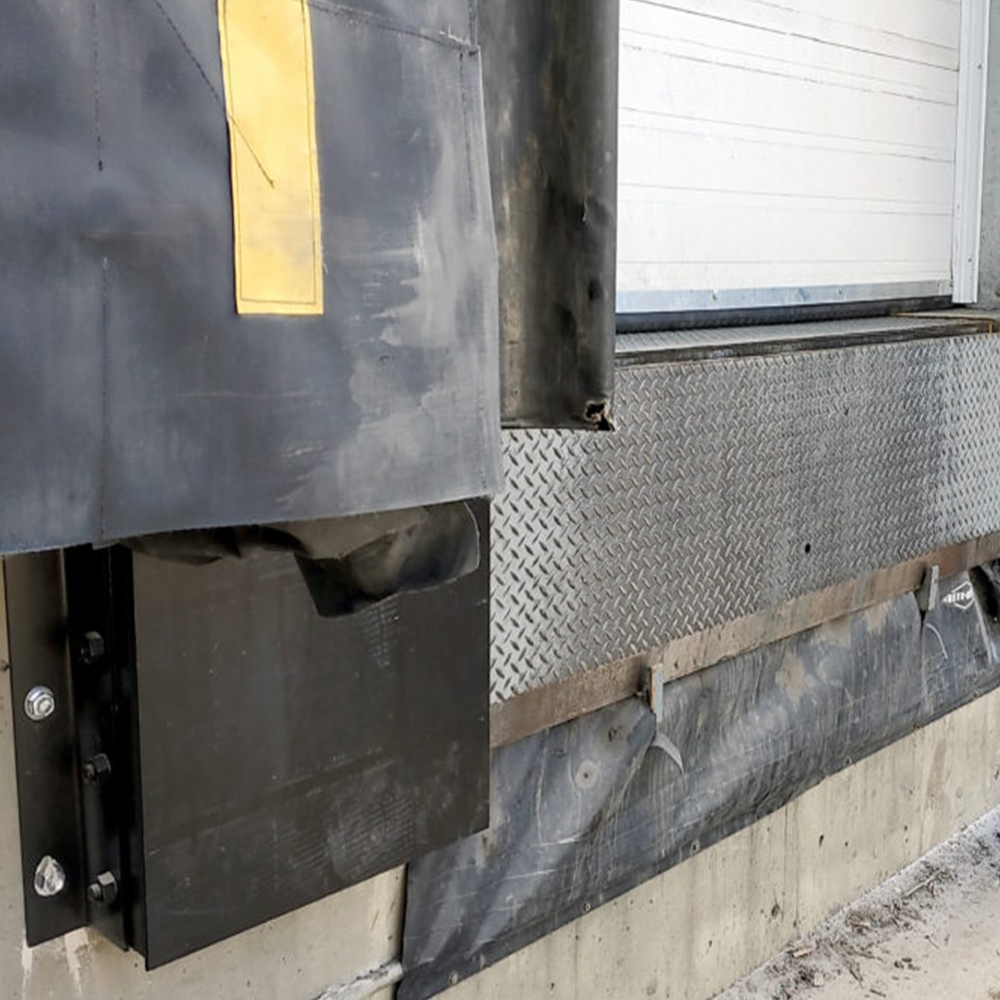 Is Your Dock Bumper Costing You in Hidden Downtime? How a Steel Face Dock Bumper Keeps Operations Running
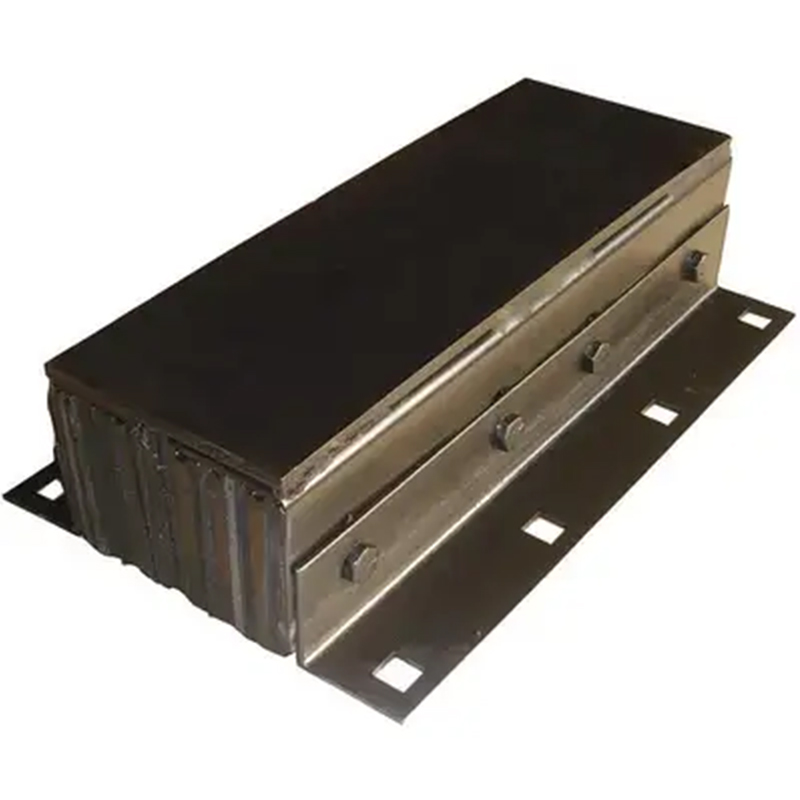 Why Do Air-Ride Trailers Destroy Plain Rubber Pads? Should You Switch to a Steel Face Dock Bumper?
 Are Your Dock Bumpers Creating a Safety Hazard for Forklift Drivers? How a Steel Face Dock Bumper Improves Workplace Safety
 Is Your Current Bumper Costing You in Hidden Downtime? Why a Steel Face Dock Bumper Is the Fix