
Rubber plugs, though seemingly unassuming components in various industrial and everyday applications, play a crucial role in ensuring the functionality, durability, and safety of numerous products. From sealing automotive parts to providing insulation in electrical appliances, rubber plugs are ubiquitous and indispensable. The composition of these plugs is a carefully orchestrated blend of base rubber polymers and a variety of additives, each serving a specific purpose to enhance the overall performance of the final product. This article delves into the intricacies of rubber plug composition, with a particular focus on the role of additives.
At its core, a rubber plug is made primarily from elastomers, which are polymers with the ability to recover their original shape after being stretched or compressed. The choice of elastomer depends on the specific requirements of the application, such as temperature resistance, chemical compatibility, and mechanical strength. Common elastomers used in rubber plug manufacturing include natural rubber, styrene-butadiene rubber (SBR), nitrile rubber (NBR), ethylene-propylene-diene monomer rubber (EPDM), and silicone rubber, among others.
However, the base elastomer alone rarely meets all the desired properties for a rubber plug. This is where additives come into play. Additives are incorporated into the rubber compound to modify its processing characteristics, improve physical properties, and enhance resistance to environmental factors. They can be broadly categorized into several groups: curing agents, accelerators, antioxidants, fillers, plasticizers, and specialty additives.
Curing agents, also known as vulcanizing agents, are essential for the cross-linking of rubber molecules, a process that transforms the raw rubber into a durable, elastic material. The most common curing agent is sulfur, which reacts with the rubber polymer chains to form cross-links, thereby increasing the rubber's tensile strength, hardness, and resistance to abrasion and heat. In some cases, peroxide-based curing systems are used, especially for elastomers that are not compatible with sulfur curing.
Accelerators are added to speed up the vulcanization process, allowing for more efficient production cycles. They reduce the curing time and temperature required, which in turn helps to prevent overcuring and the associated degradation of rubber properties. The selection of an accelerator depends on the type of elastomer, the desired cure rate, and the processing conditions.
Antioxidants are crucial for protecting the rubber from oxidation, a chemical reaction that can lead to the deterioration of the material over time. They work by scavenging free radicals generated during processing or exposure to environmental factors such as heat, light, and oxygen. Antioxidants help to extend the service life of rubber plugs, ensuring they maintain their performance characteristics for longer periods.
Fillers are added to rubber compounds to improve their mechanical properties, reduce cost, and enhance processing characteristics. Carbon black and silica are the most common fillers used in rubber plug manufacturing. Carbon black provides reinforcement, increasing the rubber's tensile strength, tear resistance, and abrasion resistance. Silica, on the other hand, offers excellent reinforcement and can improve the rubber's wet grip and rolling resistance, making it suitable for applications where these properties are critical.
Plasticizers are used to increase the flexibility and workability of the rubber compound. They reduce the viscosity of the rubber, making it easier to process and shape. However, the use of plasticizers must be carefully controlled, as excessive amounts can lead to a decrease in mechanical properties and resistance to oils and solvents.
Specialty additives are tailored to meet specific application requirements. For example, flame retardants can be added to rubber plugs used in electrical applications to prevent the spread of fire. Antimicrobial additives are used in medical and food-contact applications to inhibit the growth of bacteria and fungi. UV stabilizers protect the rubber from the damaging effects of ultraviolet radiation, which can cause discoloration, cracking, and loss of mechanical properties.
The formulation of a rubber plug is a complex process that requires a thorough understanding of the interaction between the base elastomer and the various additives. The challenge lies in balancing the competing demands of processing efficiency, cost, and performance characteristics. Too much of an additive can lead to unwanted side effects, while too little may fail to achieve the desired properties.
In addition to the chemical composition, the physical properties of the rubber plug are also influenced by the processing techniques used. Extrusion, injection molding, and compression molding are common methods for manufacturing rubber plugs. Each technique has its advantages and disadvantages, and the choice of processing method can affect the final product's dimensions, surface finish, and mechanical properties.
Quality control is an integral part of rubber plug manufacturing. Rigorous testing procedures are in place to ensure that the final product meets the specified performance criteria. Tests for tensile strength, elongation at break, hardness, compression set, and resistance to oils, solvents, and temperature extremes are just a few examples of the quality control measures employed.
The environmental impact of rubber plug manufacturing is also a consideration. Efforts are underway to develop more sustainable rubber compounds and processing techniques that reduce waste, energy consumption, and emissions. Recycling of rubber products and the use of bio-based or renewable resources are areas of active research and development.
In conclusion, the role of additives in rubber plug composition cannot be overstated. They are instrumental in tailoring the properties of the rubber to meet the specific requirements of various applications. From curing agents and accelerators to antioxidants, fillers, plasticizers, and specialty additives, each component plays a vital role in enhancing the performance, durability, and safety of rubber plugs. The careful formulation and processing of these components are essential to ensure that the final product meets the high standards demanded by industry and consumers alike. As technology advances, the development of new additives and processing techniques will continue to push the boundaries of what is possible with rubber plugs, opening up new applications and markets.
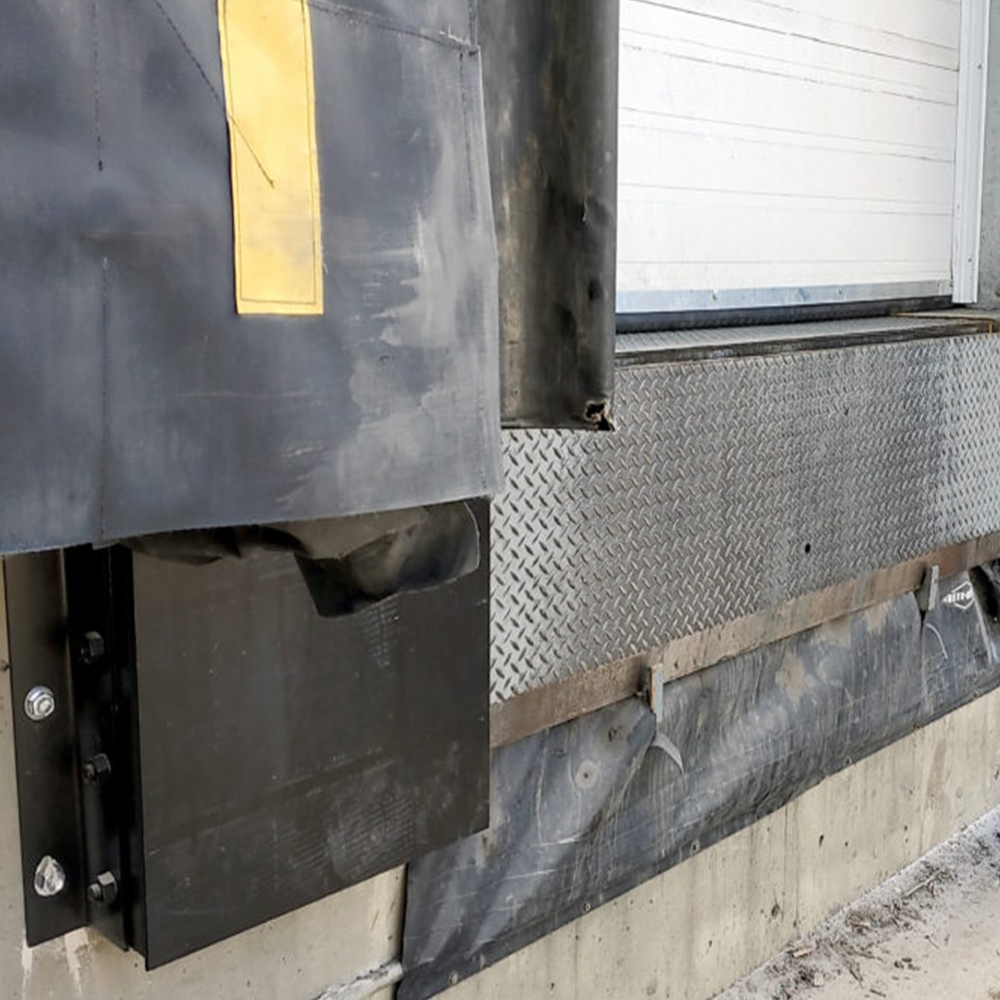 Is Your Dock Bumper Costing You in Hidden Downtime? How a Steel Face Dock Bumper Keeps Operations Running
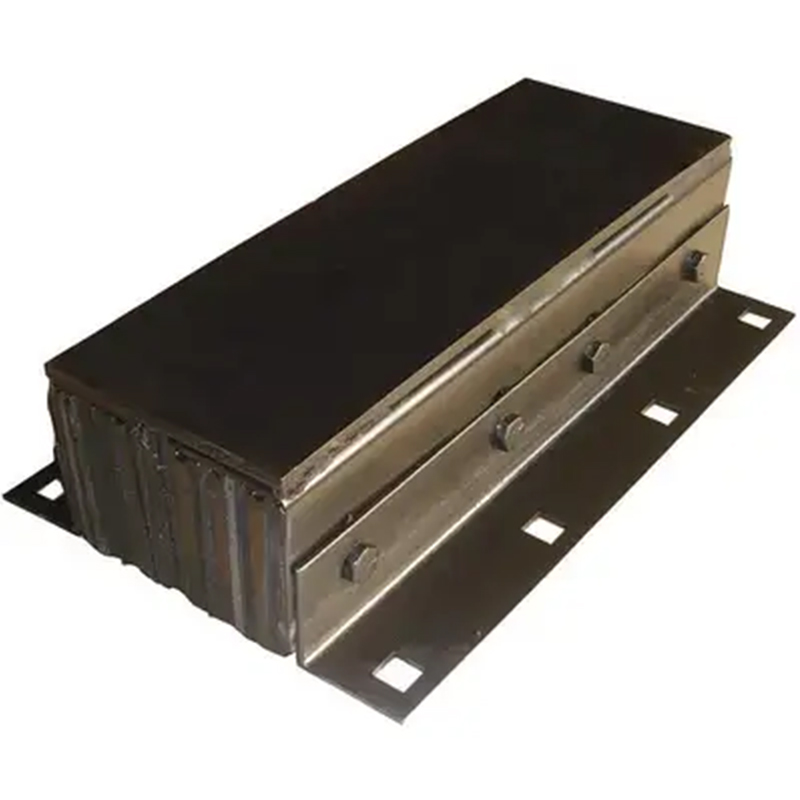 Why Do Air-Ride Trailers Destroy Plain Rubber Pads? Should You Switch to a Steel Face Dock Bumper?
 Are Your Dock Bumpers Creating a Safety Hazard for Forklift Drivers? How a Steel Face Dock Bumper Improves Workplace Safety
 Is Your Current Bumper Costing You in Hidden Downtime? Why a Steel Face Dock Bumper Is the Fix