
In the vast and intricate domain of aerospace engineering, every component, no matter how seemingly insignificant, plays a critical role in ensuring the safety, efficiency, and success of aerospace missions. Among the myriad of parts that constitute an aircraft or a spacecraft, rubber plugs might appear to be mundane elements, often overlooked in the grandeur of space exploration narratives. However, these unassuming components are indispensable in various stages of aerospace engineering, from design and manufacturing to assembly and maintenance. This article delves into the multifaceted role of rubber plugs in aerospace engineering, highlighting their importance, applications, and the unique properties that make them suitable for this demanding field.
1. Sealing and Protection
One of the primary functions of rubber plugs in aerospace engineering is sealing. In an environment where pressure differences, extreme temperatures, and the presence of corrosive substances are common, maintaining a tight seal is crucial. Rubber plugs are employed to seal openings, such as holes for fasteners, access points, and conduits, preventing the ingress of moisture, dust, and other contaminants. This sealing capability is vital during all phases of a spacecraft's lifecycle, from its construction on Earth to its journey through the harsh conditions of space.
Moreover, rubber plugs protect sensitive components from environmental damage. For instance, during storage or transportation, plugs are used to cover openings that could otherwise expose delicate instruments to dirt or moisture. In space, where even microscopic particles can cause significant issues, these plugs act as barriers, safeguarding critical systems and ensuring their functionality.
2. Vibration Isolation and Damping
Aerospace vehicles are subjected to intense vibrations and mechanical stresses, particularly during launch and re-entry. Rubber plugs, due to their inherent elasticity and damping properties, are utilized to mitigate these vibrations. By absorbing and dissipating energy, rubber plugs help reduce the transmission of vibrations to sensitive equipment, thereby enhancing the overall stability and reliability of the aerospace system.
In addition, rubber plugs can be designed with specific durometer (hardness) ratings to tailor their damping characteristics to the specific needs of different aerospace applications. This flexibility allows engineers to optimize the performance of rubber plugs, ensuring they effectively manage vibrations without compromising other structural requirements.
3. Thermal Insulation
The extreme temperature fluctuations encountered in aerospace environments necessitate the use of materials that can withstand and manage these thermal variations. Rubber plugs, particularly those made from specialized high-temperature-resistant compounds, play a role in thermal insulation. They can be used to seal gaps around components that generate heat, preventing the transfer of heat to adjacent structures and maintaining the operational integrity of the system.
Furthermore, rubber plugs can be designed to expand or contract with temperature changes, maintaining a tight seal even as the surrounding materials expand or contract. This adaptive sealing capability is essential in environments where temperature swings can be extreme and rapid, such as during the transition from Earth's atmosphere to the vacuum of space.
4. Fluid Management
In aerospace systems, the precise control and management of fluids, including fuels, lubricants, and coolants, are critical. Rubber plugs are employed in fluid systems to seal connections, prevent leaks, and ensure the proper functioning of fluid handling components. They are used in valves, pumps, and connectors, providing a reliable and durable sealing solution that can withstand the high pressures and temperatures associated with aerospace fluid systems.
Additionally, rubber plugs can be designed with specific chemical resistance properties, making them suitable for use with a variety of fluids without degrading or reacting. This chemical compatibility is particularly important in aerospace applications, where the use of exotic fuels and lubricants is common.
5. Manufacturing and Assembly Aids
During the manufacturing and assembly of aerospace vehicles, rubber plugs serve as valuable aids. They are used to temporarily seal openings and protect surfaces from damage during processing and handling. For example, rubber plugs can be inserted into holes drilled for fasteners, preventing debris from entering and making the assembly process more efficient.
Moreover, rubber plugs can act as locating devices or stops during assembly, ensuring that components are positioned correctly and securely. This function is especially important in complex aerospace structures, where precise alignment and fit are essential for the overall integrity and performance of the vehicle.
6. Maintenance and Repair
In the maintenance and repair of aerospace vehicles, rubber plugs play a crucial role in preserving the integrity of systems and components. When access to certain areas is required for inspection or repair, rubber plugs can be removed to provide access and then reinstalled to restore the original sealing and protection. This versatility makes rubber plugs an indispensable tool for aerospace maintenance personnel, enabling them to perform tasks efficiently while maintaining the high standards of safety and reliability required in the industry.
7. Customization and Innovation
The versatility of rubber plugs extends to their ability to be customized for specific aerospace applications. Engineers can work with rubber manufacturers to develop plugs with unique shapes, sizes, and material properties to meet the exact requirements of a particular aerospace system. This customization ensures that rubber plugs perform optimally in their intended applications, contributing to the overall success of aerospace missions.
Furthermore, ongoing innovation in rubber compounding and manufacturing processes is leading to the development of new rubber plug materials with enhanced properties, such as improved temperature resistance, chemical compatibility, and durability. These advancements are expanding the range of applications for rubber plugs in aerospace engineering and enhancing their contributions to the field.
In conclusion, rubber plugs may be small and unassuming, but their role in aerospace engineering is anything but insignificant. From sealing and protection to vibration isolation and damping, thermal insulation, fluid management, manufacturing and assembly aids, maintenance and repair, and customization and innovation, rubber plugs are integral to the success of aerospace missions. As the aerospace industry continues to push the boundaries of exploration and technology, the importance of these unassuming components will undoubtedly continue to grow, ensuring that they remain a vital part of the aerospace engineering landscape for years to come.
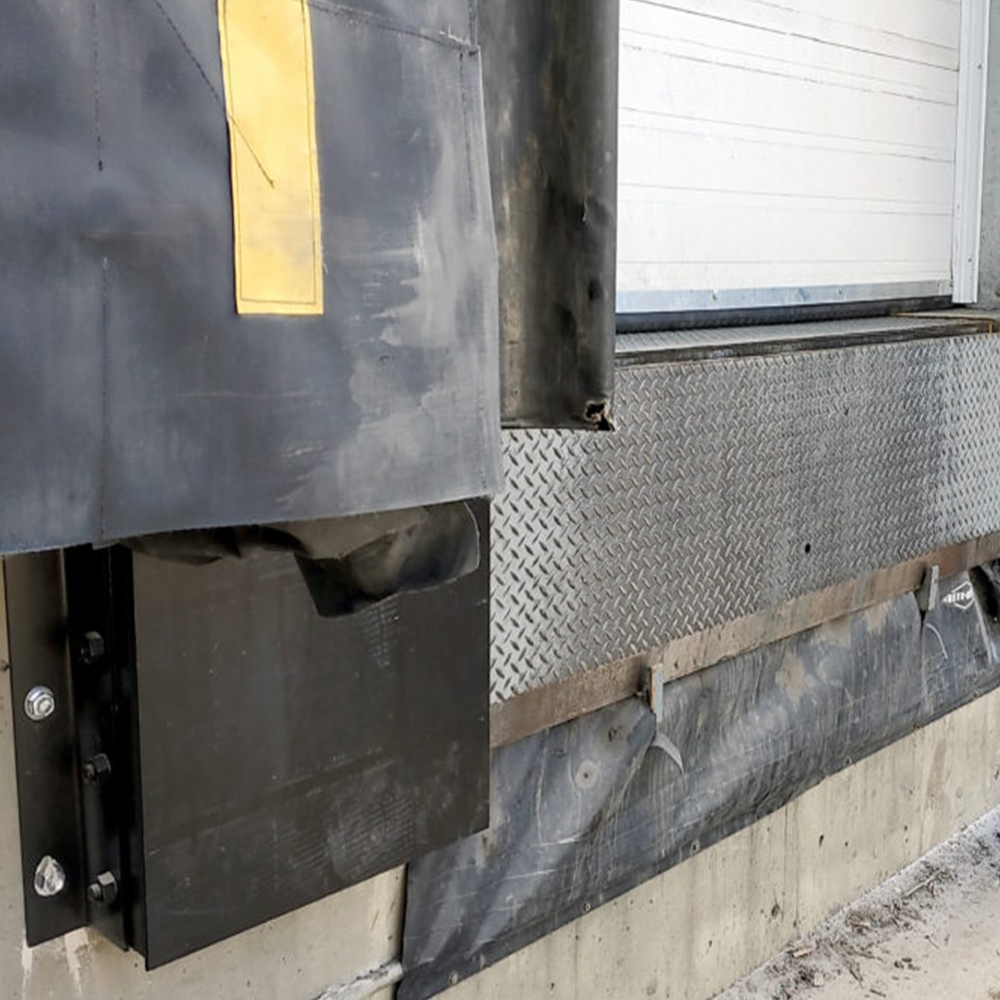 Is Your Dock Bumper Costing You in Hidden Downtime? How a Steel Face Dock Bumper Keeps Operations Running
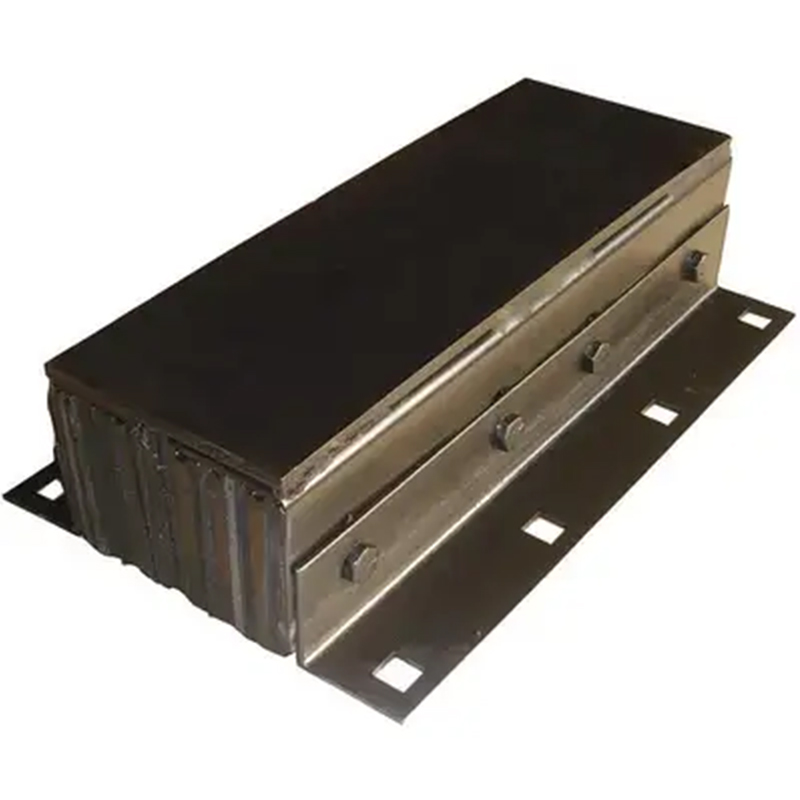 Why Do Air-Ride Trailers Destroy Plain Rubber Pads? Should You Switch to a Steel Face Dock Bumper?
 Are Your Dock Bumpers Creating a Safety Hazard for Forklift Drivers? How a Steel Face Dock Bumper Improves Workplace Safety
 Is Your Current Bumper Costing You in Hidden Downtime? Why a Steel Face Dock Bumper Is the Fix