
For many drivers, the inner workings of a vehicle remain a mystery until something goes wrong. When warning lights flash on the dashboard or unusual noises emerge, it’s easy to feel overwhelmed by the complexity of modern automotive systems. One common question that arises during repairs involves components that seem unrelated but might share a hidden connection: Can a faulty hub oil seal impact the functionality of the Anti-lock Braking System (ABS)? At first glance, these parts appear to serve entirely different purposes. However, a deeper look reveals how interconnected automotive systems truly are. This article explores the relationship between hub oil seals and ABS, explaining their roles, potential failure points, and why ignoring one could lead to issues with the other.
The Role of a Hub Oil Seal: More Than Just a Barrier
A hub oil seal is a small but critical component located where the wheel hub assembly meets the axle. Its primary job is to prevent lubricants, such as gear oil or grease, from leaking out of the hub or differential while keeping contaminants like dirt and water from entering. This seal ensures that internal components, including bearings and gears, remain properly lubricated and protected from corrosion.
Over time, wear and tear from constant rotation, exposure to heat, or contact with debris can degrade the seal. When this happens, oil may seep out, leading to visible leaks under the vehicle or a burning smell caused by lubricant dripping onto hot exhaust components. While a leaking seal might seem like a minor inconvenience, its consequences can ripple through the vehicle’s systems if left unaddressed.
How ABS Works: A Safety Net for Braking
The Anti-lock Braking System (ABS) is designed to prevent wheel lockup during sudden stops, helping drivers maintain steering control. It achieves this through a network of sensors, controllers, and hydraulic valves. Each wheel is equipped with a speed sensor that monitors rotation and sends data to the ABS control module. If the system detects that a wheel is about to stop moving (a precursor to skidding), it rapidly pulses the brakes to keep the wheel turning.
ABS relies on accurate sensor data to function correctly. Even minor disruptions in communication between sensors and the control module can trigger warning lights or reduce the system’s effectiveness. This sensitivity means that any issue affecting sensor operation—whether direct or indirect—demands attention.
The Hidden Link: How a Failing Hub Oil Seal Can Disrupt ABS
At first glance, hub oil seals and ABS sensors operate independently. However, their physical proximity creates potential for cross-contamination. Many ABS wheel speed sensors are mounted near the hub assembly, often within the same housing or adjacent to the seal. If a seal begins to leak, oil or grease can escape and coat nearby components, including the sensor itself.
This contamination creates a layer of grime that interferes with the sensor’s ability to read wheel speed accurately. The result? Erratic signals sent to the ABS control module, which may interpret the noise as a wheel locking up or spinning abnormally. In response, the system might activate unnecessarily, cause the brakes to pulse during normal driving, or illuminate the ABS warning light.
Symptoms of a Compromised ABS Due to Oil Seal Failure
Drivers might not immediately connect ABS issues with a leaking hub oil seal, but certain symptoms can serve as red flags:
ABS Warning Light: The most obvious indicator, this light often appears when the system detects inconsistent sensor data.
Unusual Brake Behavior: The pedal may vibrate or pulse even during light braking, or the ABS might engage at low speeds where it shouldn’t.
Grinding or Whining Noises: Contaminated bearings or gears, caused by leaked oil, can produce unusual sounds from the wheel area.
Visible Leaks or Stains: Puddles of oil under the vehicle or streaks along the axle suggest a failing seal.
Ignoring these signs can lead to more severe problems, including complete ABS failure or damage to the wheel hub assembly.
Why Timely Repairs Matter: Avoiding Cascading Failures
A leaking hub oil seal might seem like a low-priority repair, especially if the vehicle still drives normally. However, delaying action can create a domino effect of damage. For example:
Contaminated Sensors: Oil-coated ABS sensors may require replacement if cleaning doesn’t restore functionality.
Damaged Bearings: Insufficient lubrication from a leaking seal can cause bearings to overheat and fail, leading to costly repairs.
Corrosion Risk: Exposed metal components, no longer protected by lubricant, may rust, compromising structural integrity.
Addressing a seal leak early not only protects ABS but also extends the lifespan of related parts, saving money and preventing breakdowns.
Prevention and Maintenance: Staying Ahead of Problems
Regular inspections are key to catching hub oil seal issues before they escalate. During routine maintenance, mechanics should check for signs of leakage around the wheel hubs and axles. Drivers can also stay vigilant by:
Monitoring Dashboard Lights: Never ignore warning indicators, even if they appear intermittently.
Listening for Unusual Noises: Squeaks, grinding, or humming from the wheels warrant immediate attention.
Checking for Leaks: Periodically inspect the ground where the vehicle is parked for oil stains.
Proactive care reduces the likelihood of unexpected failures and ensures both the ABS and hub assembly operate smoothly.
Conclusion: The Interconnectedness of Automotive Systems
The question of whether a hub oil seal can affect ABS functionality highlights a broader truth about vehicles: their systems are deeply interconnected. A component as small as a seal can influence the performance of safety-critical systems like ABS if its failure creates collateral damage. For drivers, this underscores the importance of addressing repairs promptly and investing in regular maintenance. By understanding these relationships, vehicle owners can make informed decisions that protect their safety, wallets, and peace of mind on the road.
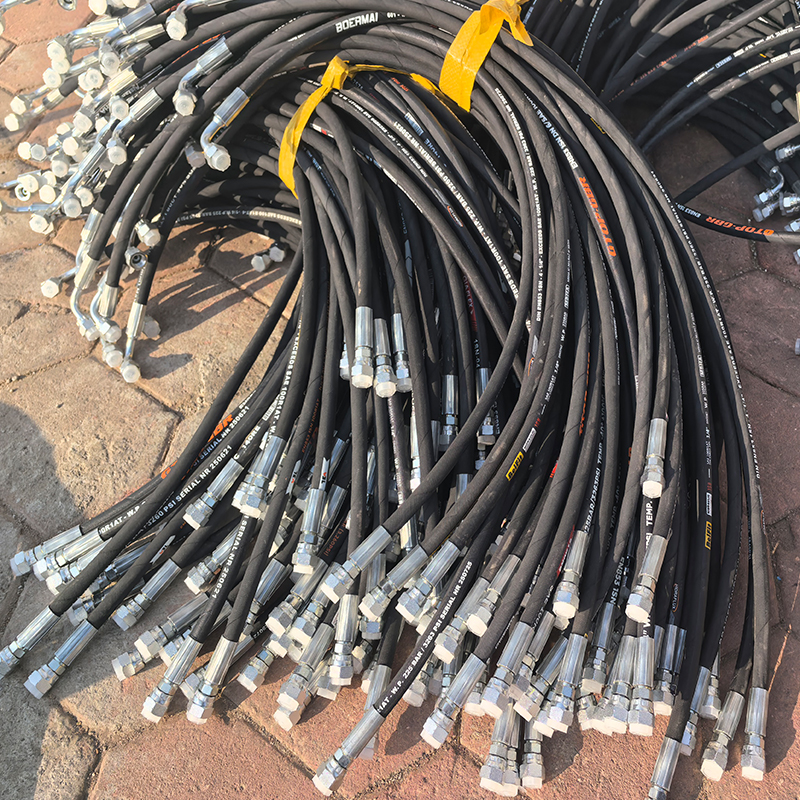 How to Create a Proactive Spiral Hydraulic Hose Replacement Plan That Prevents Downtime?
 Is Your Hydraulic System Overstressing? 5 Diagnostic Signs You Need to Upgrade to Spiral Hose
 Is Your Hydraulic System Pushing Limits? When to Specify Spiral Hose vs. Braided?
 Is Your Machinery Demanding More? Why Upgrade to a Spiral Hydraulic Hose?