
For many drivers, brake issues are a source of immediate concern. Whether it’s a squealing noise, a spongy pedal, or uneven stopping power, these symptoms often prompt urgent repairs. But what if the root cause isn’t the brake system itself? Could a seemingly unrelated component, like a hub oil seal, be the culprit? This article dives into the relationship between hub oil seals and brake performance, explaining how a small part can trigger significant problems—and why ignoring it might cost you more than just peace of mind.

What Is a Hub Oil Seal, and Why Does It Matter?
A hub oil seal is a small but critical component located where the wheel hub meets the axle or driveshaft. Its primary job is to prevent lubricants, such as gear oil or transmission fluid, from leaking out of the hub assembly while keeping dirt, water, and debris from entering. Over time, these seals can degrade due to heat, friction, or exposure to contaminants, leading to leaks.
While the hub seal’s role seems isolated from the brakes, the two systems are closer neighbors than they appear. In many vehicles, the brake rotor or drum is mounted directly to the hub assembly, meaning any oil or grease escaping from a faulty seal can quickly migrate to braking components. This proximity sets the stage for potential conflicts.
The Domino Effect: How a Leaking Seal Impacts Brakes
When a hub oil seal fails, lubricant can seep onto the brake rotor, pads, or drum. Here’s what happens next:
Contamination of Friction Surfaces: Brake pads and rotors rely on friction to slow the vehicle. Oil or grease creates a slippery layer, reducing this friction and leading to diminished stopping power.
Uneven Wear: Contaminants can cause uneven deposits on rotors or drums, resulting in vibrations or pulsations when braking.
Overheating: Reduced friction forces the brakes to work harder, generating excess heat that accelerates wear on pads, rotors, and other components.
Corrosion Risk: Oil mixed with road salt or moisture can damage metal parts, leading to long-term deterioration.
These issues often mimic symptoms of worn brake pads or warped rotors, leading drivers to replace those parts without addressing the underlying seal problem.
Recognizing the Warning Signs
How can you tell if a hub oil seal is affecting your brakes? Look for these clues:
Oil Stains Near the Wheel: Check for greasy residue on the inside of the wheel rim or along the hub assembly.
Unusual Brake Noises: Squealing or grinding noises might indicate contaminated pads or rotors.
Soft or Spongy Pedal: A pedal that feels less responsive could signal oil interference with hydraulic components.
Visible Leaks: Puddles of fluid under the vehicle, especially near the wheels, warrant immediate inspection.
It’s worth noting that not all brake problems stem from seal leaks. However, if these symptoms coincide with signs of fluid loss elsewhere in the drivetrain, the hub seal is a likely suspect.
The Cost of Ignoring the Problem
Some drivers might dismiss a small leak as a minor annoyance, but the consequences of inaction can be severe:
Compromised Safety: Reduced braking efficiency increases stopping distances, raising the risk of accidents.
Expensive Repairs: Contaminated brake components often require replacement, not just cleaning. If the hub assembly itself is damaged, costs escalate further.
Secondary Damage: Oil leaks can spread to other parts, such as wheel bearings or ABS sensors, leading to additional failures.
Proactive maintenance is key. Regular inspections of the hub assembly and surrounding components can catch leaks early, saving both money and headaches.
Diagnosis and Repair: What to Expect
If a hub oil seal is suspected, a mechanic will typically:
Inspect the Hub Assembly: Using a lift or jack stands, they’ll check for leaks, corrosion, or damage to the seal and surrounding parts.
Evaluate Brake Components: Rotors, pads, and drums will be examined for contamination or uneven wear.
Replace the Seal: If faulty, the seal must be replaced. This often involves removing the hub assembly, which may require special tools or expertise.
Clean and Reassemble: After replacing the seal, contaminated brake parts are cleaned or replaced to restore proper function.
While this process isn’t overly complex, it’s best left to professionals, as improper installation can lead to recurring leaks or further damage.
Prevention: Extending the Life of Your Hub Seals
While no component lasts forever, these tips can help prolong the life of your hub oil seals:
Avoid Harsh Driving Conditions: Frequent exposure to mud, water, or road salt accelerates wear.
Stick to Maintenance Schedules: Regular lubrication of nearby components (like wheel bearings) reduces heat and friction.
Address Leaks Promptly: Even minor drips can escalate into major problems if ignored.
Use Quality Parts: When replacements are needed, opt for seals designed for your vehicle’s specifications.
Final Thoughts: Don’t Overlook the Small Stuff
The hub oil seal might seem insignificant compared to larger brake components, but its failure can trigger a chain reaction of problems. For drivers experiencing unexplained brake issues, a thorough inspection of the hub assembly is a wise step. By understanding the connection between these systems, you can avoid unnecessary repairs, ensure safer driving, and keep your vehicle running smoothly for miles to come.
 Looking for Dock Bumpers that Last? How Do Steel-Cornered Pads Cut Your Repair Costs?
 Need Maximum Durability? Why Choose a Rubber Laminated Bumper with Reinforced Steel Corners?
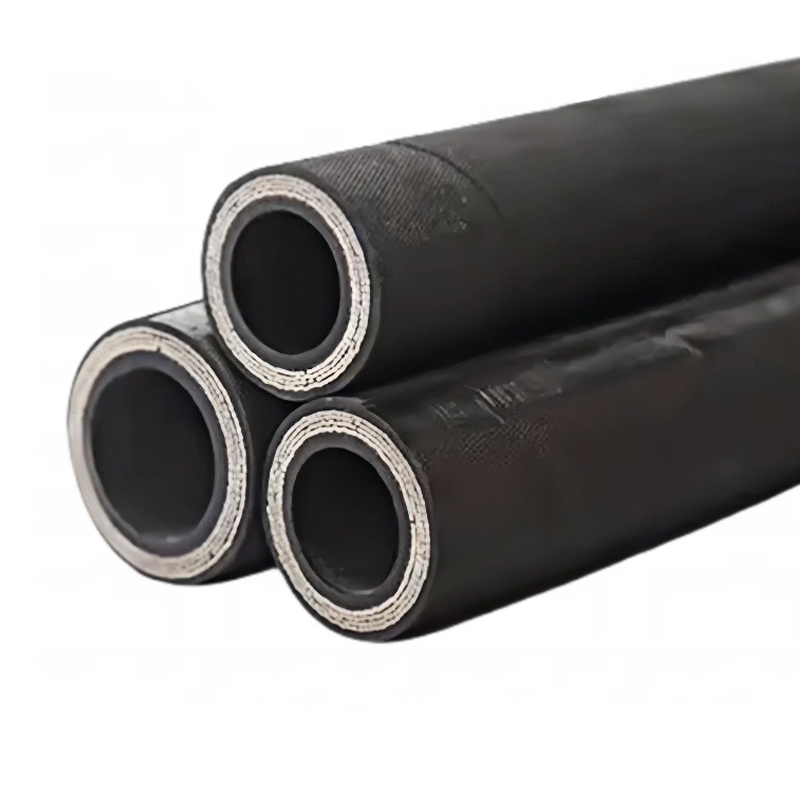 What's the True ROI of Upgrading to Spiral Hydraulic Hose? A Cost-Benefit Analysis
 Spiral Hydraulic Hose Case Studies: Real-World Reliability in Mining, Steel & Offshore