

The mill upgraded to a specialized SAE 100R13 spiral hose with a high-temperature synthetic rubber inner tube and an MSHA-accepted, abrasion-resistant outer cover. The R13 specification, with its additional wire layers, provided a higher safety margin against the violent pressure surges of the shear mechanism.
The Result: Service Life Extended from 1 Week to 12 Months
The new spiral hose assembly survived the harsh mill environment for a full 12-month maintenance cycle. The improved heat resistance prevented tube cracking, and the robust cover withstood flying scale and impact. This single change eliminated 50+ hours of annual emergency maintenance per machine, allowing the mill to schedule hose replacements during planned outages.
Case Study 3: Offshore Drilling Rig – Surviving Saltwater and Ultra-High Pressure
The Challenge: Corrosion and Pressure Surges on a Deepwater Platform
An offshore drilling contractor faced recurring failures with the hydraulic lines controlling the blowout preventer (BOP) and mooring systems. The saltwater environment caused rapid corrosion of hose fittings and covers, while the ultra-high working pressures (above 6,000 PSI) were causing braided hoses to "birdcage" and fail.
The Solution: EN856 4SH / SAE 100R15 Six-Spiral with Corrosion-Resistant Fittings
The rig switched to a six-layer spiral hose (EN856 4SH / SAE 100R15) paired with stainless steel fittings and a specialized ozone- and saltwater-resistant cover. The six-spiral construction was essential for handling the sustained ultra-high pressures of the subsea control systems, providing a burst pressure safety factor of 4:1.
The Result: Zero Failures and Full Compliance with API Standards
The upgraded hoses passed all API and DNV compliance tests for offshore service. Over an 18-month deployment, there were no pressure-related failures or leaks. The corrosion-resistant package proved vital, as the hoses maintained integrity despite constant exposure to salt spray and harsh UV radiation, ensuring critical safety systems remained operational.
Case Study 4: Injection Molding Clamp – Solving High-Cycle Fatigue
The Challenge: Premature Failure on a 24/7 Production Line
A high-volume injection molding plant was replacing hoses on its 2,000-ton clamping presses every six months. The failure mode was consistent: impulse fatigue at the bend points due to the machine's rapid, high-pressure cycling (over 1 million cycles annually). The downtime was disrupting just-in-time manufacturing schedules.
The Solution: Optimized Routing with SAE 100R12
Instead of simply replacing like-for-like, engineers respecified SAE 100R12 spiral hoses and redesigned the routing to ensure bend radii were within the hose's specification. The spiral hose's superior impulse fatigue rating (200,000+ cycles at 133% of working pressure) was a perfect match for the application.
The Result: 3-Year Service Life and Reduced Energy Consumption
The spiral hoses not only lasted three times longer but also demonstrated improved system efficiency. Their lower volumetric expansion under pressure (due to the spiral wire construction) resulted in less energy loss as heat, contributing to a slight but measurable reduction in the machine's overall energy consumption during operation.
Technical Deep Dive: Why Spiral Hose Wins in These Cases
The case studies above highlight three critical technical advantages of spiral hoses over braided alternatives:
1.Impulse Fatigue Resistance: Spiral wire winding can handle millions of pressure cycles without wire fatigue, which is critical for excavators and molding machines.
2.Burst Pressure Safety: With burst pressures typically 4 times the working pressure, spiral hoses provide a crucial safety margin in high-pressure applications like mining and offshore.
3.Environmental Durability: Specialized covers (MSHA, oil-resistant, ozone-resistant) protect the high-tensile steel wire from abrasion, chemicals, and weathering, extending service life in harsh environments.
Conclusion: The Strategic Upgrade Path
These case studies prove that upgrading to spiral hydraulic hose is not merely a parts replacement but a strategic reliability decision. Whether you are battling downtime in a quarry, heat in a steel mill, or corrosion offshore, the spiral hose's multi-layer wire construction provides the robust solution needed to maximize uptime and safety. For any hydraulic system operating above 3,000 PSI or in a high-shock environment, the data is clear: spiral hose is the definitive choice for performance and longevity.
 How Much Load Can a Bridge Bearing Pad Actually Carry? Engineering Data for Safe Girder Support
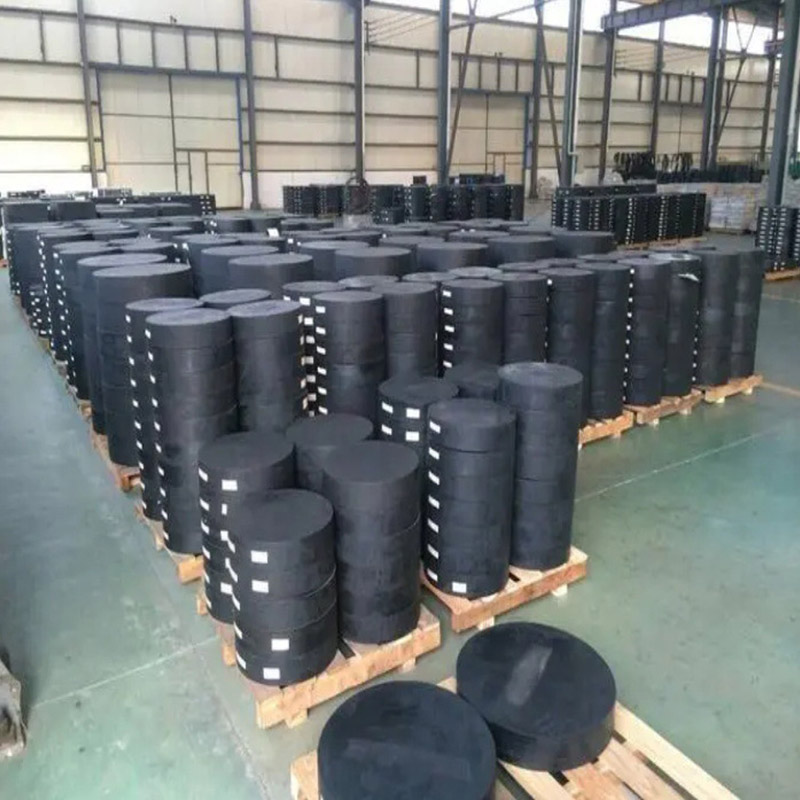 Is Your Bridge Bearing Pad Specified for the Wrong Rubber Grade? Why Elastomeric Bridge Bearing Pad Selection Decides 50-Year Deck Life
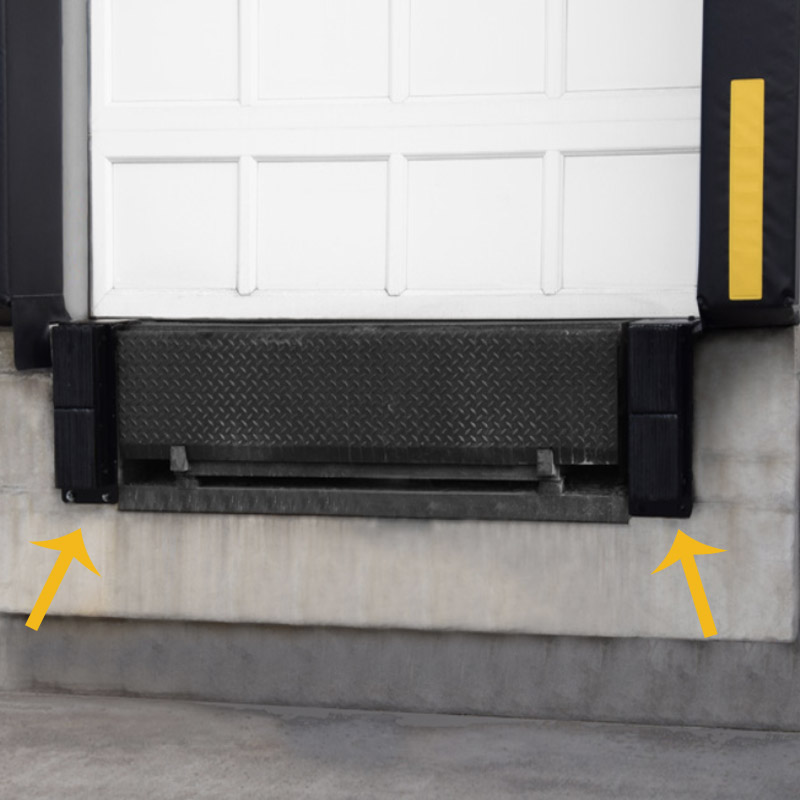 Can a Loading Dock Bumper Survive -30°C Winters and +50°C Summers? Here Is the Extreme-Weather Data
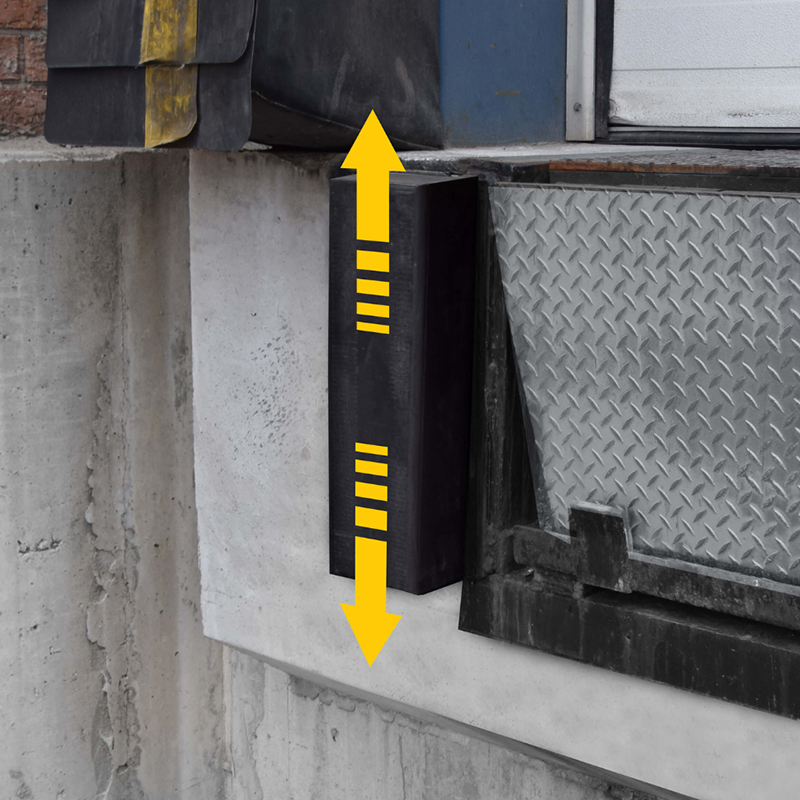 Are Your Dock Bumpers Specified for the Wrong Impact Profile? Why a Loading Dock Bumper with a Steel Face Outperforms in Real Traffic