Learn how to calculate the real ROI of upgrading to spiral hydraulic hose. Our guide breaks down downtime costs, failure risks, and efficiency gains to show why premium
spiral hydraulic hoses save money.
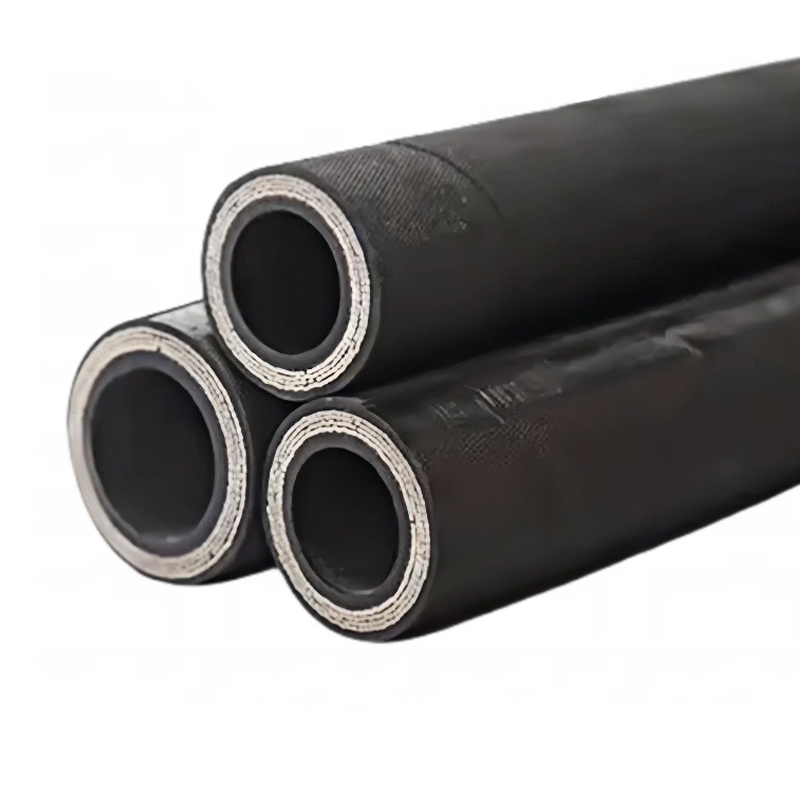
Beyond the Price Tag: The Comprehensive Cost-Benefit Analysis of Spiral Hydraulic Hose
In heavy equipment management, the initial cost of a component often drives purchasing decisions. For hydraulic hoses, this can be a costly mistake. While a standard braided hose (SAE 100R2) may seem economical, the true cost of chronic failures in high-pressure applications is staggering. Upgrading to a
spiral hydraulic hose (SAE 100R12/R13) represents a strategic capital decision. This guide provides a framework to evaluate the comprehensive Return on Investment (ROI), moving beyond simple part cost to analyze Total Cost of Ownership (TCO), productivity, and risk mitigation.
The High Cost of the "Cheaper" Hose: Understanding Failure Economics
The core argument for spiral hose is not its superior pressure rating—it's economics. A failure in a critical hydraulic system creates a cascade of costs:
1.Direct Costs: The price of the replacement hose assembly and fittings.
2.Labor Costs: Wages for maintenance technicians for diagnosis, disassembly, and reassembly.
3.Downtime Costs: The lost revenue and productivity while the machine is idle. In industries like mining or offshore drilling, this can exceed $10,000 per hour.
4.Consequential Damage Costs: Hydraulic fluid loss, contamination of the entire system, and damage to adjacent components from high-pressure fluid injection.
5.Safety & Environmental Costs: Fines, cleanup, and potential liability from injuries or environmental spills.
When a $300 braided hose fails and causes $25,000 in downtime, its true cost becomes apparent.
The Spiral Hose Value Proposition: A Multi-Factor ROI Calculation
Evaluating the upgrade requires analyzing both hard and soft benefits over the hose's lifecycle.
1. The Downtime Elimination Multiplier (The Biggest ROI Driver)
Analysis: Compare the Mean Time Between Failures (MTBF).
Scenario: A braided hose on an excavator's boom cylinder fails every 6 months, causing 8 hours of downtime per event.
Spiral Upgrade: A spiral hose lasts 3 years before planned replacement.
Cost-Benefit: Over 3 years, the braided hose fails 6 times (48 hours of downtime). The spiral hose fails 0 times (0 hours of unplanned downtime). If downtime costs $2,000/hour, the savings are $96,000 in avoided downtime alone, not counting labor and part costs for the 6 failures.
2. Efficiency Gains and Energy Savings
Spiral hoses have lower volumetric expansion (higher pressure containment) than braided hoses.
Technical Benefit: Less energy is wasted compressing and expanding the hose wall. More hydraulic power is delivered directly to the cylinder or motor.
Cost-Benefit: While difficult to measure on a single machine, across a fleet, this can lead to marginally lower fuel consumption in mobile equipment or reduced energy draw in stationary systems. Over thousands of operating hours, this compounds into tangible savings.
3. Inventory and Maintenance Optimization
Analysis: Standardizing on a more reliable component simplifies inventory.
Cost-Benefit: Instead of stocking multiple emergency braided hoses for various machines, you can stock fewer, standardized spiral hoses. This reduces capital tied up in spare parts inventory. Furthermore, maintenance can be planned and scheduled during regular outages, improving labor efficiency vs. emergency call-outs.
4. Risk Mitigation and Liability Reduction (The "Insurance" Value)
This is a qualitative benefit with quantitative value.
Analysis: A catastrophic hose failure can cause a fire (if fluid sprays on a hot engine), a loss of machine control, or a high-pressure fluid injection injury.
Cost-Benefit: The spiral hose's 4:1 burst pressure safety margin (vs. 4:1 for braided, but with a much higher absolute pressure threshold) significantly reduces this probability. The value is the avoidance of potential six-figure liability claims, OSHA fines, or environmental penalties.
Key Performance Indicators (KPIs) to Track Post-Upgrade
To validate the investment, monitor these metrics after upgrading a pilot machine:
MTBF (Mean Time Between Failures): Should increase dramatically.
Maintenance Cost per Operating Hour: Should decrease as emergency repairs drop.
Machine Availability/Uptime Percentage: Should show a measurable improvement.
Hydraulic Fluid Consumption: May decrease due to fewer leaks and failures.
When Does the Upgrade Make the Most Financial Sense?
Prioritize upgrades for:
Critical Path Equipment: Machines whose failure stops an entire production line or job site.
High-Downtime-Cost Applications: Offshore rigs, remote mining sites, and 24/7 manufacturing.
Chronic Failure Points: Circuits with a documented history of repeated hose failures.
Safety-Critical Systems: Brake circuits, steering, or load-holding applications.
Conclusion: An Investment in Predictable Operations
The decision to upgrade to
spiral hydraulic hose should be framed as a capital investment in reliability, not a maintenance expense. The higher initial cost is quickly offset by the dramatic reduction in the much larger hidden costs of downtime, emergency labor, and systemic risk. By conducting a thorough TCO analysis using your own operational data, you can build an undeniable financial case for specifying spiral hoses where they matter most—turning a cost center into a profit-protecting asset. The question shifts from "Can we afford these hoses?" to "Can we afford not to have them?"

 How Much Load Can a Bridge Bearing Pad Actually Carry? Engineering Data for Safe Girder Support
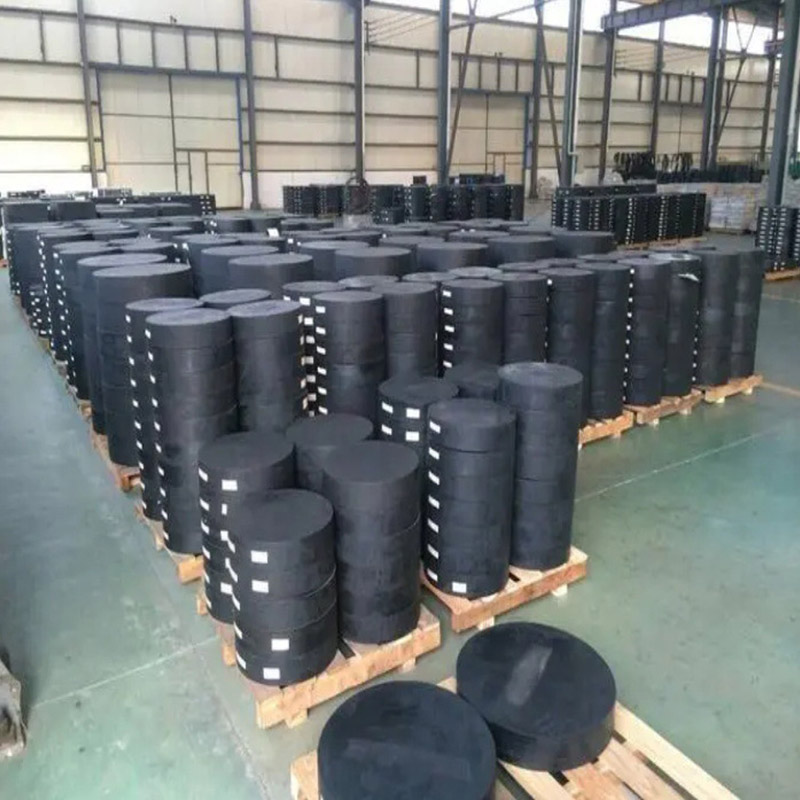 Is Your Bridge Bearing Pad Specified for the Wrong Rubber Grade? Why Elastomeric Bridge Bearing Pad Selection Decides 50-Year Deck Life
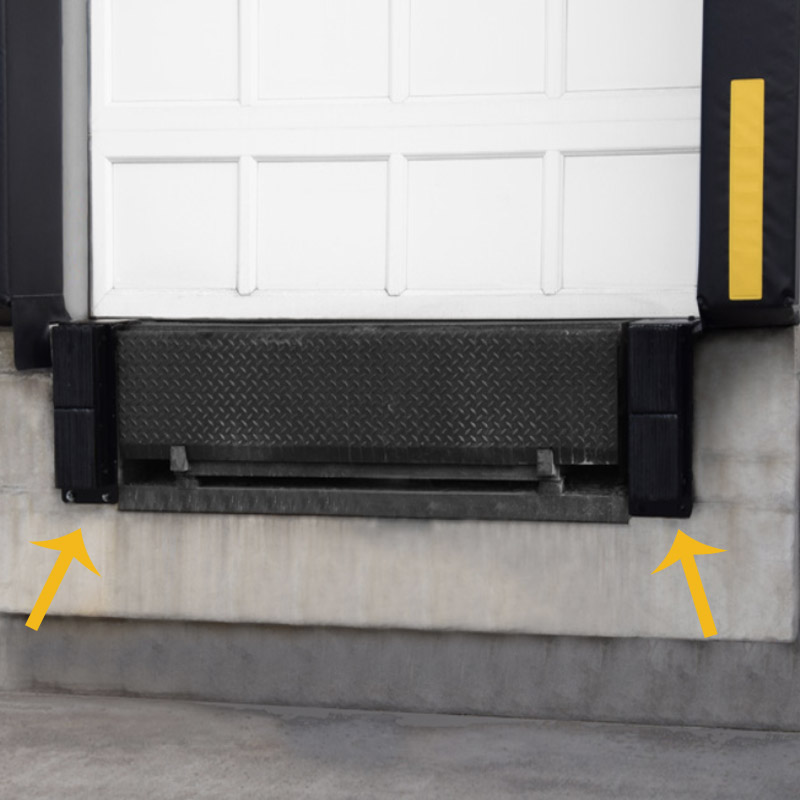 Can a Loading Dock Bumper Survive -30°C Winters and +50°C Summers? Here Is the Extreme-Weather Data
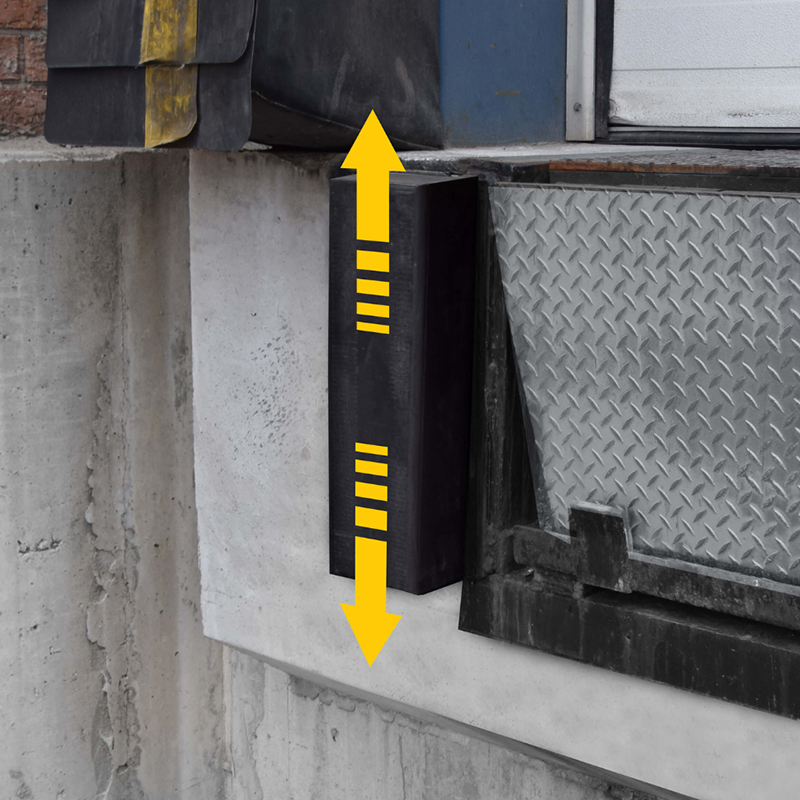 Are Your Dock Bumpers Specified for the Wrong Impact Profile? Why a Loading Dock Bumper with a Steel Face Outperforms in Real Traffic