
For many drivers, steering problems are often attributed to obvious culprits like low power steering fluid, worn tires, or alignment issues. However, some issues stem from less-discussed components, such as the hub oil seal. This small but critical part plays a vital role in maintaining vehicle performance, and its failure can lead to unexpected steering complications. Let’s explore how a compromised hub oil seal might affect steering and what signs to watch for.

What Is a Hub Oil Seal?
The hub oil seal is a rubber or silicone component designed to prevent lubricants from leaking out of wheel hubs or axle assemblies. It acts as a barrier between moving parts and the external environment, ensuring that grease or oil stays inside to lubricate bearings and gears. Located where the axle connects to the wheel hub, this seal also keeps dirt, water, and debris from entering and damaging sensitive components.
While it’s a small part, its failure can disrupt the entire system. Over time, exposure to heat, friction, and contaminants can cause the seal to crack, harden, or lose elasticity. When this happens, lubricant escapes, and contaminants infiltrate, setting the stage for bigger problems.
How Does a Failing Seal Impact Steering?
At first glance, a leaking hub oil seal might seem unrelated to steering. After all, steering systems rely on components like the steering rack, tie rods, and power steering pump. However, the hub assembly is integral to wheel movement, and any disruption here can create ripple effects.
When a seal fails, lubricant loss leads to increased friction in the wheel bearings. This friction generates heat, causing the bearings to wear down faster. As bearings deteriorate, they create play or looseness in the wheel assembly. This play translates to vague or unresponsive steering, as the wheels no longer move smoothly in sync with the steering inputs. In severe cases, a damaged bearing can seize entirely, leading to a sudden loss of steering control.
Symptoms of a Compromised Hub Oil Seal
Identifying a failing hub oil seal early can prevent steering issues from escalating. Drivers should watch for these warning signs:
Grease Stains Near the Wheels: A visible leak around the hub or brake rotor often indicates a broken seal. The grease may appear as dark streaks or puddles beneath the vehicle.
Unusual Noises: Grinding, humming, or whirring sounds from the wheel area can signal dry or damaged bearings due to lubricant loss.
Vibrations or Wobbling: As bearings wear out, they may cause the steering wheel to shake or the vehicle to pull to one side.
ABS Warning Light: In modern vehicles, a leaking seal can allow moisture to enter the wheel speed sensor, triggering false alerts or disabling anti-lock braking systems.
Ignoring these symptoms can lead to costly repairs and safety risks.
The Ripple Effect on Other Components
A failing hub oil seal doesn’t just affect steering—it can damage adjacent parts. For instance, leaked grease can contaminate brake pads and rotors, reducing braking efficiency. Moisture ingress may also corrode metal surfaces, weakening the hub assembly or axle. Over time, this degradation forces other components to work harder, accelerating wear and tear.
Additionally, a compromised seal can disrupt the balance of the entire suspension system. As the wheel assembly becomes unstable, it places extra stress on tie rods, ball joints, and control arms, leading to premature failure. This domino effect underscores the importance of addressing seal issues promptly.
When to Seek Professional Help
While some drivers attempt DIY fixes for minor leaks, hub oil seals require precision to install correctly. Improper installation can lead to recurrent leaks or further damage. If you notice any symptoms mentioned earlier, it’s advisable to consult a certified mechanic. They can inspect the hub assembly, bearings, and surrounding components using specialized tools.
A professional diagnosis might involve lifting the vehicle, rotating the wheels, and checking for play or noise. In some cases, the mechanic may recommend replacing both seals (even if only one is leaking) to ensure balanced performance. Regular maintenance, such as inspecting seals during tire rotations or brake services, can also help catch problems early.
Preventative Measures to Extend Seal Life
Proactive care can significantly reduce the risk of hub oil seal failure. Here are some practical steps:
Avoid Harsh Chemicals: When cleaning wheels, steer clear of abrasive cleaners that can degrade rubber seals. Opt for pH-neutral products instead.
Drive Carefully on Rough Roads: Potholes and debris can jolt the hub assembly, stressing the seals. Minimize exposure to such conditions when possible.
Replace Components in Pairs: If one seal is worn, its counterpart is likely nearing failure too. Replacing both ensures even wear and reduces future leaks.
Follow Manufacturer Guidelines: Adhere to recommended service intervals for greasing bearings and inspecting seals.
Conclusion: Small Parts, Big Consequences
The hub oil seal might seem insignificant, but its role in maintaining steering precision and vehicle safety is undeniable. By understanding how it interacts with the wheel assembly and recognizing early warning signs, drivers can avoid costly repairs and dangerous situations. Regular inspections, timely replacements, and mindful driving habits are key to keeping this tiny component—and the entire steering system—functioning smoothly.
Next time you notice unusual noises or vibrations, don’t overlook the hub oil seal. Addressing it promptly could save you from bigger headaches down the road.
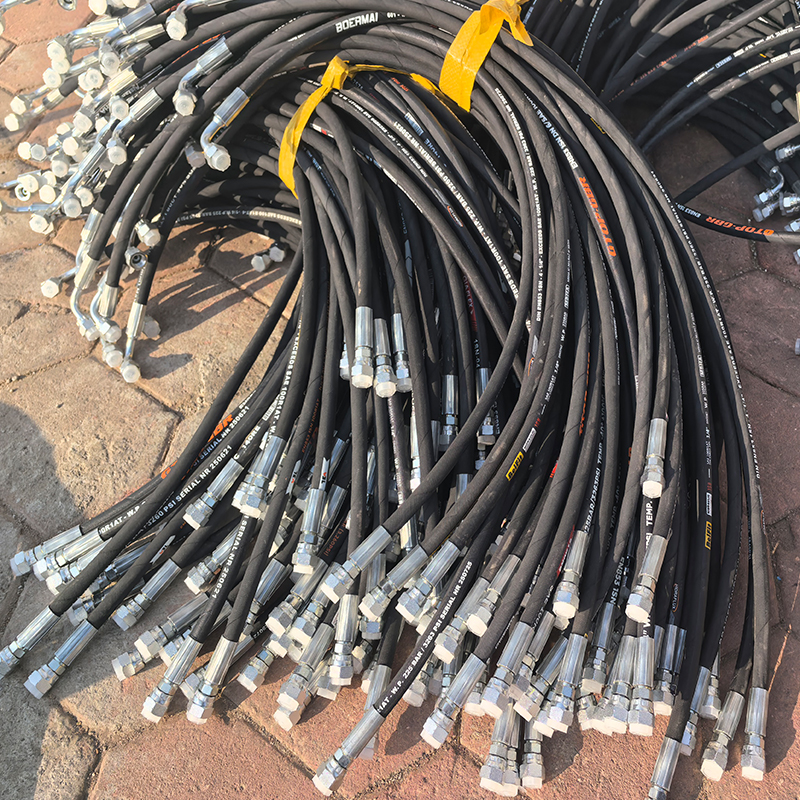 How to Create a Proactive Spiral Hydraulic Hose Replacement Plan That Prevents Downtime?
 Is Your Hydraulic System Overstressing? 5 Diagnostic Signs You Need to Upgrade to Spiral Hose
 Is Your Hydraulic System Pushing Limits? When to Specify Spiral Hose vs. Braided?
 Is Your Machinery Demanding More? Why Upgrade to a Spiral Hydraulic Hose?