
For many Americans who enjoy off-roading, tackling snowy terrains, or simply navigating rugged landscapes, four-wheel-drive (4WD) systems are indispensable. These systems empower vehicles to distribute power evenly across all four wheels, ensuring better traction and control. However, few drivers pause to consider the unsung heroes that keep these systems functioning smoothly: hub oil seals. These small yet critical components play a vital role in maintaining the integrity and performance of 4WD vehicles. Let’s explore their importance, how they work, and why neglecting them can lead to costly repairs.
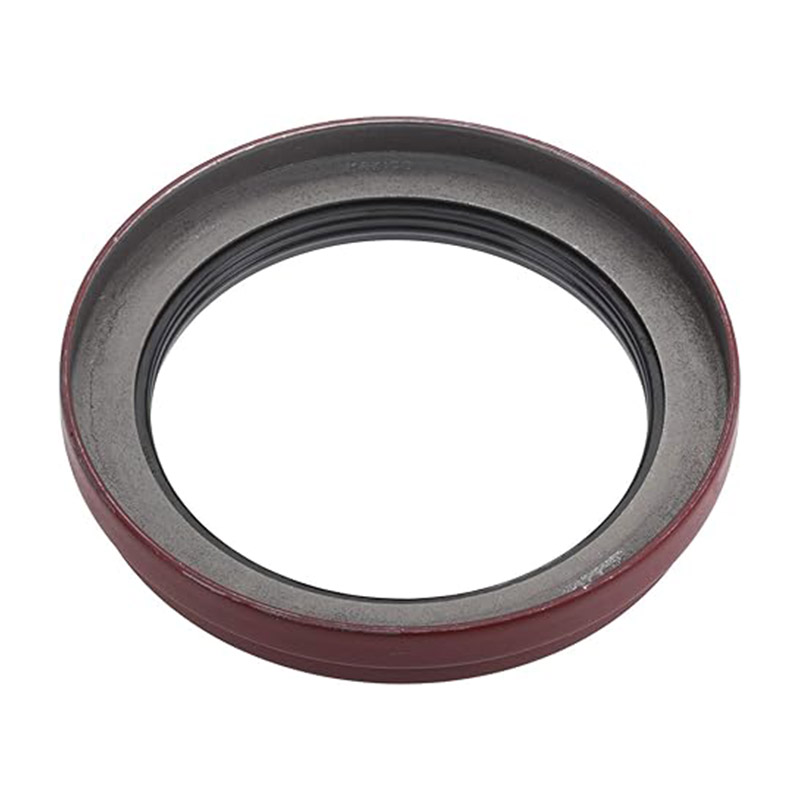
Preventing Contaminants from Wreaking Havoc
Hub oil seals act as gatekeepers, shielding the inner workings of a vehicle’s wheel hubs from dirt, water, and debris. In a 4WD system, the hubs are constantly exposed to harsh conditions—mud puddles, rocky trails, or salty winter roads. Without proper sealing, these contaminants could infiltrate sensitive components like bearings and gears, causing accelerated wear or even catastrophic failure.
Imagine driving through a muddy trail. As the wheels spin, mud and gravel are flung with force toward the hub assembly. A high-quality oil seal creates a tight barrier, ensuring these particles bounce off harmlessly. Similarly, during rainstorms or when crossing shallow streams, the seal prevents water from seeping into areas where it could corrode metal parts or dilute lubricants. This protection is especially crucial for off-road enthusiasts who frequently test their vehicles’ limits.
Maintaining Proper Lubrication for Longevity
Lubrication is the lifeblood of any mechanical system, and 4WD hubs are no exception. The gears and bearings inside these hubs rely on a steady supply of grease or oil to reduce friction and heat. Hub oil seals ensure this lubricant stays where it’s needed most—inside the hub assembly.
Over time, seals can degrade due to age, extreme temperatures, or exposure to chemicals like road salt. A compromised seal allows lubricant to leak out, leaving components dry and vulnerable. Drivers might notice grease stains on their rims or hear grinding noises from the wheel area—both signs of seal failure. Left unaddressed, this can lead to overheating, premature wear, and eventual breakdown of the hub assembly. Regular inspection and replacement of worn seals are simple steps to avoid these issues.
Withstanding High Pressure and Heat
4WD systems generate significant heat and pressure, particularly during intense driving conditions. Whether climbing steep inclines or towing heavy loads, the hubs endure tremendous stress. Hub oil seals must be engineered to withstand these demands without cracking or losing their shape.
Modern seals are often made from advanced materials like nitrile rubber or silicone, which offer excellent heat resistance and flexibility. Some designs incorporate metal springs or gaskets to enhance their sealing capabilities under pressure. For drivers who frequently push their vehicles to the limit, investing in high-performance seals can provide peace of mind and prevent unexpected failures in remote locations.
Ensuring Smooth Operation Across All Terrains
A well-functioning 4WD system should transition seamlessly between two-wheel and four-wheel drive modes. Hub oil seals contribute to this smoothness by maintaining consistent pressure within the hub assembly. If a seal fails, air or contaminants could enter the system, disrupting the balance of forces between the wheels.
This imbalance can manifest as vibrations, uneven tire wear, or difficulty engaging 4WD mode. In extreme cases, it might even cause the differential or transfer case to malfunction. By preserving the integrity of the hub environment, seals help ensure that power is distributed efficiently, allowing drivers to tackle diverse terrains without hesitation.
The Cost of Ignoring Seal Maintenance
While hub oil seals are relatively inexpensive components, their failure can trigger a domino effect of costly repairs. A leaking seal might seem like a minor inconvenience, but it can quickly escalate into a major headache. For instance, contaminated lubricant can damage bearings, forcing replacements that cost hundreds of dollars. In severe cases, a failed seal could lead to hub assembly failure, requiring extensive labor to disassemble and rebuild the affected parts.
Regular maintenance is key to avoiding these scenarios. Drivers should inspect their seals during routine tire rotations or oil changes, looking for cracks, leaks, or signs of wear. Replacing seals at the first sign of trouble is far cheaper than dealing with the aftermath of a full-blown failure.
Adapting to Modern 4WD Innovations
As automotive technology evolves, so do hub oil seals. Today’s 4WD systems incorporate electronic sensors and adaptive algorithms to optimize performance. These advancements demand seals that can integrate seamlessly with sophisticated components while maintaining their protective role.
For example, some modern seals feature built-in wear indicators or compatibility with synthetic lubricants. Others are designed to minimize friction, improving fuel efficiency without sacrificing durability. As manufacturers continue to innovate, drivers can expect seals that offer even greater reliability and longevity.
Conclusion: A Small Part with a Big Impact
Hub oil seals might not grab headlines like turbochargers or all-terrain tires, but they are indispensable to the smooth operation of 4WD systems. By keeping contaminants out, preserving lubrication, and withstanding extreme conditions, these components ensure that drivers can rely on their vehicles when it matters most.
Whether you’re a weekend warrior exploring backcountry trails or a commuter navigating icy roads, don’t overlook the humble hub oil seal. Regular maintenance and timely replacements can save you from headaches down the road—and keep your 4WD adventures running smoothly for years to come.
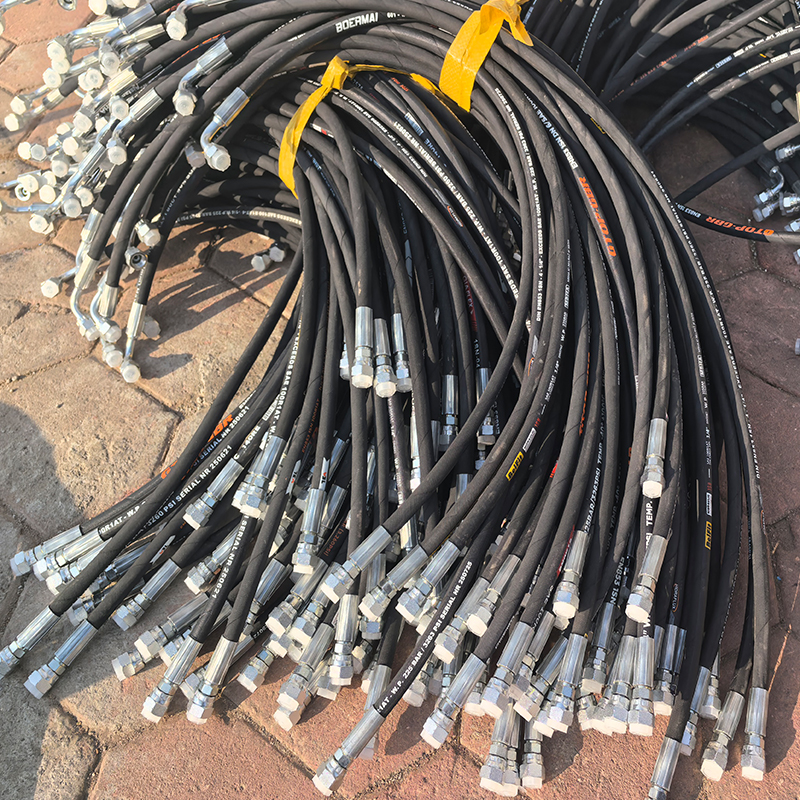 How to Create a Proactive Spiral Hydraulic Hose Replacement Plan That Prevents Downtime?
 Is Your Hydraulic System Overstressing? 5 Diagnostic Signs You Need to Upgrade to Spiral Hose
 Is Your Hydraulic System Pushing Limits? When to Specify Spiral Hose vs. Braided?
 Is Your Machinery Demanding More? Why Upgrade to a Spiral Hydraulic Hose?