
When it comes to plumbing, HVAC systems, or industrial piping, ensuring seamless connections between pipes is essential for safety and efficiency. Two common solutions for bridging gaps and accommodating movement are flexible pipe couplings and expansion pipe couplings. While both serve critical roles, they operate differently and address distinct challenges. This article breaks down their functions, applications, and key differences to help homeowners, contractors, and engineers make informed decisions.
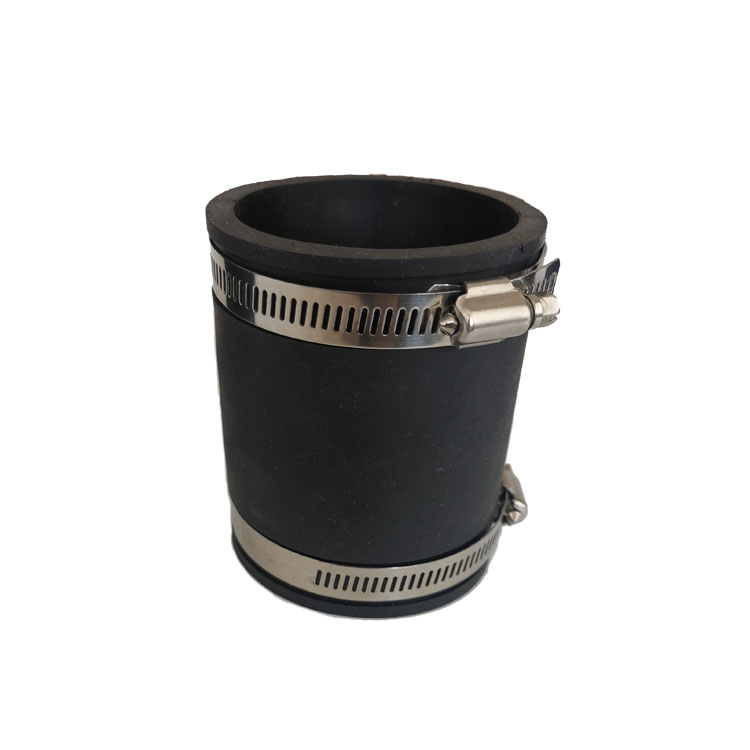
Understanding the Basics: What Are Pipe Couplings?
Pipe couplings are connectors used to join two pipes end-to-end or to attach pipes to fixtures. They come in various designs, each tailored to specific needs, such as handling pressure, temperature fluctuations, or misalignment. Flexible and expansion couplings are specialized types designed to manage movement—whether from thermal changes, vibrations, or ground shifts. Choosing the wrong type can lead to leaks, reduced flow, or system failure, making it crucial to understand their unique purposes.
Flexible Pipe Couplings: Adapting to Misalignment and Vibration
Flexible couplings are engineered to accommodate slight misalignments between pipes or to absorb vibrations. Unlike rigid couplings, which require perfectly aligned pipes, flexible options use materials like rubber, silicone, or reinforced composites to create a forgiving connection.
How They work:
These couplings wrap around the ends of two pipes, creating a sealed joint that can bend slightly. This flexibility allows them to compensate for angular, parallel, or axial misalignment, which might occur due to installation errors, settling foundations, or dynamic loads (e.g., in machinery or HVAC systems).
Common applications:
Residential plumbing: Connecting pipes in walls or floors where slight shifts are common.
Industrial settings: Linking pipes in systems with vibrating equipment, such as pumps or compressors.
Renovation projects: Bridging gaps between old and new piping without precise alignment.
Key benefits:
Reduces stress on pipes and fixtures by absorbing movement.
Simplifies installation by eliminating the need for perfect alignment.
Minimizes noise from vibrating pipes.
Expansion Pipe Couplings: Managing Thermal Growth and Contraction
Expansion couplings are designed to handle thermal expansion—the tendency of pipes to expand when heated and contract when cooled. This is a critical concern in systems with long pipe runs, such as steam lines, hot water distribution, or industrial process piping.
How they work:
These couplings incorporate mechanisms like bellows, slip joints, or telescoping sections that allow controlled movement. For example, a bellow-style coupling uses accordion-like folds to compress or stretch as temperatures change, while a slip joint features a sliding sleeve that adjusts the pipe length.
Common applications:
Boiler systems: Connecting pipes to boilers that heat water to high temperatures.
Solar thermal installations: Managing expansion in pipes carrying heated fluids from solar panels.
Commercial kitchens: Linking hot water lines in large-scale dishwashing or cooking setups.
Key benefits:
Prevents structural damage caused by thermal stress.
Maintains system integrity by avoiding over-compression or stretching.
Extends the lifespan of pipes by reducing fatigue from repeated expansion cycles.
Material Matters: How Construction Impacts Performance
The durability and effectiveness of both coupling types depend heavily on their materials. Flexible couplings often rely on synthetic rubbers or elastomers, which offer elasticity and resistance to chemicals. Some high-performance models incorporate stainless steel or reinforced fibers for added strength.
Expansion couplings, meanwhile, prioritize materials that withstand temperature extremes. Stainless steel bellows are common in high-heat applications, while PVC or composite slip joints may suffice for moderate temperature ranges. The choice of material also affects cost, with metal options typically being pricier but longer-lasting.
Installation Considerations: When to Use Each Type
Installing the wrong coupling can lead to premature failure. Flexible couplings are ideal when pipes are slightly out of alignment or when vibrations are a concern. However, they have limits—excessive misalignment or pressure can cause leaks or detachment.
Expansion couplings require precise calculation of thermal expansion rates. Engineers must determine the expected temperature range and pipe material to select a coupling with the correct expansion capacity. Overlooking these factors can result in catastrophic failures, such as burst pipes or joint separations.
Cost and Maintenance: Balancing Upfront Expenses with Long-Term Savings
Flexible couplings are generally more affordable and easier to install, making them a popular choice for residential projects. Their maintenance is minimal, typically involving periodic inspections for wear or leaks.
Expansion couplings, while costlier, offer long-term savings in systems prone to thermal stress. Regular maintenance includes checking for corrosion, ensuring sliding mechanisms move freely, and replacing worn gaskets or seals.
Making the Right Choice: Factors to Evaluate
Selecting between flexible and expansion couplings depends on several factors:
Movement type: Is the issue misalignment, vibration, or thermal expansion?
System pressure: High-pressure systems may require reinforced couplings.
Temperature range: Extreme heat or cold necessitates specialized materials.
Budget: Balance upfront costs with potential repair expenses down the line.
Consulting with a plumbing or mechanical engineer can help avoid costly mistakes, especially in complex industrial or commercial setups.
Conclusion: The Importance of Choosing Wisely
Flexible and expansion pipe couplings are both vital components in modern piping systems, but they address different challenges. Flexible couplings excel in accommodating misalignment and vibration, while expansion couplings manage thermal changes to prevent damage. By understanding their functions, materials, and installation requirements, professionals and DIY enthusiasts alike can ensure reliable, long-lasting pipe connections. Whether upgrading a home plumbing system or designing a large-scale industrial network, the right coupling choice is a small detail with big consequences.
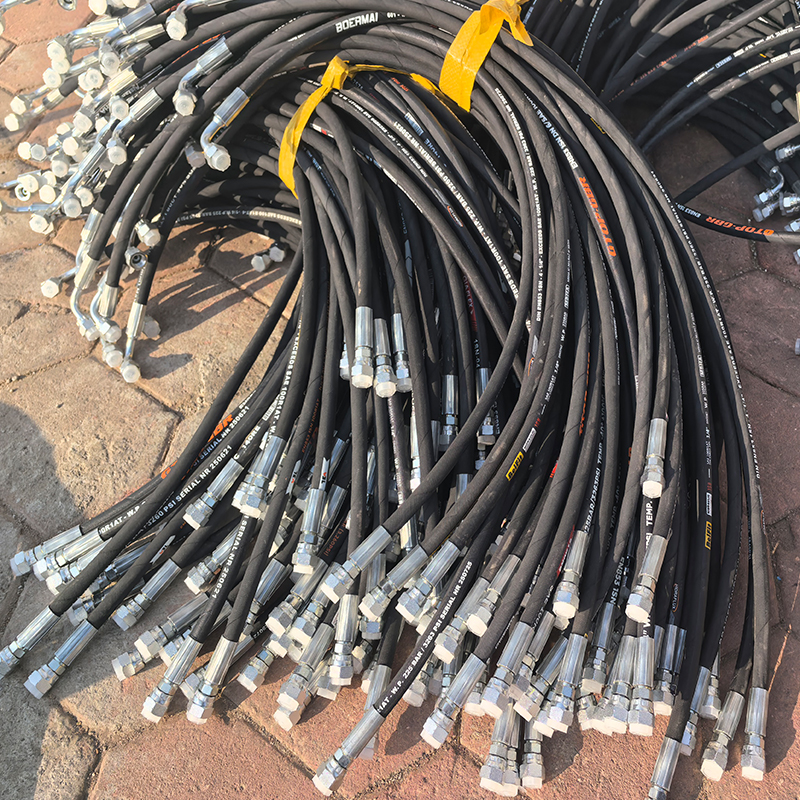 How to Create a Proactive Spiral Hydraulic Hose Replacement Plan That Prevents Downtime?
 Is Your Hydraulic System Overstressing? 5 Diagnostic Signs You Need to Upgrade to Spiral Hose
 Is Your Hydraulic System Pushing Limits? When to Specify Spiral Hose vs. Braided?
 Is Your Machinery Demanding More? Why Upgrade to a Spiral Hydraulic Hose?