
Flexible pipe couplings are unsung heroes in plumbing and piping systems, quietly ensuring seamless connections between pipes while accommodating movement, vibrations, and misalignments. But a common question arises: How much weight can these couplings actually bear? While their primary role isn’t to support heavy loads, understanding their weight capacity is crucial for safe installation and long-term system reliability. Let’s explore the factors influencing this capacity, common use cases, and best practices for selecting the right coupling.

The Role of Flexible Pipe Couplings in Piping Systems
Flexible couplings are designed to join two pipes while allowing slight movement due to thermal expansion, ground settling, or vibrations. Unlike rigid couplings, which create a fixed connection, flexible options use materials like rubber, stainless steel, or reinforced composites to absorb stress. This flexibility reduces the risk of cracks or leaks caused by rigid connections.
Their applications span residential plumbing, industrial pipelines, and even HVAC systems. For example, in a multi-story building, couplings help pipes adjust to structural shifts without compromising water flow. However, their ability to handle weight depends on their design, material, and installation context.
Key Factors Affecting Weight Capacity
The weight a flexible coupling can support isn’t a one-size-fits-all answer. Several variables come into play:
Material Composition
Couplings made from reinforced rubber or stainless steel typically withstand higher loads than those using basic elastomers. For instance, a coupling with stainless steel clamps distributes weight more evenly than one with plastic components.
Pipe Size and Diameter
Larger pipes exert more force on couplings, especially when filled with water or other substances. A coupling designed for a 2-inch pipe may have a lower weight tolerance than one rated for a 6-inch pipe.
Installation Orientation
Horizontal installations (e.g., underground pipelines) distribute weight differently than vertical setups (e.g., risers in tall buildings). Vertical couplings may need additional support to prevent sagging under gravity.
Environmental Conditions
Extreme temperatures, corrosive chemicals, or UV exposure can degrade materials over time, reducing weight capacity. A coupling in a humid basement might fail sooner than one in a climate-controlled environment.
Common Misconceptions About Weight Capacity
Many assume flexible couplings are engineered to support the weight of pipes filled with fluid. In reality, their primary function is to maintain a leak-proof seal while allowing movement. The weight of the pipe itself and its contents should ideally be supported by hangers, brackets, or other structural elements—not the coupling alone.
For example, a 10-foot section of 4-inch steel pipe filled with water weighs roughly 200 pounds. Relying on a flexible coupling to hold this weight could lead to premature failure, leaks, or even pipe detachment. Proper support systems are non-negotiable.
When to Use Reinforced or Heavy-Duty Couplings
In scenarios where couplings face unusual stress, reinforced models become necessary. These include:
Industrial Settings: Factories with vibrating machinery may require couplings with higher tensile strength to prevent disconnection.
Underground Pipelines: Soil movement or heavy vehicle traffic above ground can exert pressure on buried pipes, necessitating robust couplings.
High-Rise Buildings: Vertical pipes in skyscrapers experience significant weight and pressure, demanding couplings rated for both axial loads and flexibility.
Engineers often specify couplings with additional features like wide flanges or multiple clamps for such applications. These designs distribute stress more effectively, enhancing durability.
How to Determine the Right Coupling for Your Project
Selecting the appropriate coupling involves evaluating system requirements and consulting manufacturer guidelines. Here’s a step-by-step approach:
Calculate Total Load
Estimate the weight of the pipe, its contents, and any external forces (e.g., snow on rooftop pipes).
Review Manufacturer Ratings
Look for specifications like “maximum axial load” or “tensile strength” in product documentation. These ratings indicate how much weight the coupling can handle without failing.
Prioritize Safety Margins
Choose a coupling rated for 25–50% more than your calculated load to account for unexpected stressors.
Consult a Professional
When in doubt, an engineer or plumbing expert can recommend couplings based on local codes and industry standards.
Real-World Examples of Weight Capacity in Action
Consider a municipal water treatment plant upgrading its pipeline network. The existing couplings, designed for light residential use, began leaking under the weight of sediment-heavy water and vibrations from nearby pumps. By switching to reinforced stainless steel couplings with higher load ratings, the plant reduced maintenance costs by 40% and extended system lifespan.
In another case, a homeowner installed a flexible coupling to connect a new washing machine drain line. Without proper support, the coupling cracked under the weight of standing water, causing a flood. After adding a pipe hanger and replacing the coupling with a heavy-duty model, the issue was resolved permanently.
Conclusion: Balancing Flexibility and Strength
Flexible pipe couplings are invaluable for creating adaptable, durable piping systems. While they aren’t designed to bear heavy loads independently, understanding their limitations and complementing them with proper support ensures reliability. By considering material, pipe size, installation context, and manufacturer ratings, professionals and DIY enthusiasts alike can make informed decisions that protect their systems for years to come.
Whether you’re tackling a residential renovation or an industrial overhaul, remember: the right coupling isn’t just about flexibility—it’s about finding the perfect balance between strength and adaptability.
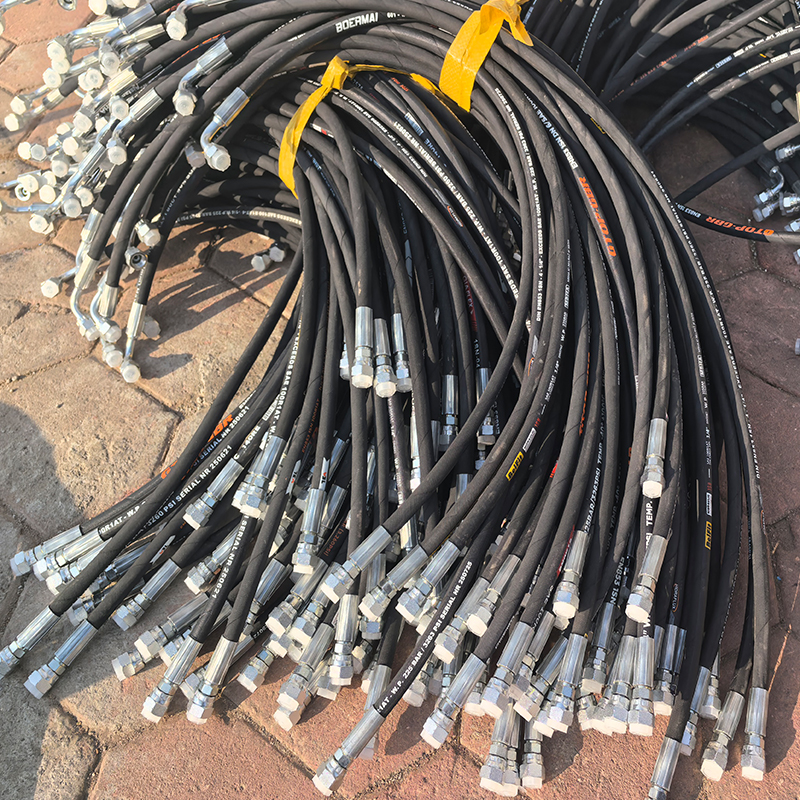 How to Create a Proactive Spiral Hydraulic Hose Replacement Plan That Prevents Downtime?
 Is Your Hydraulic System Overstressing? 5 Diagnostic Signs You Need to Upgrade to Spiral Hose
 Is Your Hydraulic System Pushing Limits? When to Specify Spiral Hose vs. Braided?
 Is Your Machinery Demanding More? Why Upgrade to a Spiral Hydraulic Hose?