
When it comes to designing and maintaining HVAC (Heating, Ventilation, and Air Conditioning) systems, engineers and technicians are constantly seeking solutions that enhance efficiency, reduce costs, and simplify installation processes. One component that has sparked curiosity in this field is the flexible pipe coupling. Known for its versatility in various piping applications, many wonder whether it can be effectively integrated into HVAC systems. This article explores the potential uses, benefits, and considerations of employing flexible pipe couplings in HVAC setups.

Understanding Flexible Pipe Couplings
Before delving into their application in HVAC systems, it's essential to grasp what flexible pipe couplings are and how they function. These devices are designed to connect two pipes of the same or different diameters, allowing for some degree of movement, flexibility, and misalignment compensation. Unlike rigid couplings, which require precise alignment and are less forgiving of pipe movement, flexible couplings can absorb vibrations, accommodate thermal expansion, and simplify installation by easing the alignment process.
The Role of Piping in HVAC Systems
HVAC systems rely heavily on an intricate network of pipes to transport heated or cooled air, water, or refrigerant throughout a building. These pipes must withstand varying temperatures, pressures, and potential vibrations from equipment like compressors, fans, and pumps. The integrity of these connections is paramount to ensure system efficiency, prevent leaks, and minimize maintenance needs. Traditionally, rigid couplings and flanges have been the go-to choices for joining pipes in HVAC applications. However, the limitations of these methods, particularly in terms of flexibility and ease of installation, have led to the exploration of alternatives like flexible pipe couplings.
Advantages of Using Flexible Pipe Couplings in HVAC
1. Enhanced Flexibility and Misalignment Tolerance
One of the primary benefits of using flexible pipe couplings in HVAC systems is their ability to accommodate misalignment between connected pipes. This is particularly useful in retrofit projects or installations where achieving perfect alignment is challenging due to structural constraints or existing piping layouts. Flexible couplings can bridge small gaps and angular misalignments, reducing the need for extensive modifications and ensuring a secure connection.
2. Vibration Dampening and Noise Reduction
HVAC systems generate vibrations from various components, which can transmit through rigid piping and cause noise pollution or even structural damage over time. Flexible pipe couplings act as vibration isolators, absorbing and dissipating these vibrations before they can propagate through the system. This not only improves the comfort levels within the building by reducing noise but also extends the lifespan of the piping and connected equipment by minimizing stress and wear.
3. Thermal Expansion Compensation
Temperature fluctuations in HVAC systems, especially those involving hot water or steam, can cause pipes to expand and contract. Rigid couplings can struggle to accommodate these movements, leading to leaks or pipe damage. Flexible pipe couplings, on the other hand, can stretch and compress slightly, providing a buffer zone that compensates for thermal expansion and contraction. This helps maintain system integrity and prevents costly repairs due to thermal stress.
4. Simplified Installation and Maintenance
Installing rigid couplings often requires precise measurements, cutting, and threading of pipes, which can be time-consuming and labor-intensive. Flexible pipe couplings simplify this process by allowing for quicker connections without the need for extensive pipe preparation. Additionally, during maintenance or repairs, flexible couplings can be easily disconnected and reconnected, facilitating faster turnaround times and minimizing downtime.
Considerations Before Implementation
While the benefits of flexible pipe couplings in HVAC systems are compelling, there are several factors to consider before making the switch:
1. Material Compatibility
Ensure that the material of the flexible coupling is compatible with the fluids being transported through the HVAC system. Some couplings may be better suited for water-based systems, while others are designed for refrigerants or chemicals. Choosing the wrong material can lead to corrosion, leaks, or system failure.
2. Pressure and Temperature Ratings
Check the pressure and temperature ratings of the flexible coupling to ensure they meet or exceed the requirements of your HVAC system. Operating outside these limits can compromise the coupling's integrity and pose safety risks.
3. Size and Configuration
Select a coupling size and configuration that matches your piping system. Consider factors such as pipe diameter, wall thickness, and the degree of flexibility required. Proper sizing is crucial for optimal performance and longevity.
4. Regulatory Compliance
Verify that the flexible pipe couplings comply with local building codes and industry standards. This ensures that your HVAC system meets safety and efficiency requirements and avoids potential legal issues.
Real-World Applications and Success Stories
Many HVAC professionals have already embraced flexible pipe couplings in their projects, reporting positive outcomes. For instance, in a large commercial building renovation, the use of flexible couplings allowed for faster installation of new piping without the need for extensive structural modifications. The system has since operated smoothly, with reduced noise levels and fewer maintenance issues compared to previous setups using rigid couplings.
Conclusion
Flexible pipe couplings offer a compelling alternative to traditional rigid couplings in HVAC systems, providing enhanced flexibility, vibration dampening, thermal expansion compensation, and simplified installation and maintenance. However, careful consideration of material compatibility, pressure and temperature ratings, size and configuration, and regulatory compliance is essential before implementation. As HVAC technology continues to evolve, flexible pipe couplings are poised to play an increasingly important role in optimizing system performance and efficiency. By weighing the benefits against the considerations, HVAC professionals can make informed decisions about incorporating these versatile components into their designs.
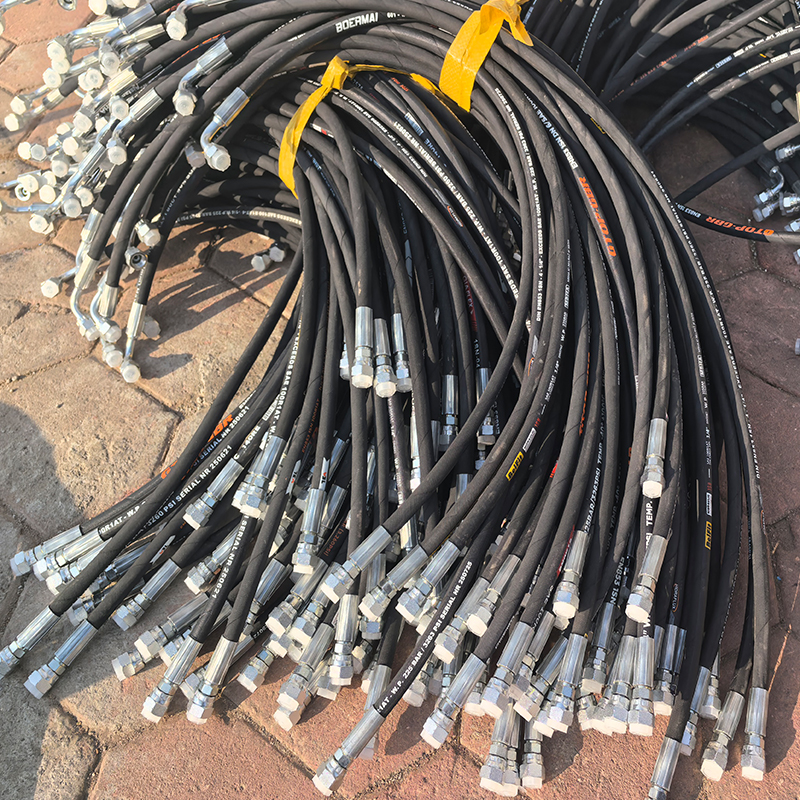 How to Create a Proactive Spiral Hydraulic Hose Replacement Plan That Prevents Downtime?
 Is Your Hydraulic System Overstressing? 5 Diagnostic Signs You Need to Upgrade to Spiral Hose
 Is Your Hydraulic System Pushing Limits? When to Specify Spiral Hose vs. Braided?
 Is Your Machinery Demanding More? Why Upgrade to a Spiral Hydraulic Hose?