
When it comes to maintaining vehicles or heavy machinery, the hub oil seal might not be the first component that comes to mind. Yet, this small but critical part plays a vital role in preventing lubricant leaks, protecting bearings, and ensuring smooth operation. For Americans who rely on their vehicles for daily commutes, work, or recreation, choosing a reliable hub oil seal is essential to avoid costly repairs and downtime. But with countless options flooding the market, how can consumers identify trustworthy brands? This guide explores the qualities of dependable hub oil seals and highlights factors to consider when making a purchase, all tailored to the needs of American audiences.

The Role of Hub Oil Seals in Vehicle Performance
Hub oil seals, also known as wheel seals, are designed to create a barrier between moving parts and external contaminants. Positioned around the spindle or axle, they prevent grease from escaping and keep dirt, water, and debris from infiltrating the hub assembly. A failing seal can lead to premature bearing wear, corrosion, or even wheel detachment—a safety hazard no driver wants to risk.
In the U.S., where road conditions vary from icy highways to dusty rural trails, durability is non-negotiable. Reliable seals must withstand extreme temperatures, vibrations, and exposure to salt or gravel. This is why consumers should prioritize brands that emphasize rigorous testing and material quality.
Key Traits of High-Quality Hub Oil Seals
Not all hub oil seals are created equal. The most dependable options share several common features:
Durable Materials: Premium seals often use nitrile rubber, silicone, or fluorocarbon compounds, which resist degradation from heat, chemicals, and abrasion.
Precision Engineering: A well-designed seal fits snugly without gaps, ensuring a leak-proof seal even under high pressure.
Corrosion Resistance: Stainless steel or coated springs help prevent rust, extending the seal’s lifespan in humid or salty environments.
Ease of Installation: Brands that prioritize user-friendly designs reduce the risk of improper installation, a common cause of premature failure.
American consumers should look for seals that meet or exceed industry standards, such as those set by the Society of Automotive Engineers (SAE). Certifications like ISO 9001 also indicate a commitment to quality control.
How to Evaluate Brand Reputation
In an era of online reviews and social media, gauging a brand’s reliability has never been easier—or more overwhelming. Here’s how to cut through the noise:
Check Independent Reviews: Websites like Consumer Reports or automotive forums provide unbiased feedback from mechanics and everyday users.
Look for Longevity: Brands with decades of experience in the industry often have refined their products through trial and error.
Warranty Policies: A generous warranty suggests confidence in a product’s durability. Be wary of brands that offer no recourse for defects.
Mechanic Recommendations: Local repair shops can offer insights based on hands-on experience with different seal brands.
For example, a brand frequently mentioned in positive reviews for its “long-lasting performance in heavy-duty trucks” might be worth considering for off-road enthusiasts.
The Importance of Compatibility
Even the highest-quality seal is useless if it doesn’t fit your vehicle. Compatibility depends on factors like axle type, hub size, and bearing design. To avoid mistakes:
Consult your vehicle’s owner manual or a trusted mechanic for specifications.
Use online tools provided by reputable retailers to filter options by make, model, and year.
Beware of “universal” seals, which may compromise fitment for the sake of convenience.
In the U.S., where pickup trucks and SUVs dominate the roads, brands that offer a wide range of sizes for popular models tend to earn customer loyalty.
Environmental and Ethical Considerations
Modern consumers increasingly value sustainability, even in automotive parts. Leading brands are addressing this by:
Using recyclable packaging materials.
Reducing manufacturing waste through lean production processes.
Offering take-back programs for old seals.
Additionally, ethical labor practices and transparent supply chains resonate with socially conscious buyers. Brands that publish sustainability reports or partner with eco-certified suppliers often stand out in competitive markets.
Cost vs. Value: Striking the Right Balance
While budget-friendly options may seem appealing, cutting corners on hub oil seals can backfire. A cheap seal that fails after a few thousand miles could cost more in repairs and replacement labor than a slightly pricier, high-quality alternative.
To maximize value:
Compare prices across retailers but prioritize brands with proven track records.
Consider bulk purchases if maintaining multiple vehicles (e.g., fleet owners).
Factor in the cost of potential downtime—a failed seal on a commercial truck, for instance, could disrupt delivery schedules.
Where to Buy Hub Oil Seals
American consumers have several reliable purchasing avenues:
Auto Parts Stores: Chains like AutoZone or NAPA offer in-person expertise and immediate availability.
Online Retailers: Websites specializing in automotive parts often provide competitive pricing and user reviews.
Specialty Suppliers: For vintage or imported vehicles, niche retailers may carry rare seal sizes.
Always verify the seller’s return policy in case of compatibility issues or defects.
Conclusion: Prioritize Reliability Over Hype
Choosing a hub oil seal isn’t glamorous, but it’s a decision that impacts safety, performance, and wallet. By focusing on material quality, brand reputation, compatibility, and long-term value, American consumers can confidently select seals that stand the test of time—and terrain. Whether navigating city streets or rugged backcountry, a reliable hub oil seal ensures the journey stays smooth.
Remember: When in doubt, consult a professional. A few minutes of expert advice can save hours of frustration—and hundreds of dollars in repairs—down the road.
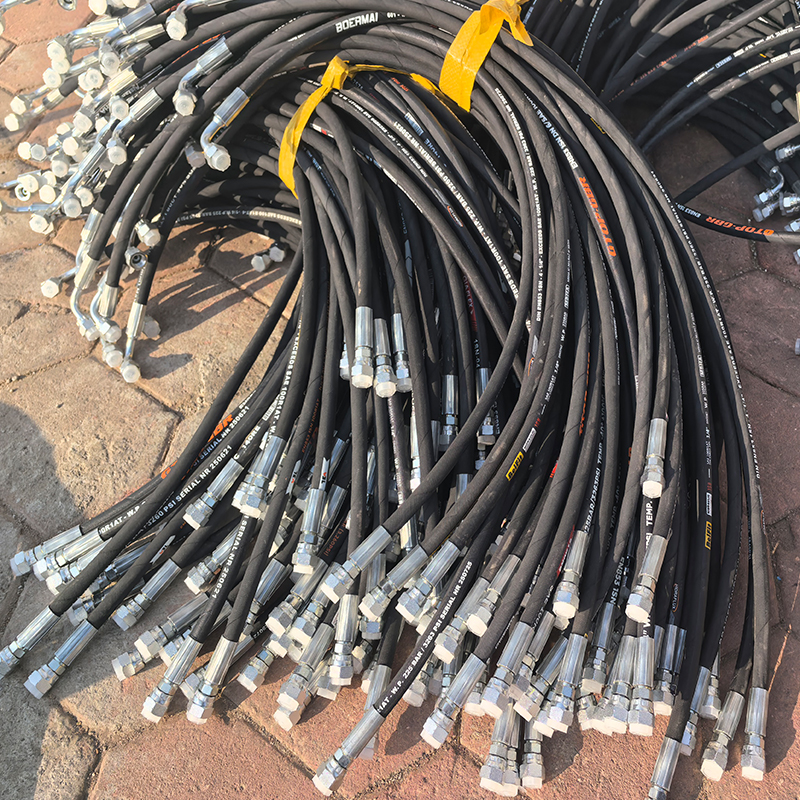 How to Create a Proactive Spiral Hydraulic Hose Replacement Plan That Prevents Downtime?
 Is Your Hydraulic System Overstressing? 5 Diagnostic Signs You Need to Upgrade to Spiral Hose
 Is Your Hydraulic System Pushing Limits? When to Specify Spiral Hose vs. Braided?
 Is Your Machinery Demanding More? Why Upgrade to a Spiral Hydraulic Hose?