
Replacing a hub oil seal is a critical maintenance task that prevents lubricant leaks and protects bearings from dirt and debris. While specialized tools exist for this job, many home mechanics and DIY enthusiasts may not have access to them. The good news? With patience and creativity, it’s possible to install a hub oil seal correctly using everyday items. This guide breaks down the process into manageable steps, ensuring a secure fit without compromising the seal’s integrity.

Understanding the Hub Oil Seal’s Role
Before diving into installation, it’s essential to grasp why this component matters. A hub oil seal sits between rotating parts (like a driveshaft or axle) and a stationary housing (such as a wheel hub). Its primary job is to retain grease inside the bearing assembly while keeping out contaminants like water, mud, and road salt. A worn or damaged seal can lead to premature bearing failure, noisy operation, or even unsafe driving conditions. Recognizing the signs of a failing seal—such as grease stains near the hub or grinding noises—prompts timely replacement.
Gathering Materials and Improvising Tools
Specialized seal installers are designed to apply even pressure without distorting the seal. In their absence, assemble alternatives that mimic this function. Start with a clean workspace and the following items:
New hub oil seal: Ensure it matches the original specifications in size and material.
Socket or pipe: Find one that fits snugly inside the seal’s outer diameter to act as a driver.
Flat-headed tool: A large screwdriver, pry bar, or sturdy putty knife can help position the seal.
Hammer or mallet: Use a rubber mallet if available to avoid damaging components.
Grease or lubricant: Helps the seal slide into place smoothly.
Rags and gloves: For cleanliness and safety.
Test-fit the socket or pipe over the seal’s inner edge. It should press evenly around the circumference without hanging up. If the socket is too small, wrap a layer of duct tape around it to increase diameter slightly.
Preparing the Hub and Seal
Proper preparation prevents misalignment and leaks. Begin by cleaning the hub thoroughly:
Remove any debris, old grease, or corrosion from the seal bore using a wire brush or rag.
Inspect the bore for scratches or unevenness. Light sanding may be needed if the surface is rough.
Wipe the area with a solvent to remove residual oil or dirt.
Next, prepare the seal:
Apply a thin layer of grease to the seal’s lip and outer casing. This reduces friction during installation and aids in initial seating.
Avoid touching the sealing surface with bare hands, as oils from your skin can degrade rubber over time.
Positioning the Seal Correctly
Alignment is everything. Even a slight tilt can cause the seal to leak or fail prematurely. Follow these steps:
Place the seal near the hub bore, ensuring the lip faces inward (toward the bearing). Most seals have a visible directional arrow or label indicating correct orientation.
Use the flat-headed tool to gently press the seal’s outer edge into the bore, starting at the 12 o’clock position. Work around the circumference in small increments to avoid bending the casing.
Once the seal is partially seated, check alignment by looking straight down the bore. The seal should sit perpendicular to the axle shaft.
For deeper hubs, combine this method with the socket driver. Slide the socket over the seal’s inner edge and tap lightly with the mallet, rotating the socket 90 degrees after each tap to distribute pressure evenly.
Driving the Seal Home Without Damage
The final step requires controlled force to seat the seal fully. Here’s how to improvise effectively:
Position the socket or pipe over the seal’s inner diameter, ensuring it contacts the metal casing (not the rubber lip).
Hold the tool steady and tap it gently with the mallet. Aim for consistent, light blows rather than heavy strikes, which could deform the seal.
Pause frequently to check progress. The seal should sit flush with the hub surface, with no gaps or protrusions.
If the seal resists, reapply lubricant and verify alignment. Forcing it can tear the rubber or crack the casing, rendering it useless.
Verifying the Installation
After installation, perform a quick inspection to confirm success:
Run a finger around the seal’s edge to feel for unevenness or gaps.
Check for grease oozing from the sides, which may indicate improper seating.
Reinstall the axle or driveshaft temporarily and rotate it by hand to ensure smooth movement without binding.
While a visual inspection under pressure (e.g., during a test drive) is ideal, these checks help catch obvious issues before reassembling the entire hub.
When to Seek Professional Help
While this guide suits many scenarios, some situations warrant expert intervention:
Tight tolerances: If the hub bore is oversized or irregular, a custom seal or machining may be needed.
Limited workspace: Cramped quarters under vehicles increase the risk of misalignment.
Lack of confidence: If the process feels overwhelming, consulting a mechanic prevents costly mistakes.
Remember, a properly installed seal saves money in the long run by extending bearing life and avoiding leaks.
Conclusion
Installing a hub oil seal without specialized tools is achievable with creativity and attention to detail. By understanding the seal’s purpose, preparing surfaces meticulously, and using improvised drivers carefully, home mechanics can complete this task effectively. Always prioritize alignment and gentle force to avoid damage, and don’t hesitate to seek help if challenges arise. With practice, this maintenance procedure becomes a straightforward addition to any DIY automotive toolkit, ensuring smooth, leak-free operation for miles to come.
 Looking for Dock Bumpers that Last? How Do Steel-Cornered Pads Cut Your Repair Costs?
 Need Maximum Durability? Why Choose a Rubber Laminated Bumper with Reinforced Steel Corners?
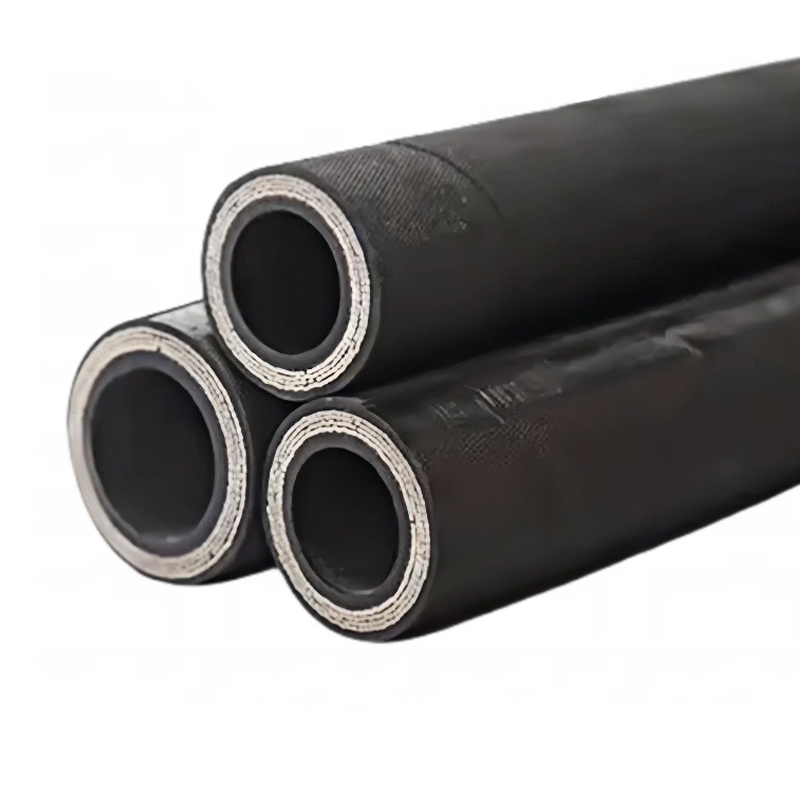 What's the True ROI of Upgrading to Spiral Hydraulic Hose? A Cost-Benefit Analysis
 Spiral Hydraulic Hose Case Studies: Real-World Reliability in Mining, Steel & Offshore