
In the world of construction and industrial operations, the need for reliable and efficient tools to handle heavy - duty tasks is ever - present. One such tool that has been gaining attention is the concrete inflatable airbag, which is essentially a type of rubber airbag designed for specific construction - related applications. The question that often arises is whether these airbags can truly withstand the immense pressure exerted by concrete. Let's delve into this topic to understand the capabilities and strengths of these innovative devices.
Understanding the Basics of Concrete Inflatable Airbags
Concrete inflatable airbags are made from high - quality, durable rubber materials. These materials are carefully selected for their ability to stretch and flex while maintaining their structural integrity. The airbags are designed to be inflated with air or other gases to create a stable and strong form. When used in construction, they are placed in strategic locations to support or separate concrete elements during the pouring and curing process.
The rubber used in these airbags is engineered to have excellent resistance to abrasion, punctures, and chemical degradation. This ensures that the airbags can withstand the harsh conditions often found on construction sites, such as exposure to sharp objects, various chemicals, and extreme weather conditions. Their flexibility allows them to conform to irregular shapes, making them suitable for a wide range of construction projects.
The Pressure Challenges in Concrete Applications
Concrete is an incredibly heavy and dense material. When it is poured, it exerts a significant amount of pressure on any surface or object it comes into contact with. This pressure can vary depending on the thickness and volume of the concrete being poured. For example, a large - scale concrete pour for a foundation or a bridge deck can generate pressures that are difficult for many conventional materials to handle.
In addition to the static pressure during the pouring process, there is also the dynamic pressure caused by the movement of the concrete as it is being placed and leveled. This dynamic pressure can create additional stress on the supporting structures, including any airbags used in the process. Therefore, it is crucial for concrete inflatable airbags to be able to withstand both static and dynamic pressures to ensure the success of the construction project.
How Concrete Inflatable Airbags Handle Pressure
The design of concrete inflatable airbags plays a vital role in their ability to withstand concrete pressure. The airbags are typically reinforced with multiple layers of rubber and sometimes include internal cords or fibers for added strength. These reinforcements help distribute the pressure evenly across the surface of the airbag, preventing any single point from becoming overloaded.
When the airbag is inflated, it creates a cushion of air that acts as a shock absorber. This air cushion helps to reduce the impact of the concrete's pressure on the underlying structures. As the concrete is poured onto the airbag, the air inside compresses slightly, but the rubber material of the airbag resists further compression, maintaining its shape and providing stable support.
Moreover, the shape and size of the airbag can be customized according to the specific requirements of the construction project. This allows for optimal pressure distribution and ensures that the airbag can fit snugly into the designated space, providing maximum support to the concrete element.
Real - World Applications and Success Stories
There are numerous real - world examples where concrete inflatable airbags have proven their ability to withstand concrete pressure. In bridge construction, for instance, these airbags are often used to create voids or formwork for the bridge deck. They are placed between the supporting piers and the concrete deck, allowing for the creation of a smooth and level surface.
During the pouring of the concrete deck, the airbags are subjected to significant pressure. However, due to their robust design and high - quality materials, they are able to maintain their shape and provide consistent support throughout the process. This not only ensures the structural integrity of the bridge but also reduces the need for complex and time - consuming formwork systems.
In addition to bridge construction, concrete inflatable airbags are also used in the construction of buildings, tunnels, and other infrastructure projects. Their versatility and ability to handle high - pressure situations make them an invaluable tool for contractors and engineers looking to streamline the construction process and improve the quality of their work.
Maintenance and Longevity of Concrete Inflatable Airbags
To ensure that concrete inflatable airbags can continue to withstand concrete pressure over time, proper maintenance is essential. After each use, the airbags should be thoroughly cleaned to remove any concrete residue or debris. This helps prevent the build - up of materials that could potentially damage the rubber surface or clog the inflation valves.
Regular inspections should also be carried out to check for any signs of wear and tear, such as cuts, punctures, or weak spots in the rubber. If any damage is detected, it should be repaired immediately using appropriate patching materials. By following these maintenance procedures, concrete inflatable airbags can have a long service life and continue to perform reliably in multiple construction projects.
Conclusion
In conclusion, concrete inflatable airbags, with their high - quality rubber construction and innovative design, are well - equipped to withstand the immense pressure exerted by concrete. Their ability to distribute pressure evenly, act as shock absorbers, and be customized for specific applications makes them an ideal choice for a wide range of construction projects. With proper maintenance, these airbags can provide reliable support for years to come, contributing to the success and efficiency of construction operations across the country. As the construction industry continues to evolve, concrete inflatable airbags are likely to play an increasingly important role in shaping the future of infrastructure development.
 How Much Load Can a Bridge Bearing Pad Actually Carry? Engineering Data for Safe Girder Support
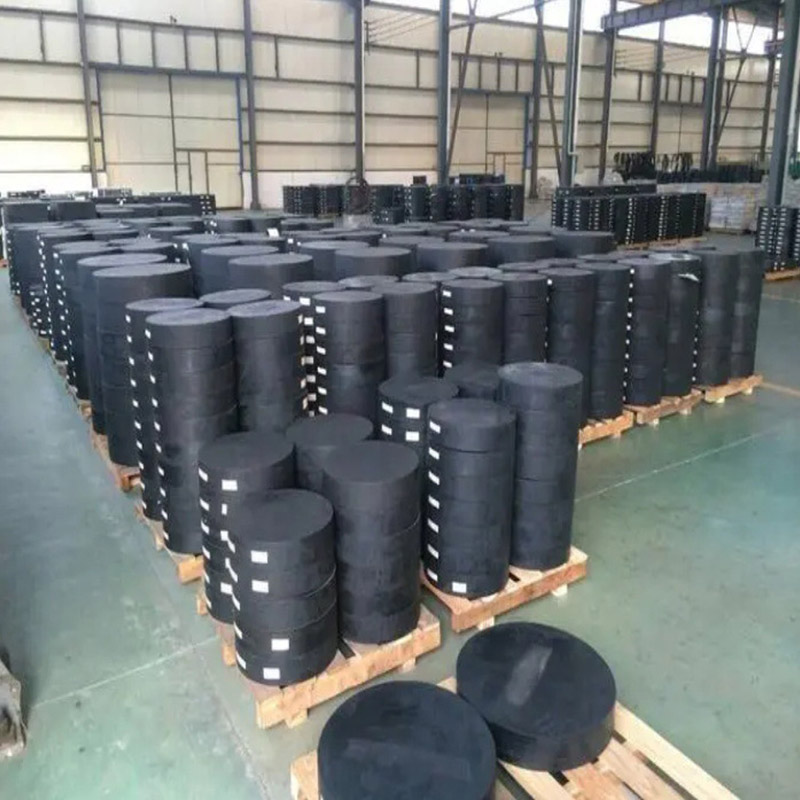 Is Your Bridge Bearing Pad Specified for the Wrong Rubber Grade? Why Elastomeric Bridge Bearing Pad Selection Decides 50-Year Deck Life
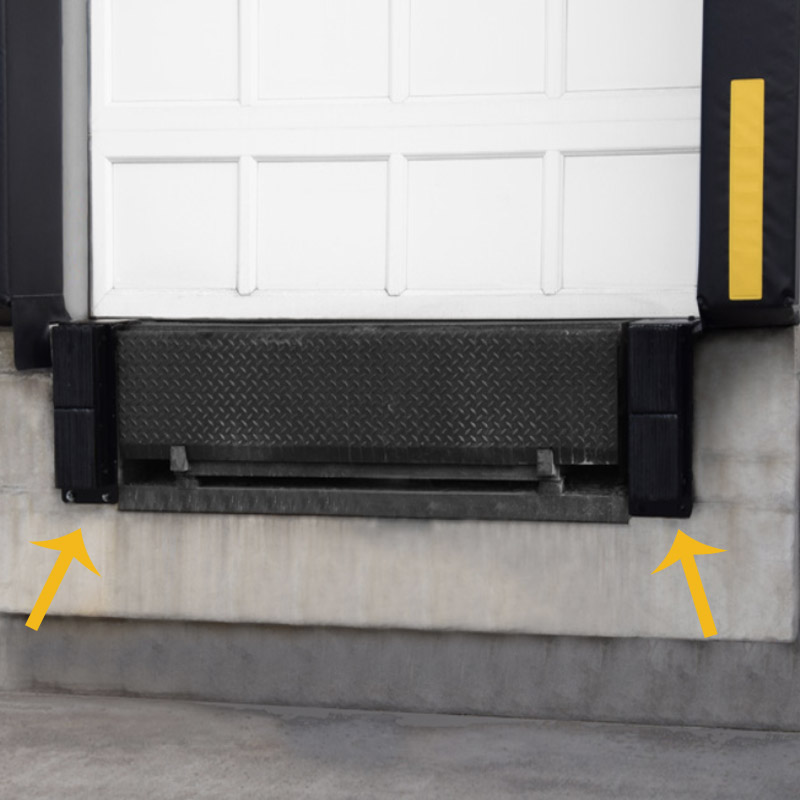 Can a Loading Dock Bumper Survive -30°C Winters and +50°C Summers? Here Is the Extreme-Weather Data
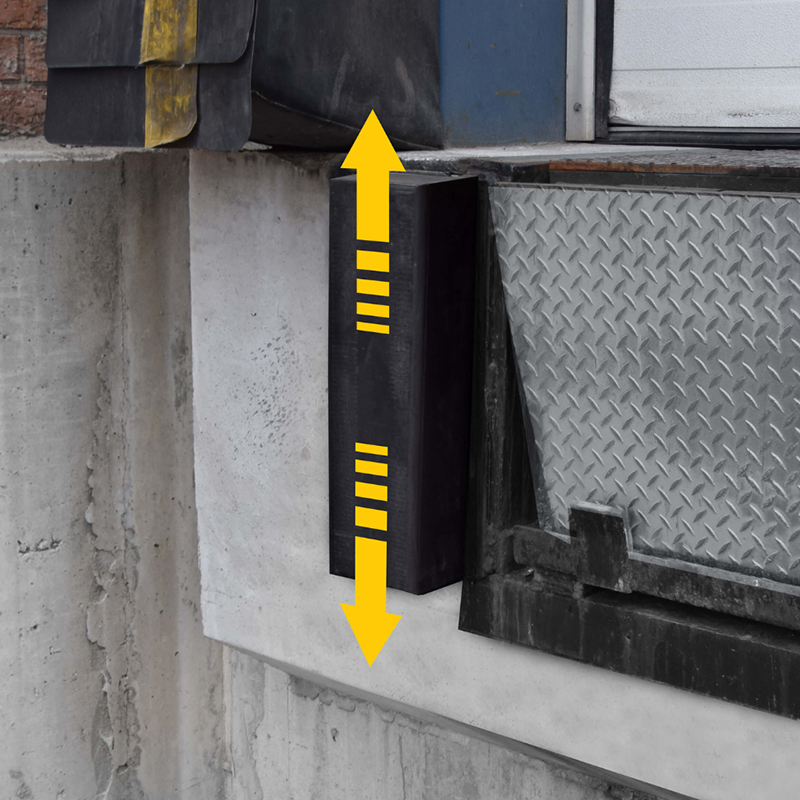 Are Your Dock Bumpers Specified for the Wrong Impact Profile? Why a Loading Dock Bumper with a Steel Face Outperforms in Real Traffic